
A Legacy
in the Making: Sarasota’s Visual Arts History
1945-1965
The Sarasota Artist Colony
Sarasota’s visual arts legacy took root in the early 20th century and flourished in the decades following World War II, when the city earned national recognition as an “Artists Colony.” This website celebrates the pioneering artists who shaped that legacy and honors the formative years of the Sarasota Art Colony.
JOHN RINGLING’S CONTRIBUTIONS
1911-1936
John Ringling played a pivotal role in shaping Sarasota into a cultural destination. As a visionary art collector and philanthropist, he established The John and Mable Ringling Museum of Art, anchoring the city’s identity as a center for the arts. Beyond culture, Ringling invested heavily in Sarasota’s development—helping to expand infrastructure, promote tourism, and elevate the city’s national profile—leaving a lasting legacy that continues to define Sarasota today.
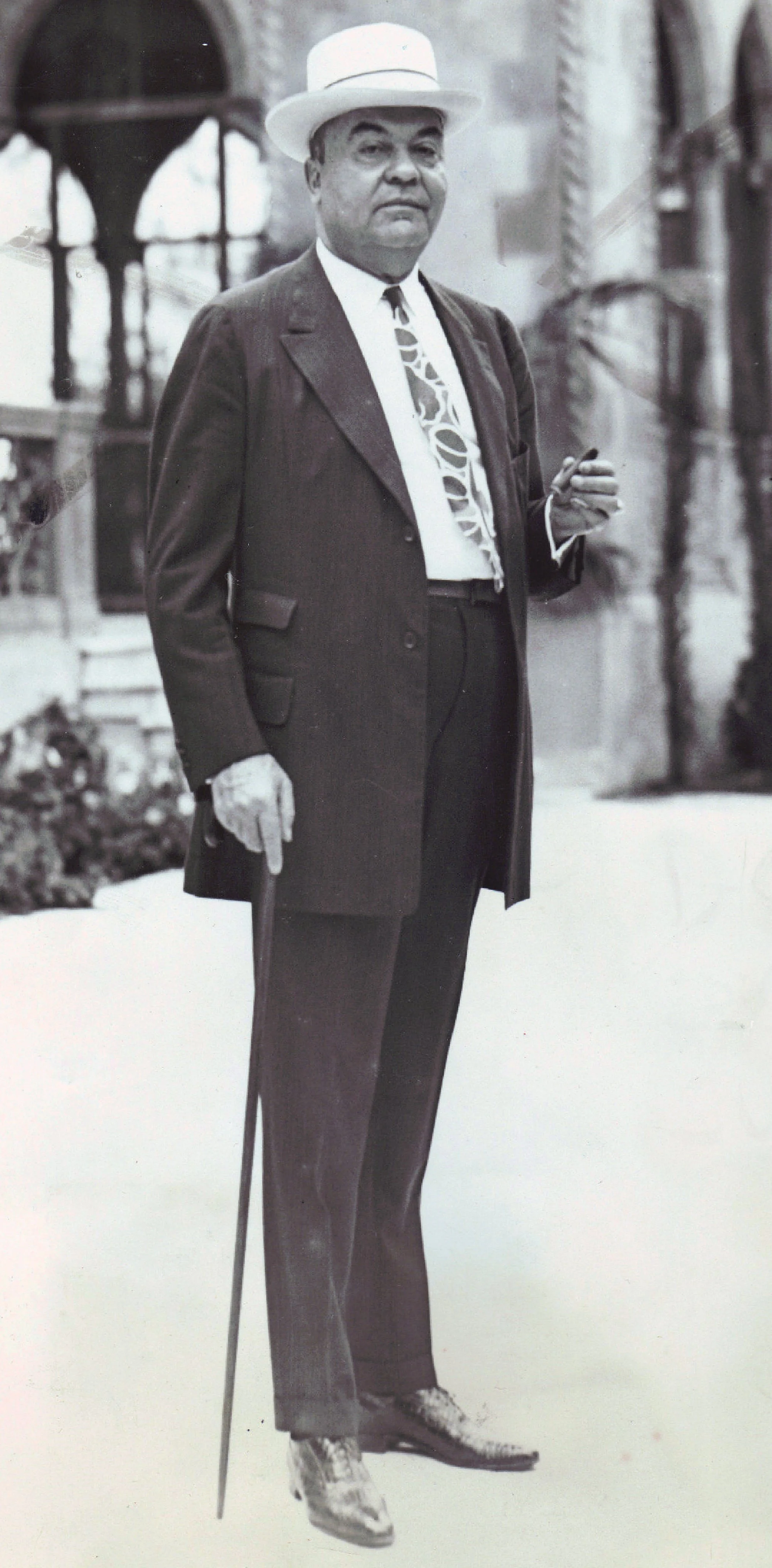
Ringling served as a major contributor to Sarasota’s culture
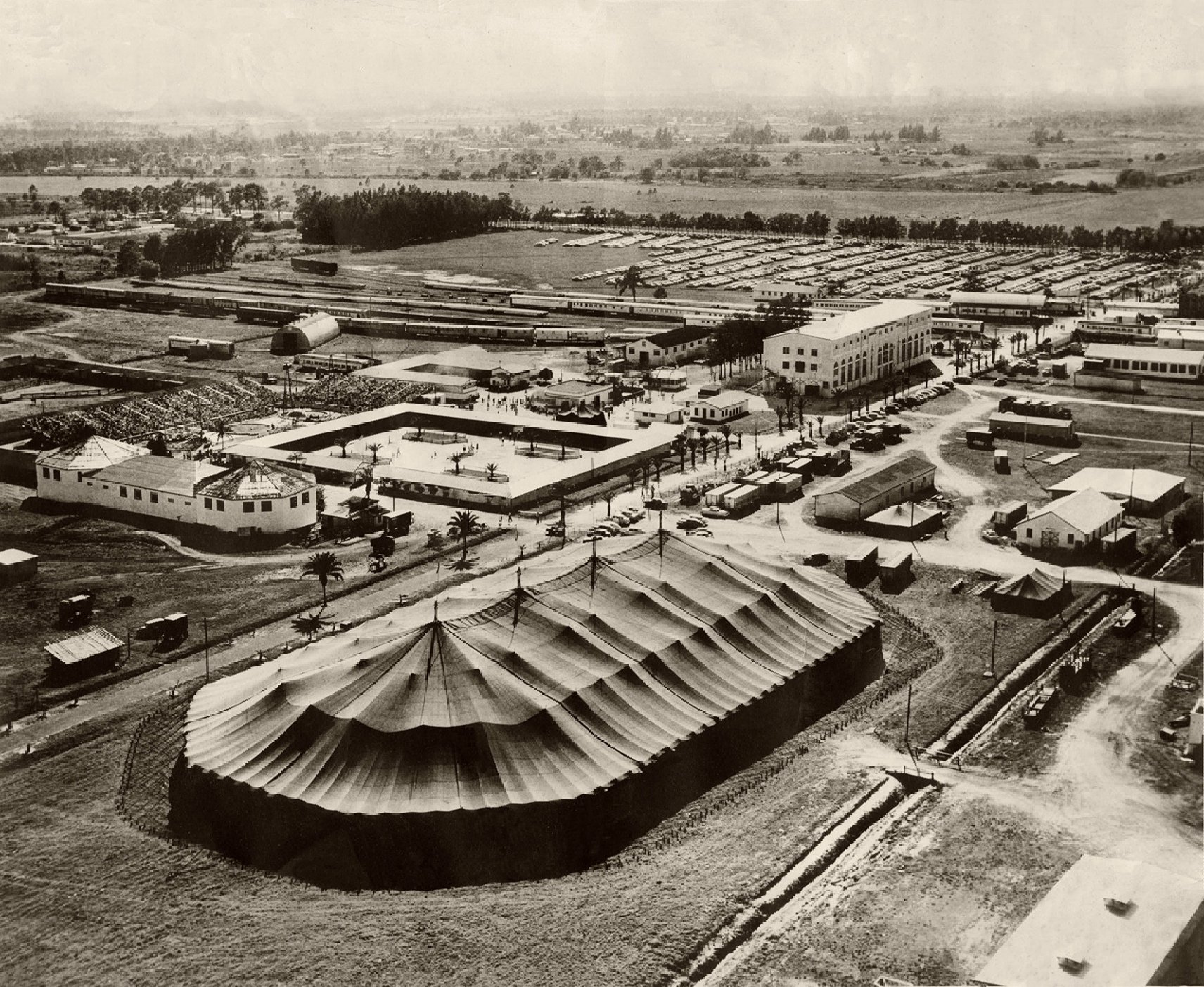
In 1927, Sarasota became the winter headquarters of the Ringling Brothers and Barnum & Bailey Circus, cementing the city’s lasting connection to one of the most famous entertainment institutions in the world.
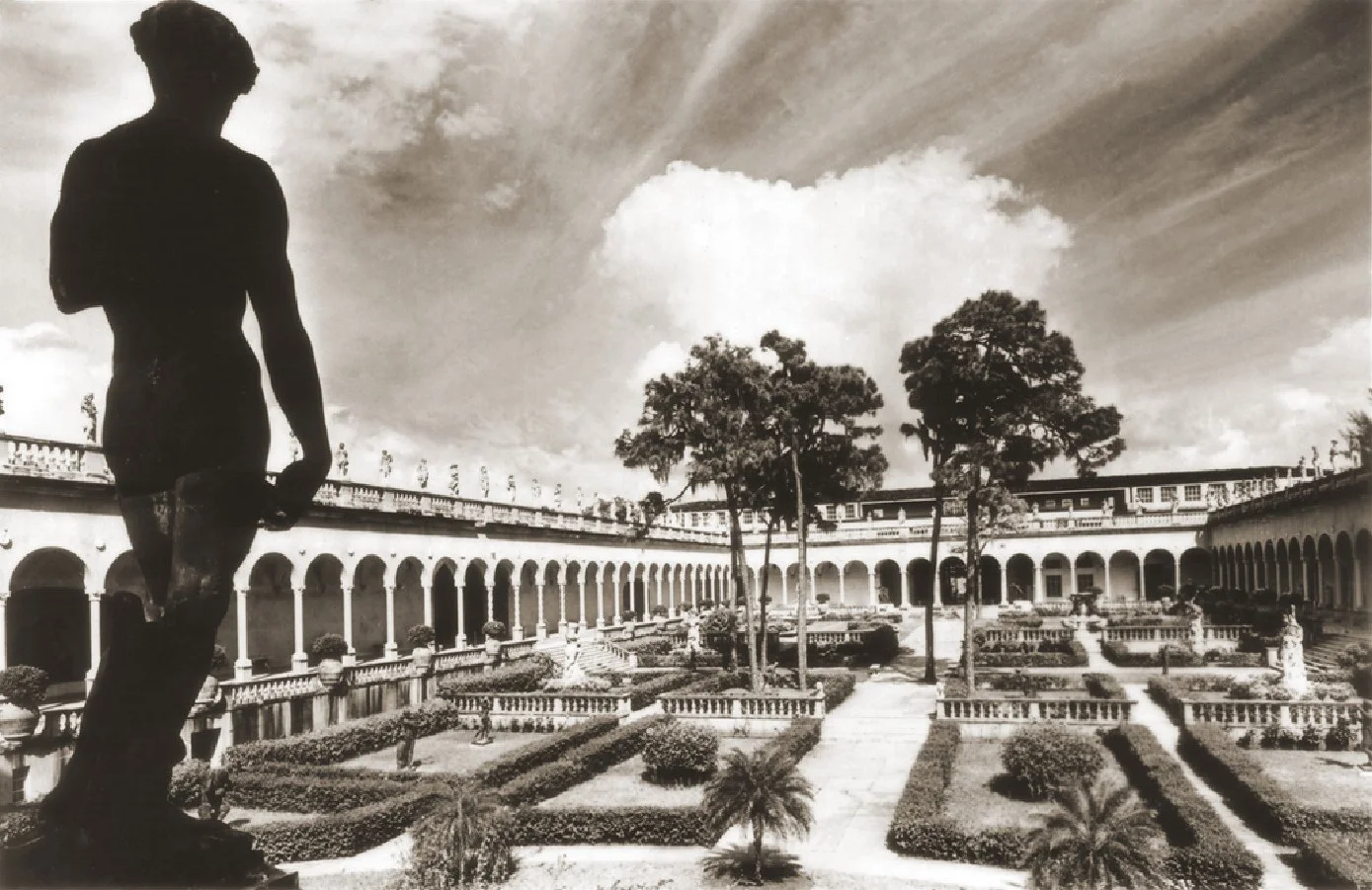
Between 1927 and 1930, John Ringling transformed his Sarasota estate into a cultural landmark, with the completion of Ca’ d’Zan and the opening of the Ringling Museum of Art, shaping the city’s artistic legacy for generations to come.
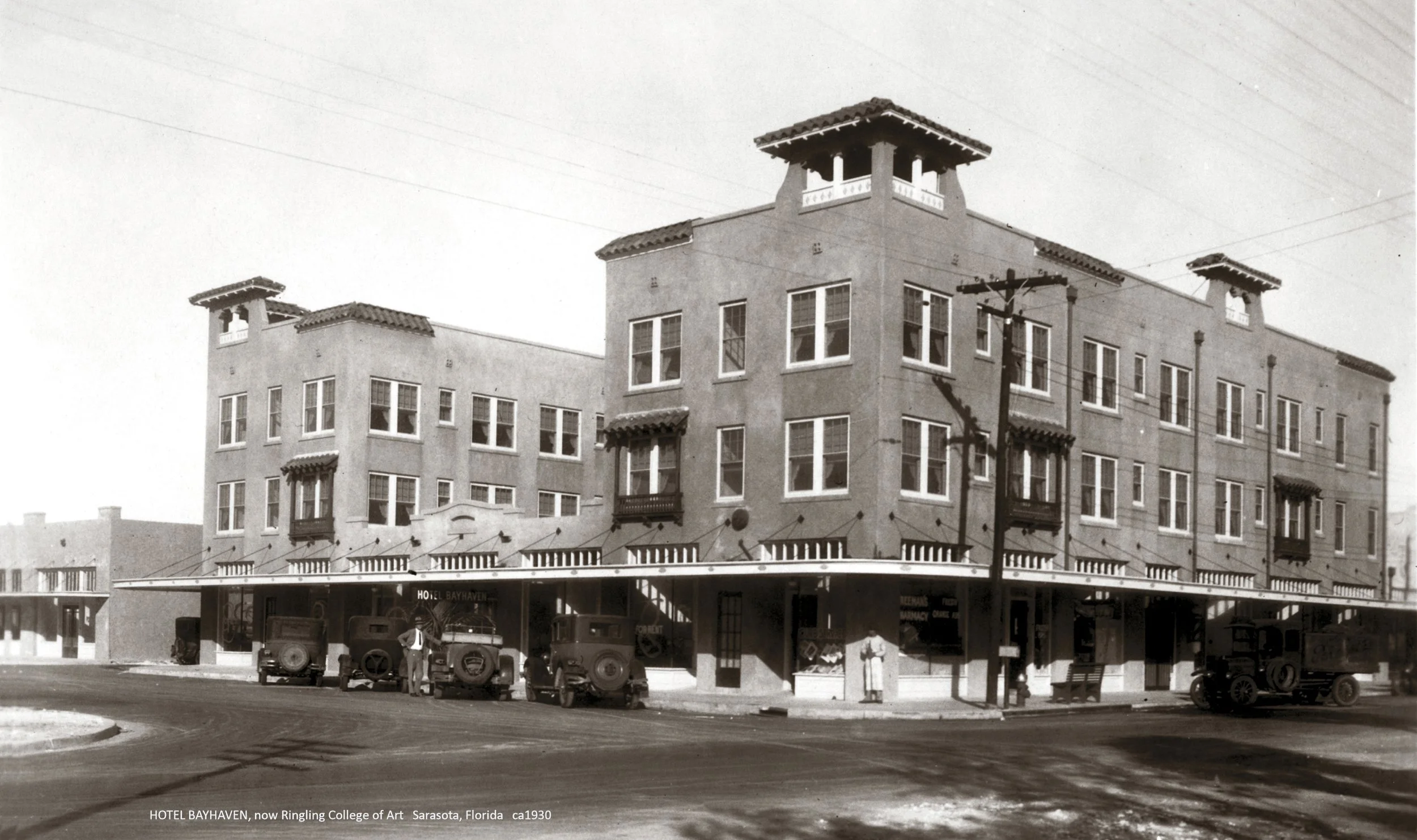
The founding of the Ringling School of Art in 1931 marked a new chapter in Sarasota’s cultural growth, extending John Ringling’s vision from collecting art to cultivating future generations of artists.
The Early ringling school of art Instructors
1931-1945
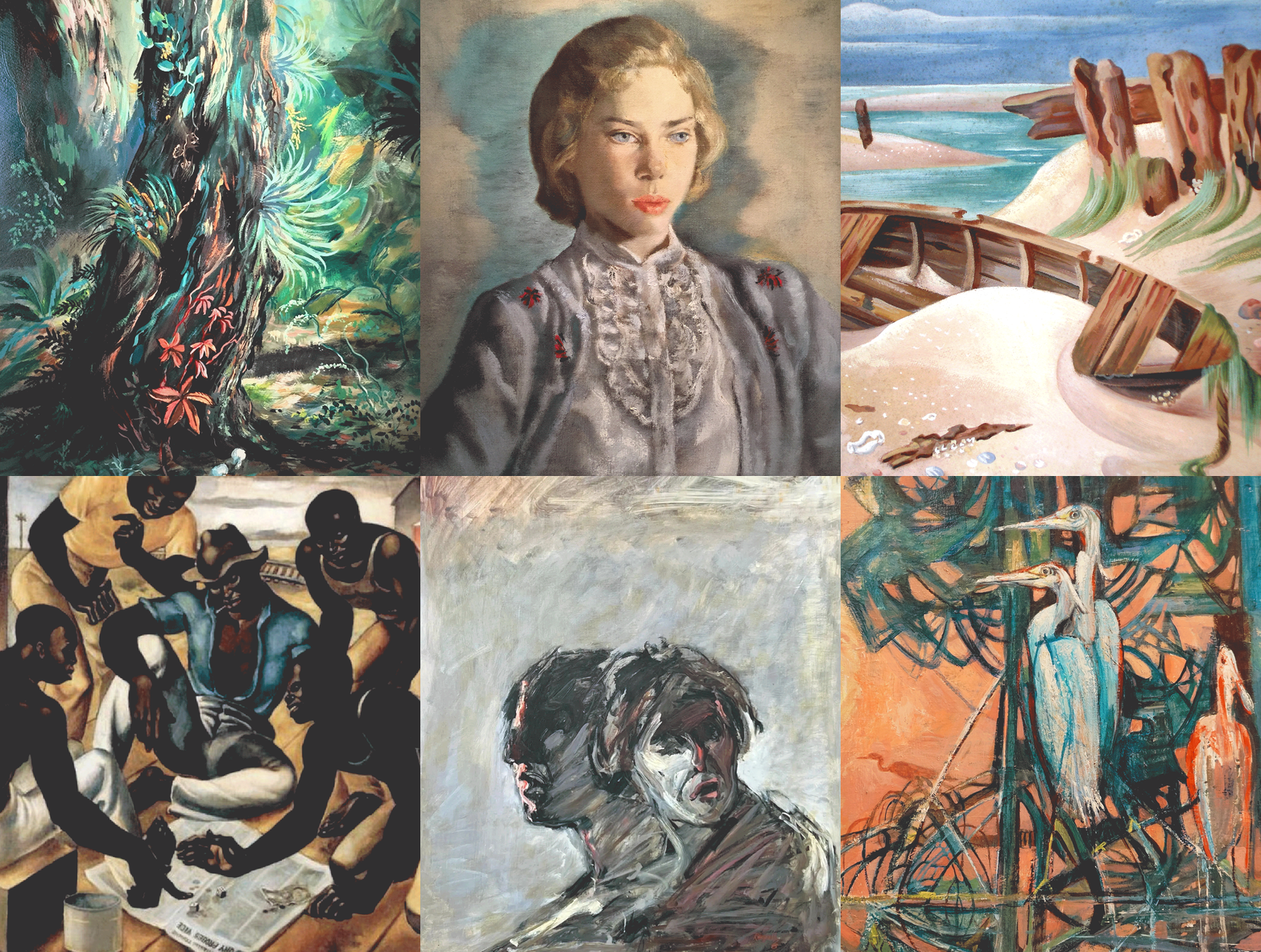
In the years leading up to 1945, the Ringling School of Art was shaped by a distinguished and diverse faculty whose influence helped define its early character. Instructors during this formative period included George Ennis, Hilton Leech, Bern Bullard, Donald Blake, Lucile Blanch, Loran Wilford, Stanley Woodward, Guy Saunders, Christopher Clark, and many others, each contributing to the school’s growing reputation as a serious center for artistic training and innovation.
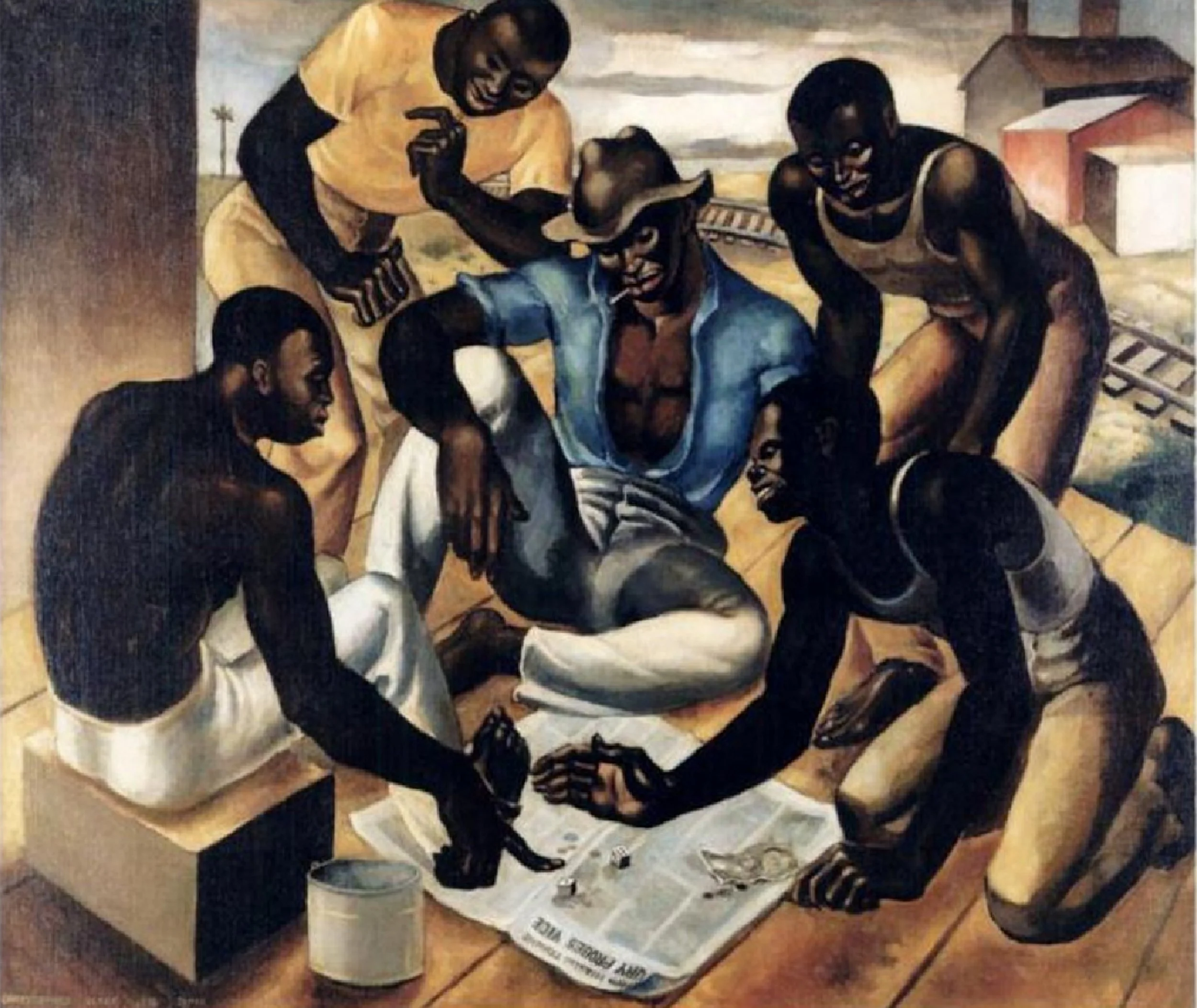
Artwork by Chris Clark
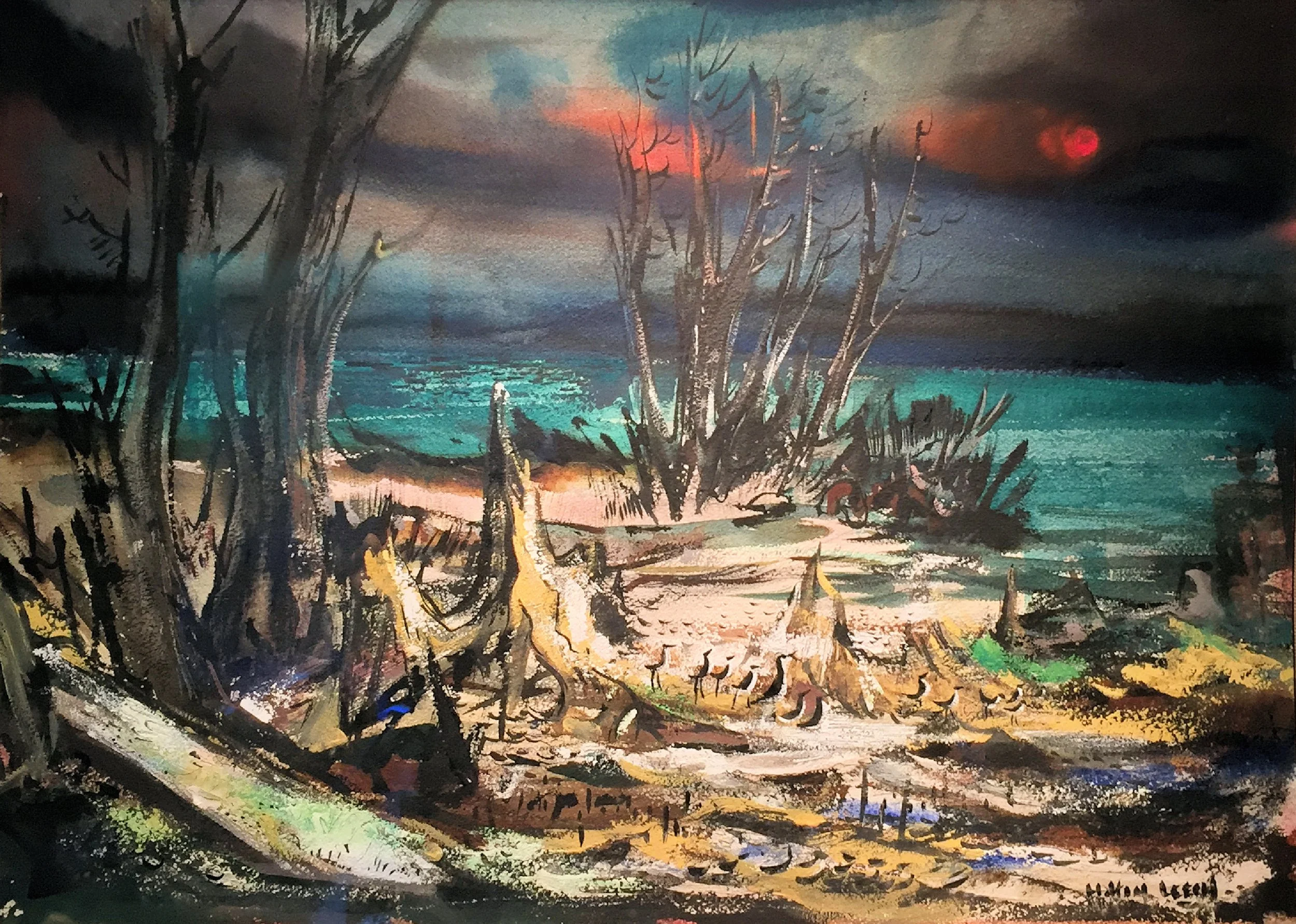
Artwork by Hilton Leech
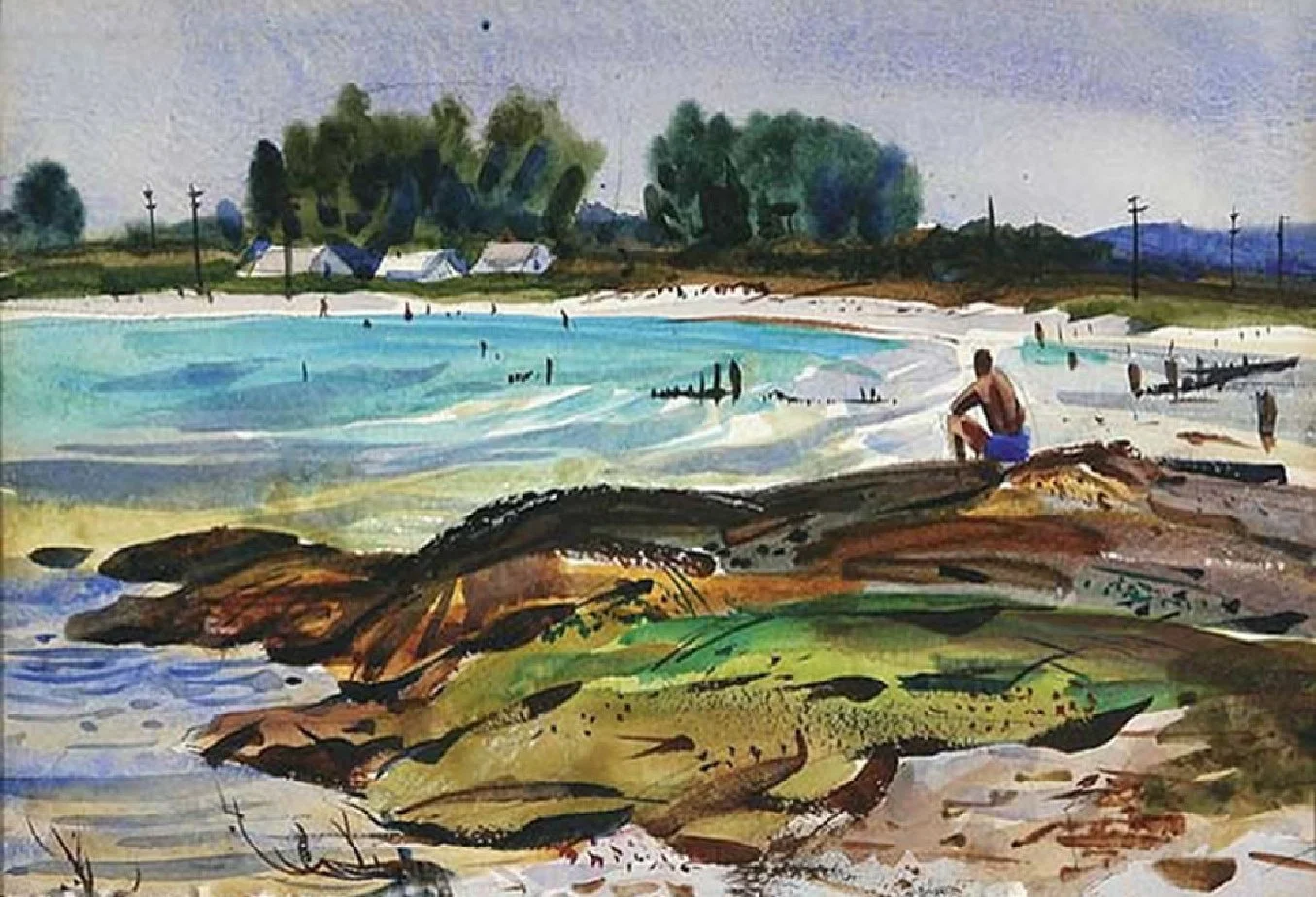
Artwork by Andy Sanders
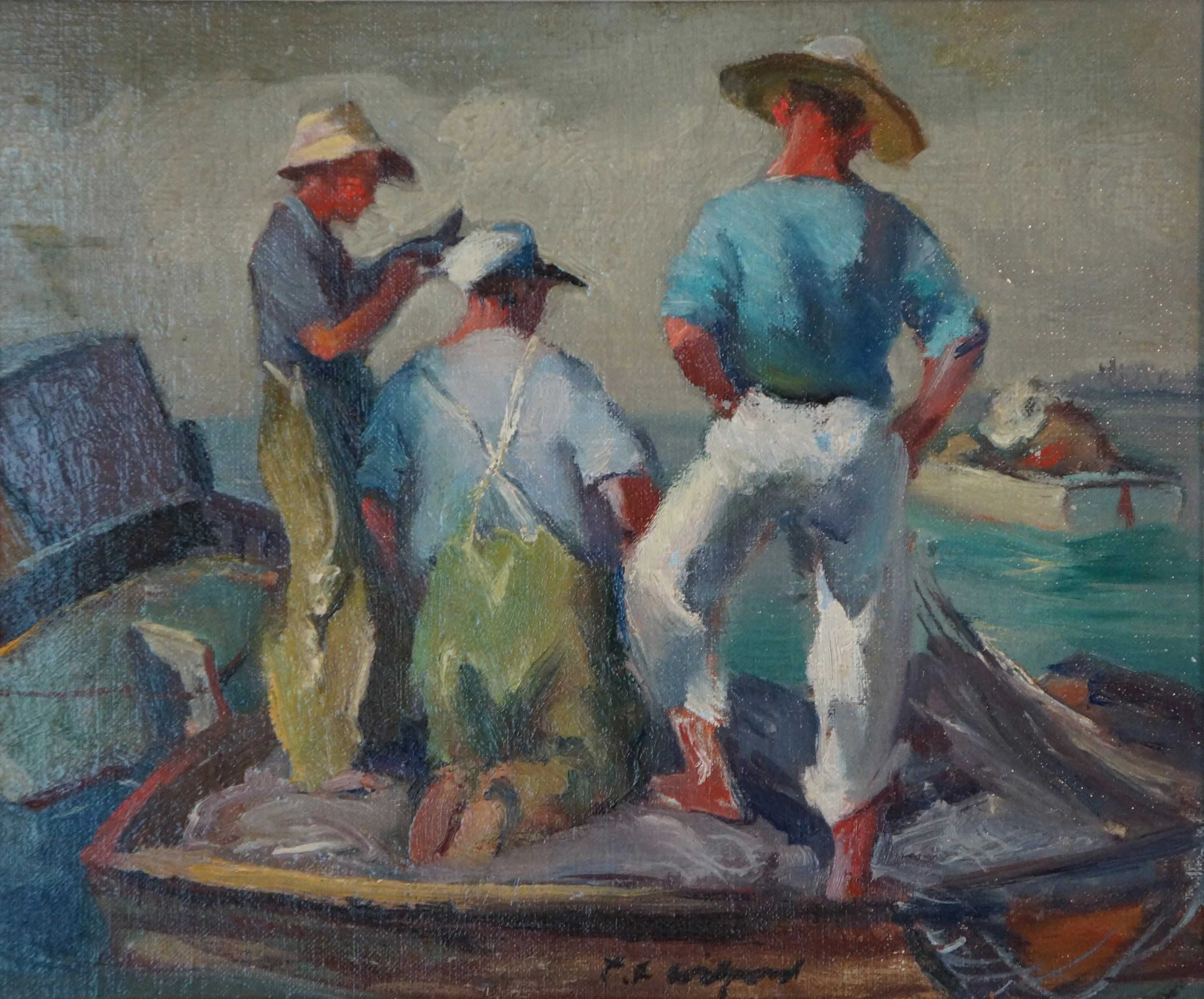
Artwork by Loran Wilford
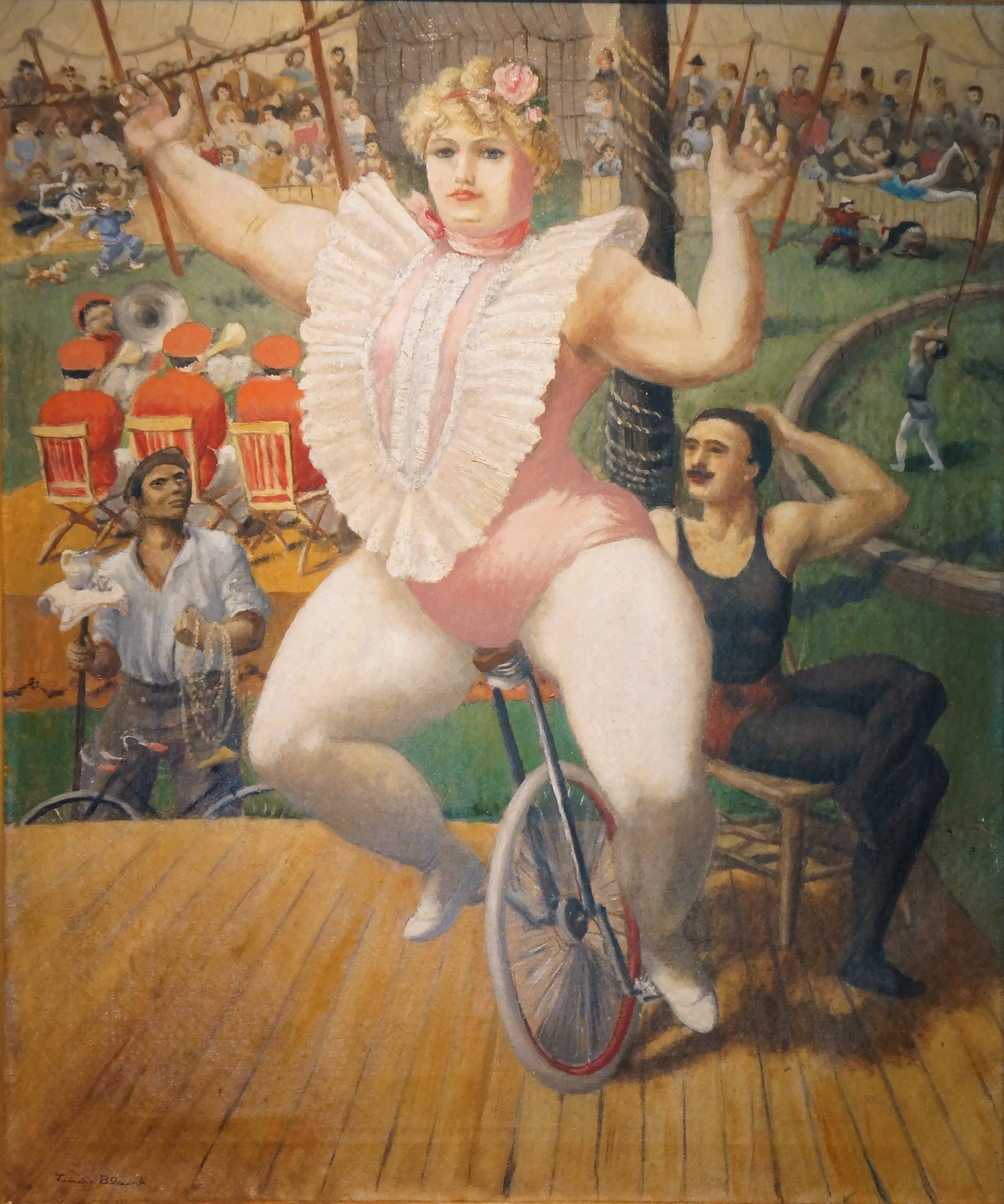
Artwork by Lucile Blanch
1940’s
ARRIVAL OF VETERANS
Sarasota's Ringling School of Art, in the years following the end of WWIl, saw an influx of veterans eager to study art with funding from the GI Bill. These were young men direct from the battlefields of Europe and the Pacific and once introduced to Sarasota many chose to make it their home and thus helped create a community of artists and art lovers that endures to this day.
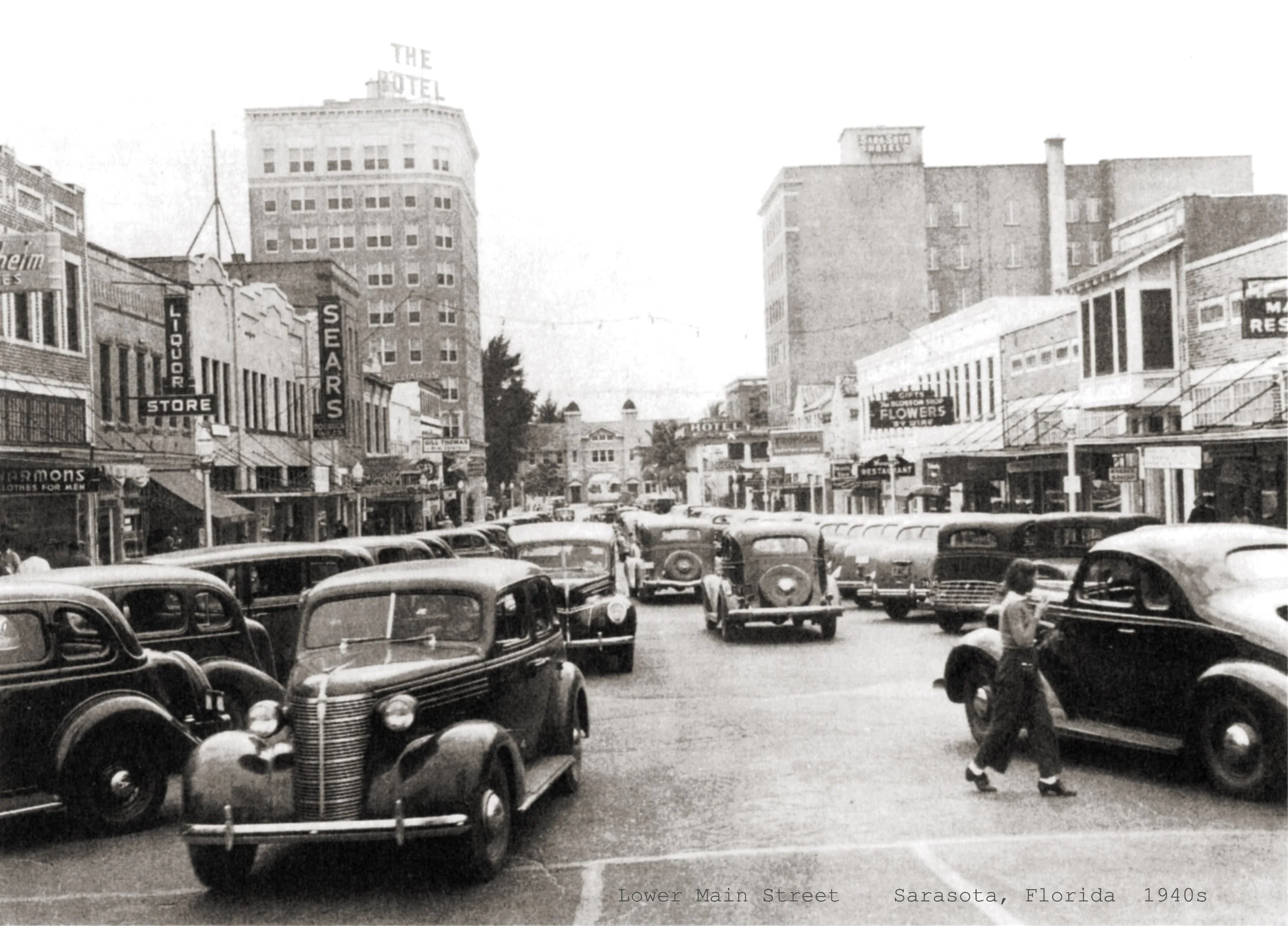
Sarasota’s Main Street in the 1940s
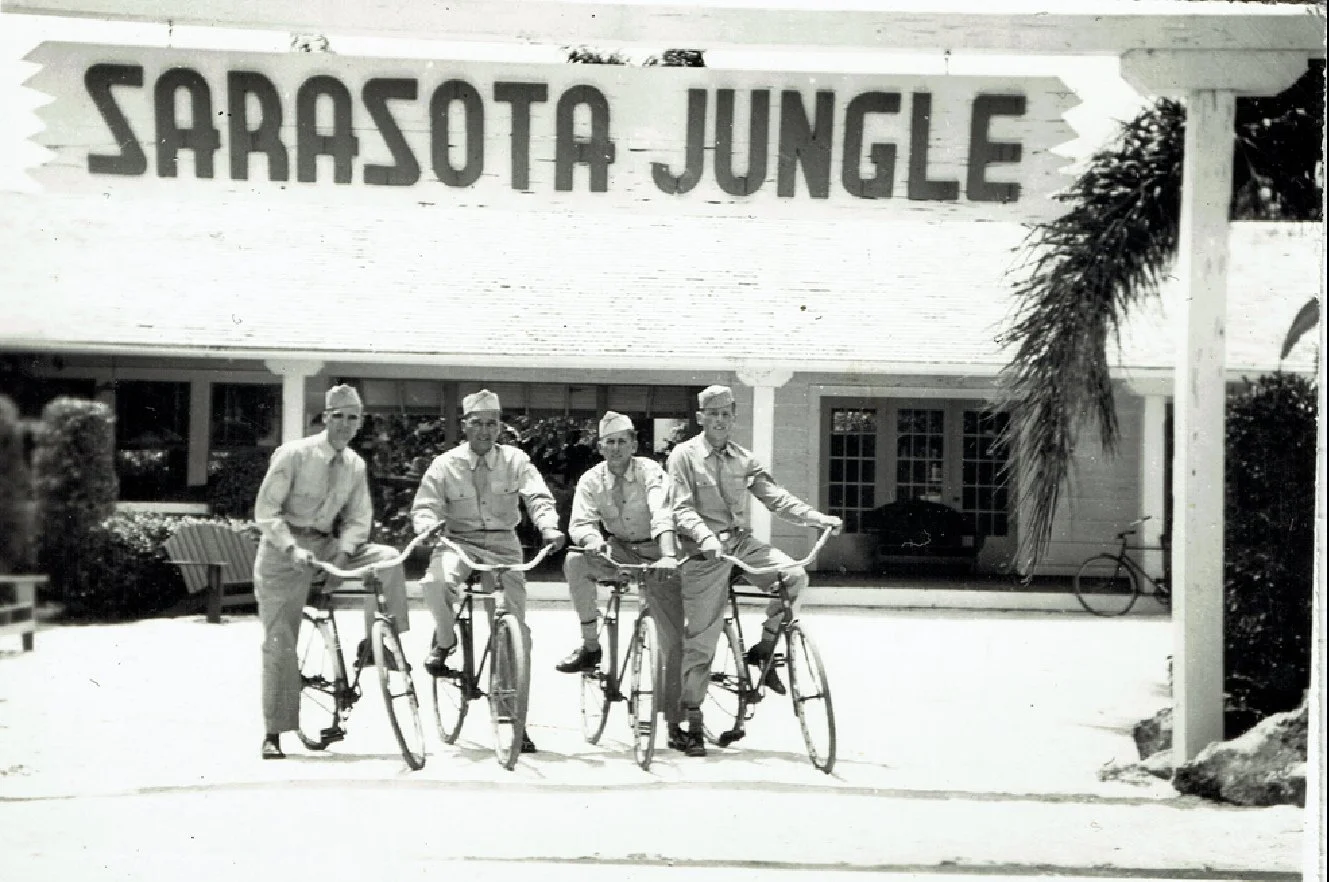
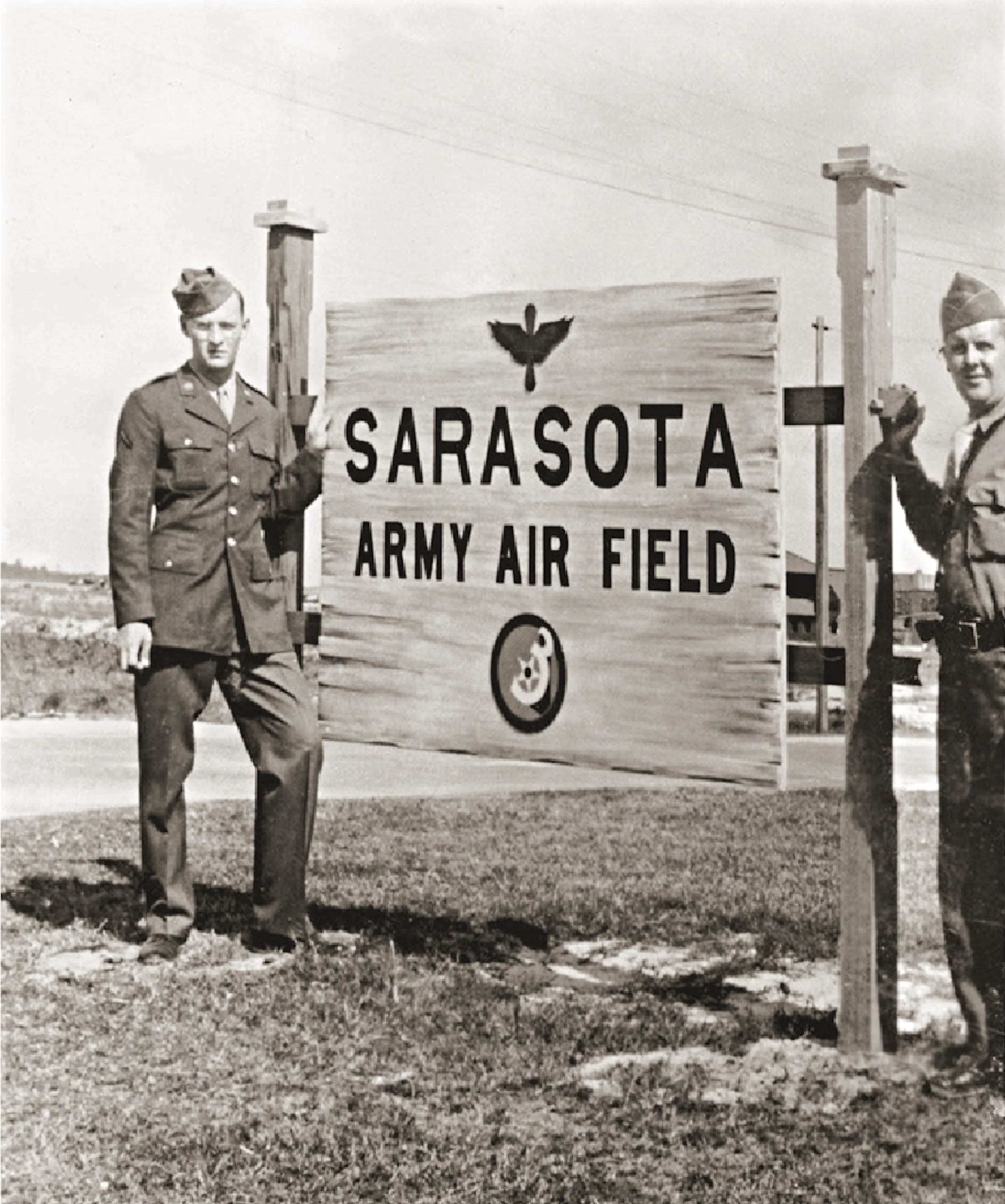
Soldiers in Sarasota
Soldiers at Army airfield
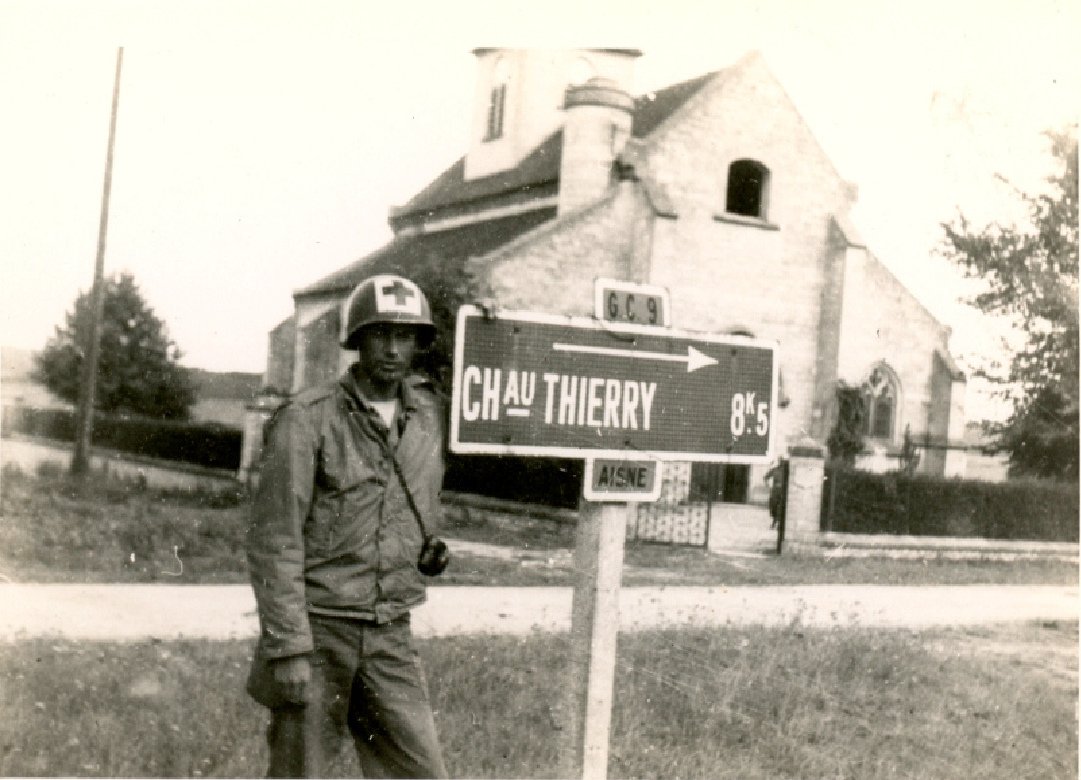
The Servicemen's Readjustment Act of 1944 signed into law by President Franklin D. Roosevelt on June 22, 1944, this act, also known as the G.I. Bill, provided World War II veterans with funds for college education, unemployment insurance, and housing. It put higher education within the reach of millions of veterans of WWIl and later military conflicts.
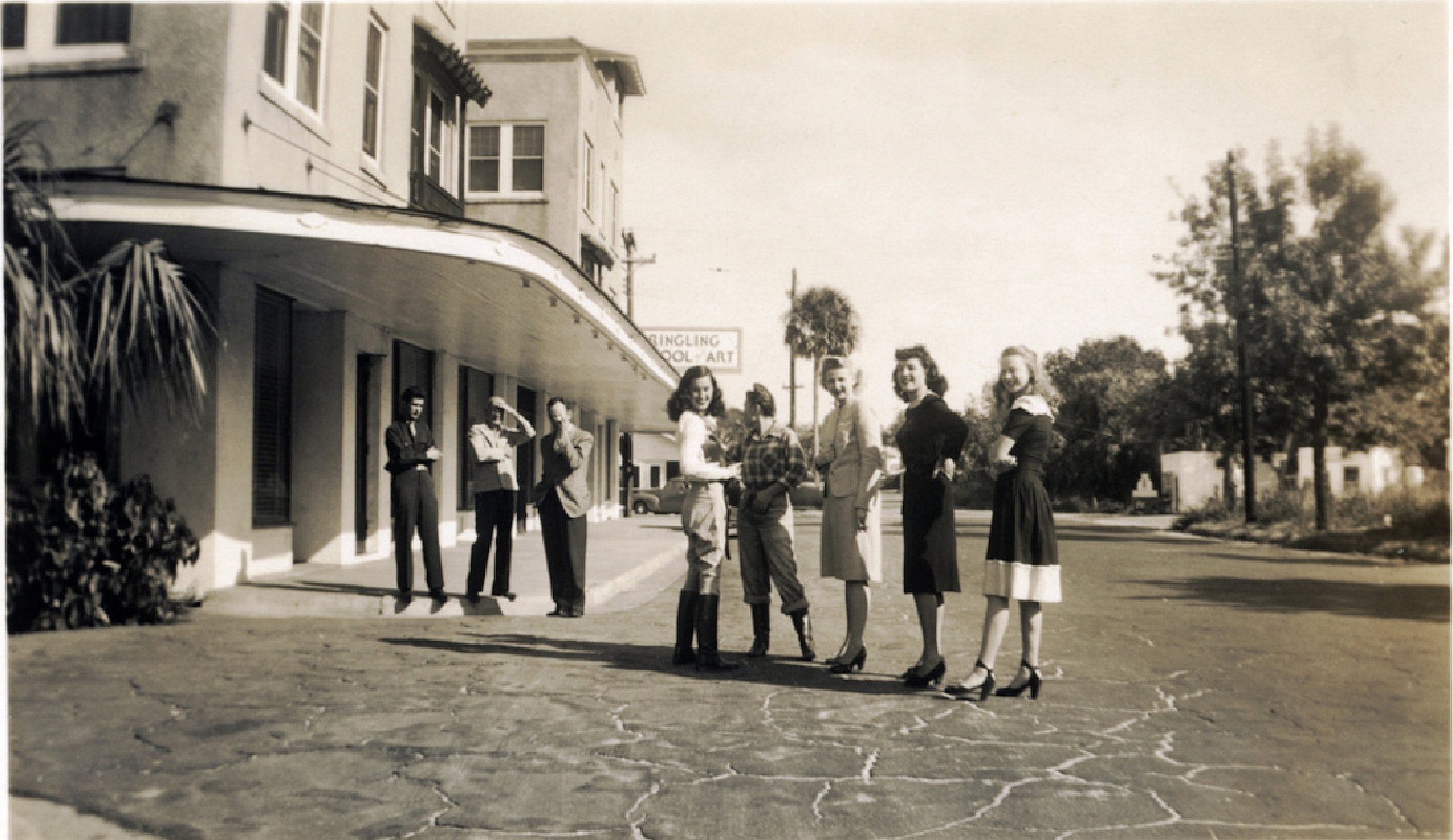
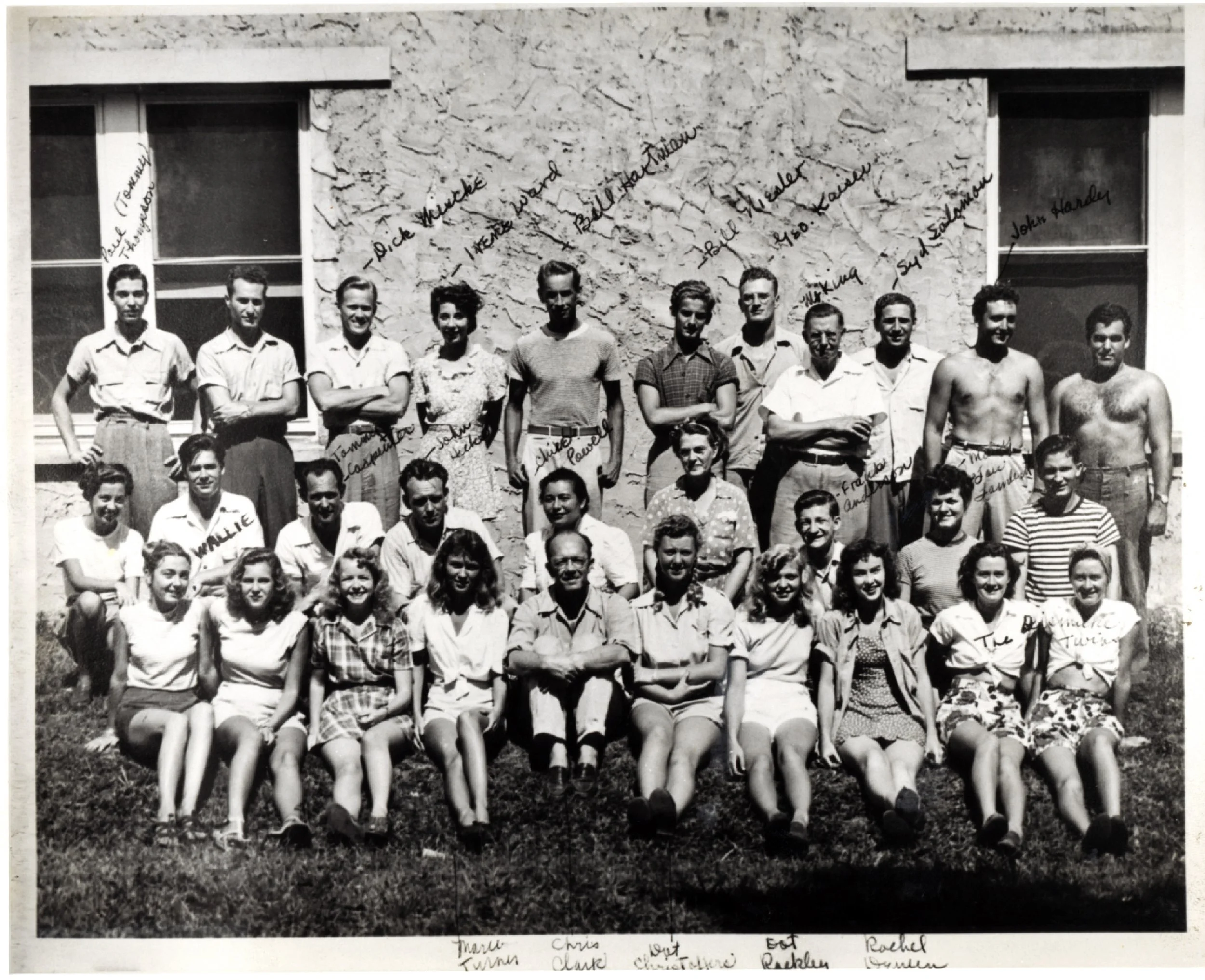
Ringling School of Art attendance during the war years was seldom more than fifty or sixty and most were young women.
By 1949 returning veterans had swelled the student population to 250. Ringling school of art was the first school in the state of Florida to be certified for the GI Bill.
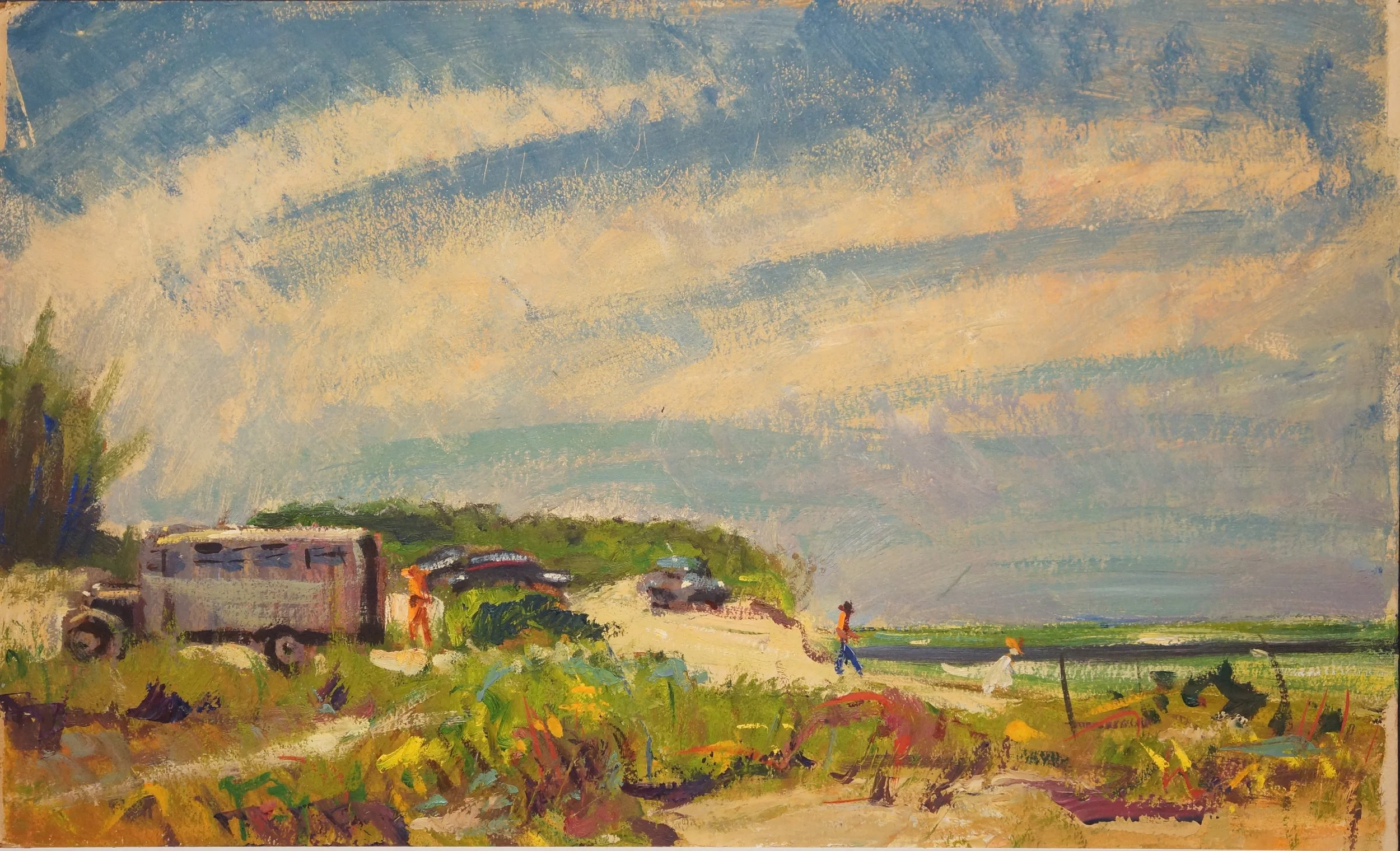
William Hartman painting of Ringling School of Art bus with landscape class on Longboat Key
Art Students in 1946
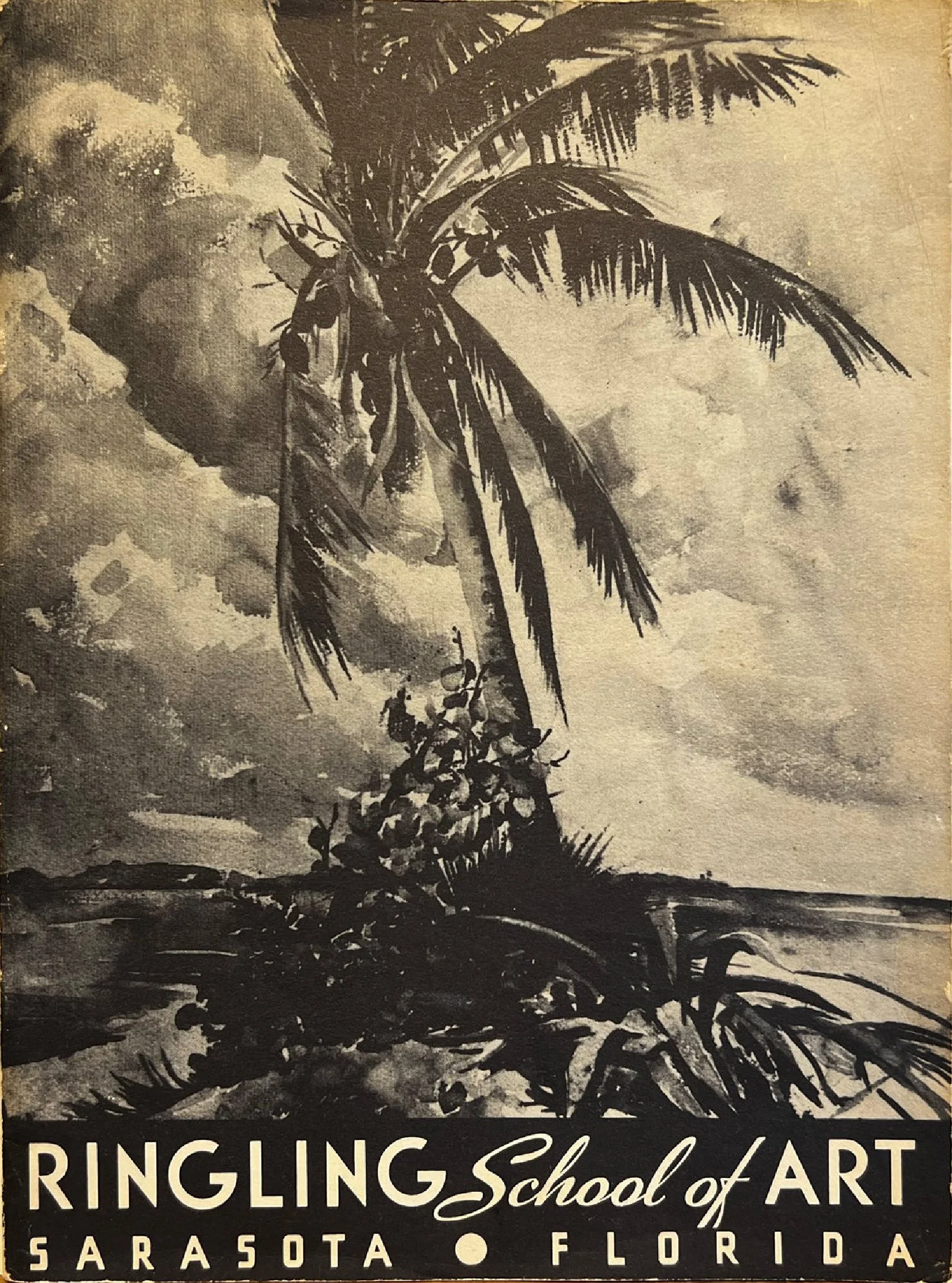
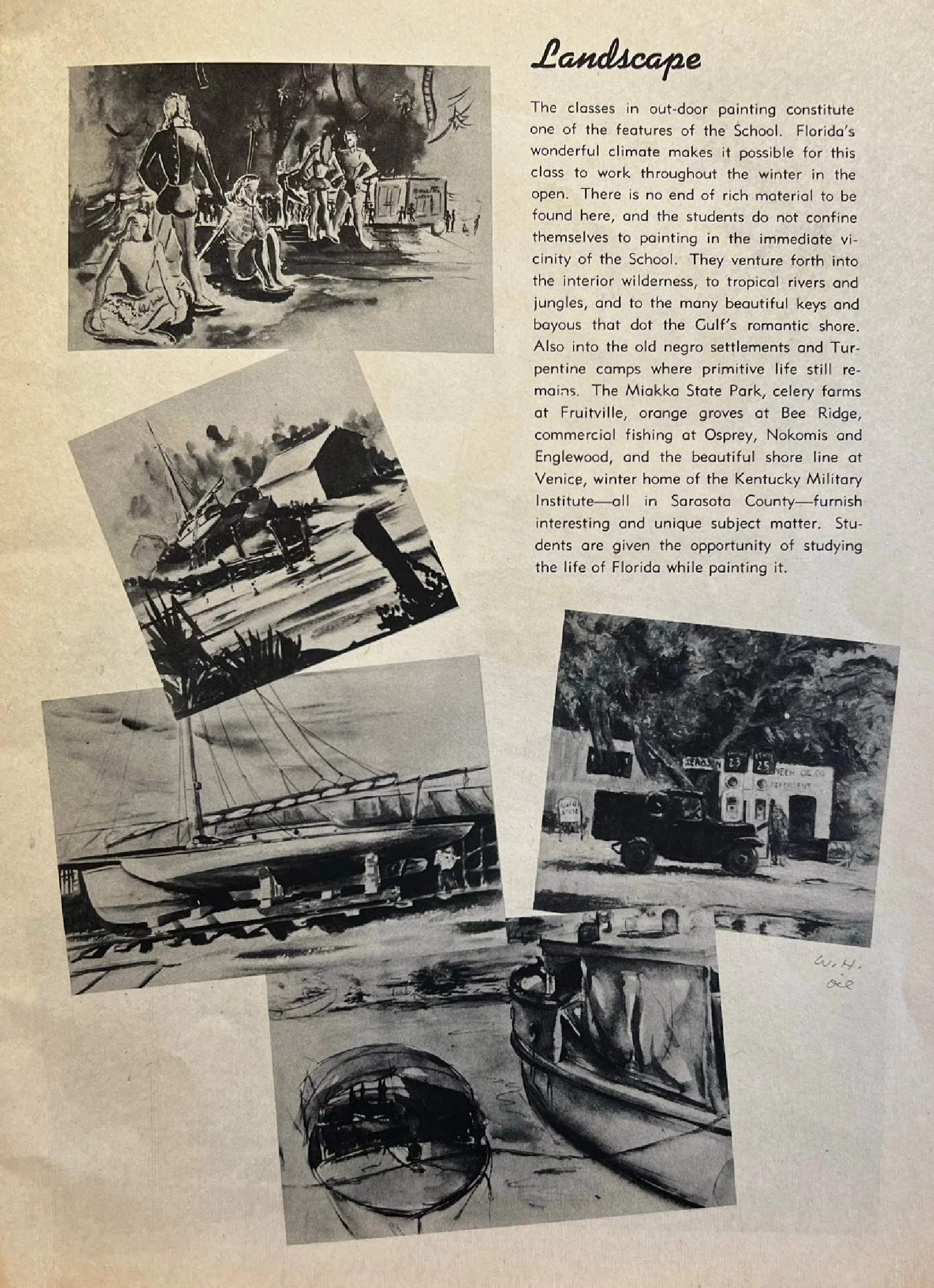
Ringling School of Art 1946 brochure
Ringling School of Art 1946 brochure
1926-active
the Sarasota Art Association
Before Sarasota had private galleries where an artists work could be shown the Sarasota Art Association was the showcase for local talent. Established in 1926 by Marcia Rader and incorporated in 1941 as a not-for-profit the SAA constructed it's Sarasota School of Architecture building on city donated land in 1949. Now known as Art Center Sarasota it continues to be the beating heart of the Sarasota visual arts scene.
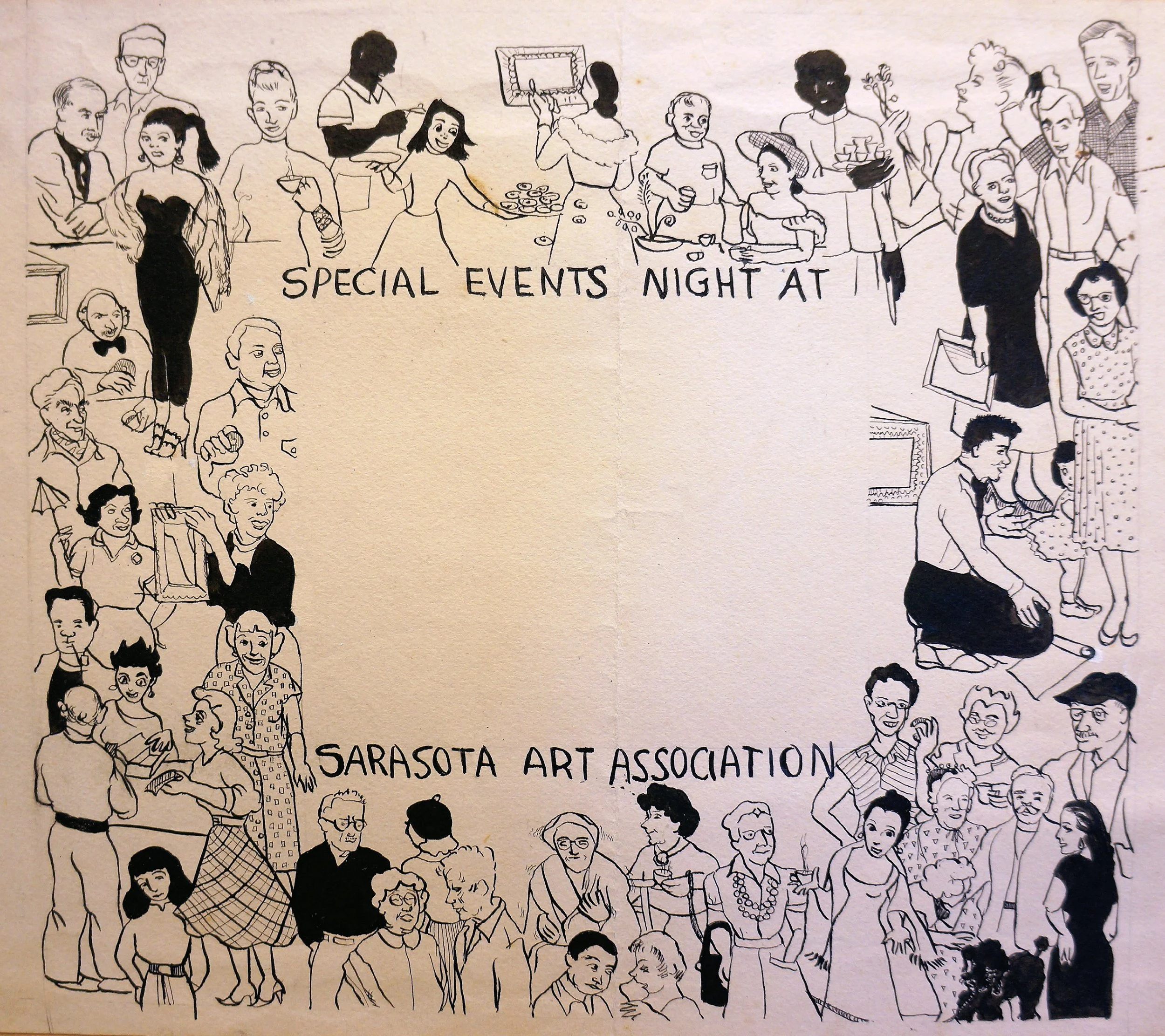
Sarasota Art Association Exterior
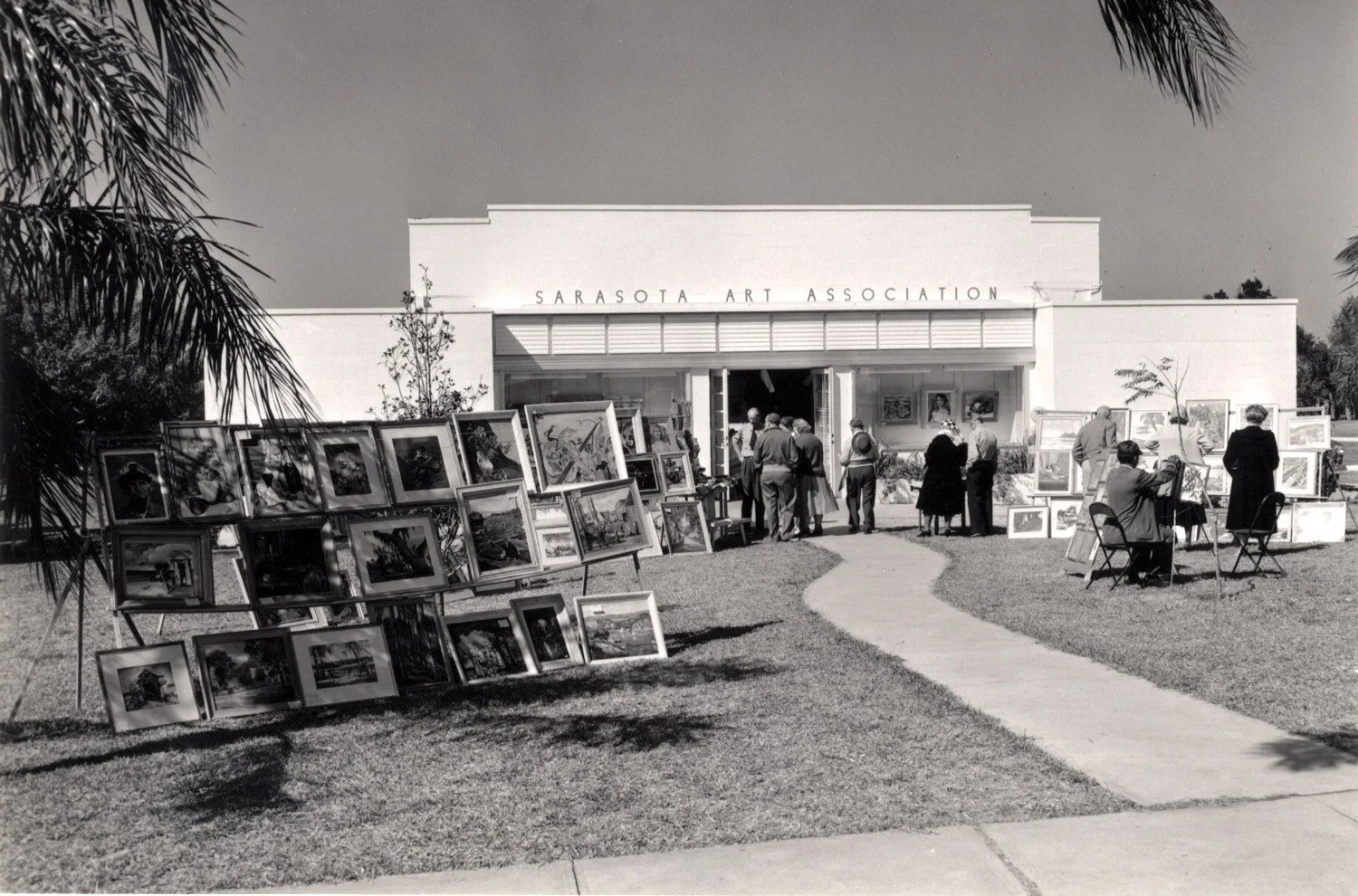
Sarasota Art Association Event Poster
The Post-War Art School Boom
1956
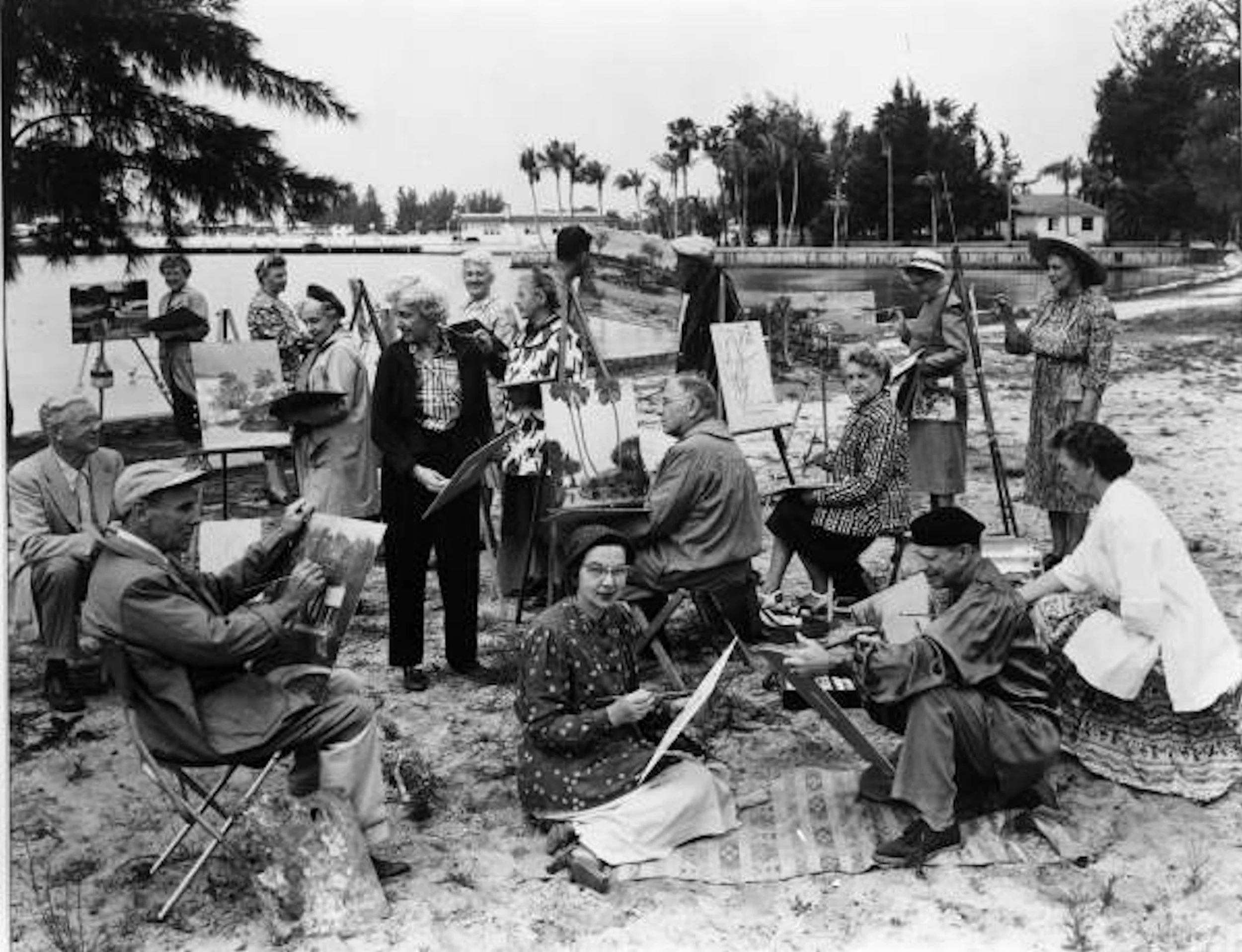
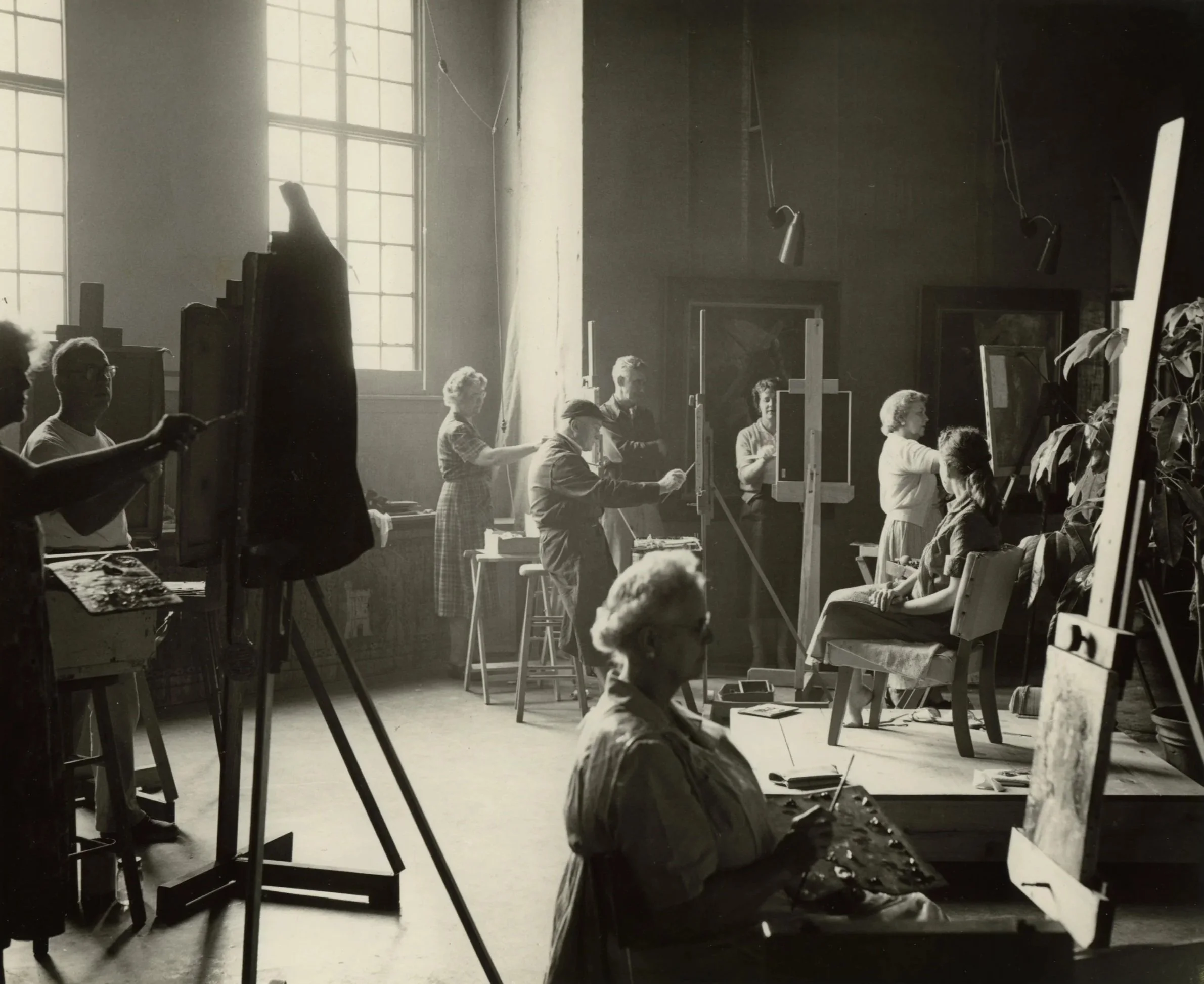
Sarasota in the pre-war years had been blessed with a number of private art schools where one could receive instruction however the post-war years saw an exponential increase in private art classes and by 1956 thirteen schools offered instruction to an estimated 1500 aspiring artists living in the greater Sarasota ared. In part, this was a result of so many artist veterans and their families choosing to make Sarasota their home and their need to earn a living. Art instruction put food on the table and kept these artists fully engaged in their chosen profession.
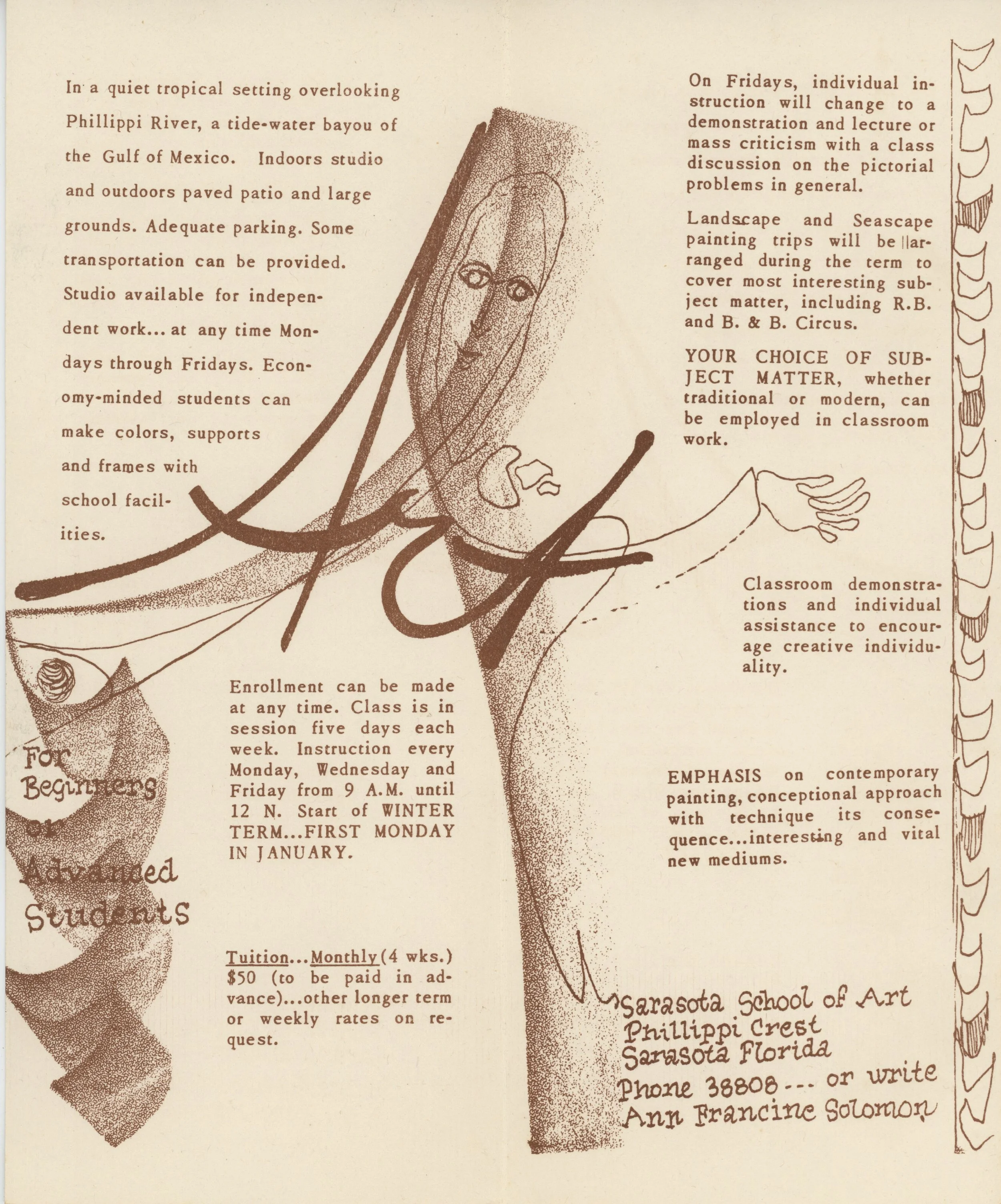
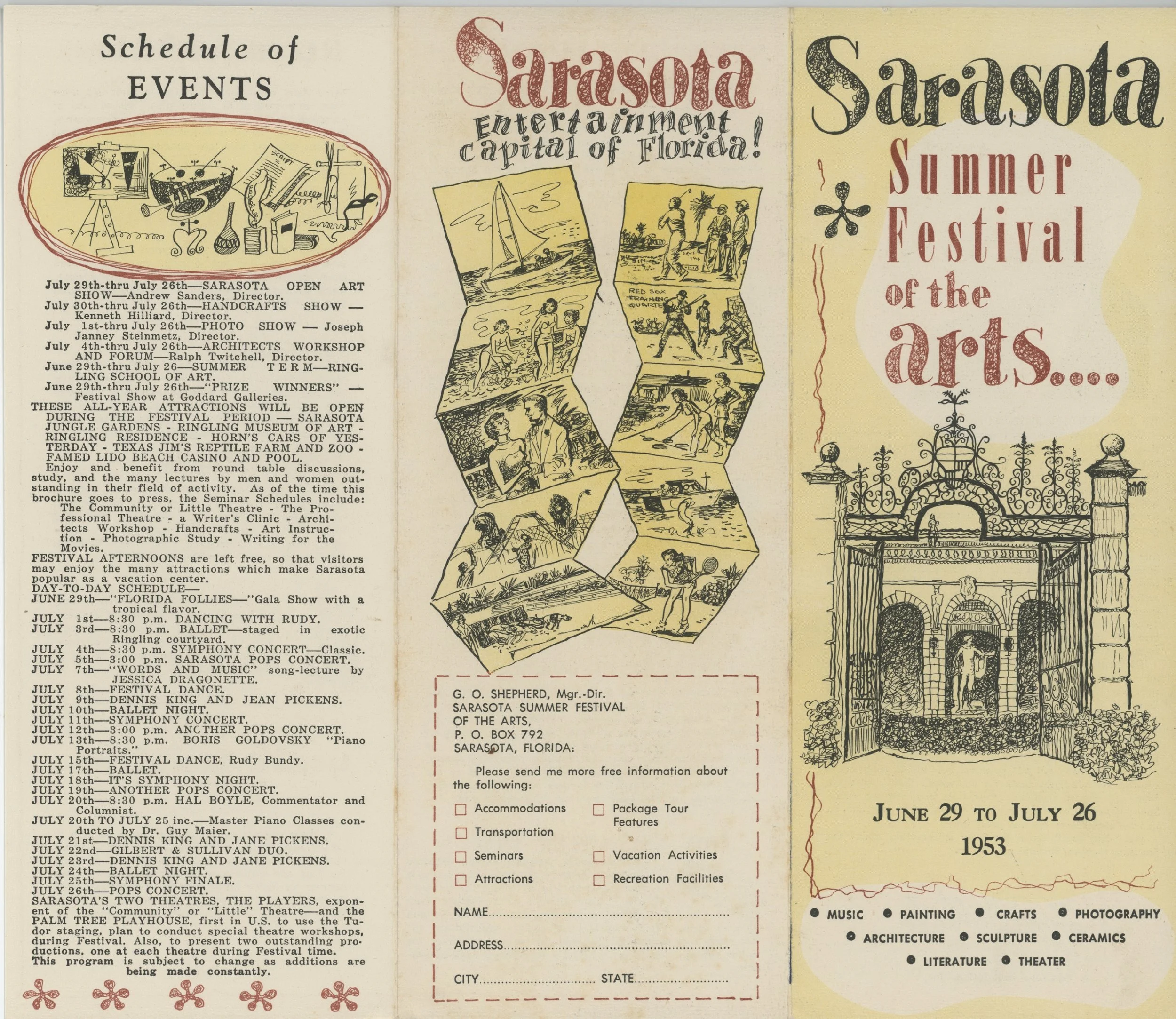
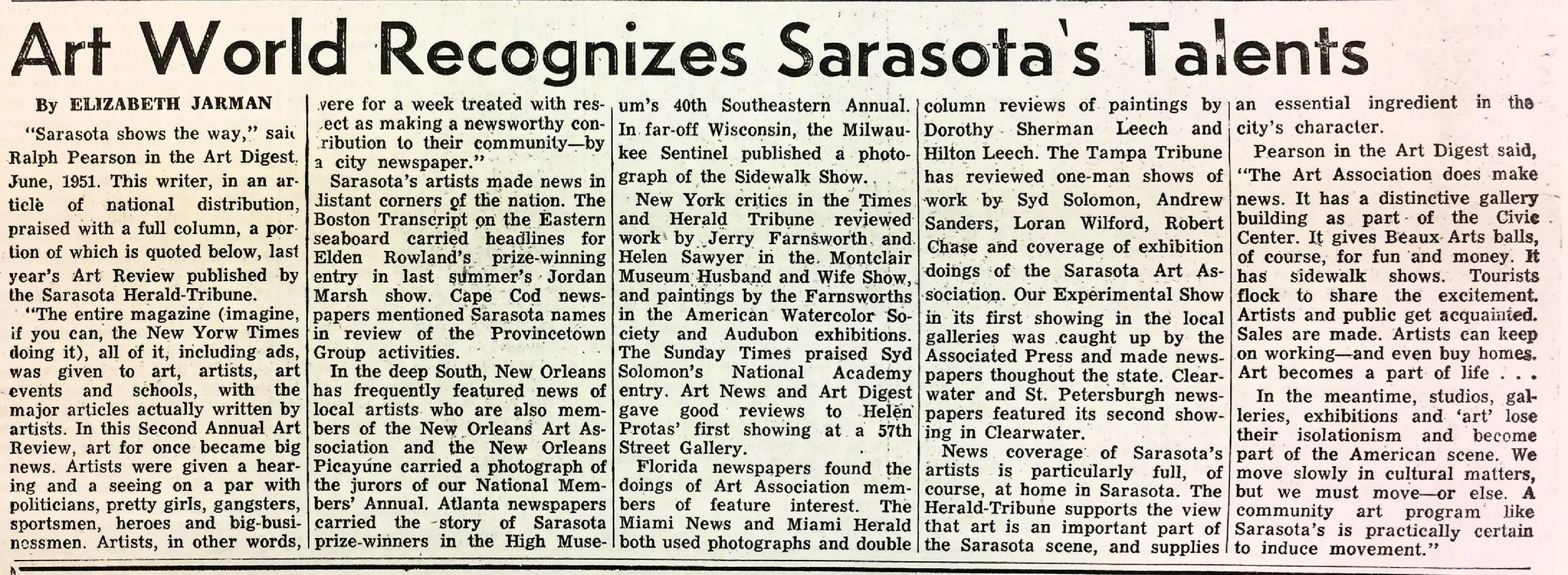
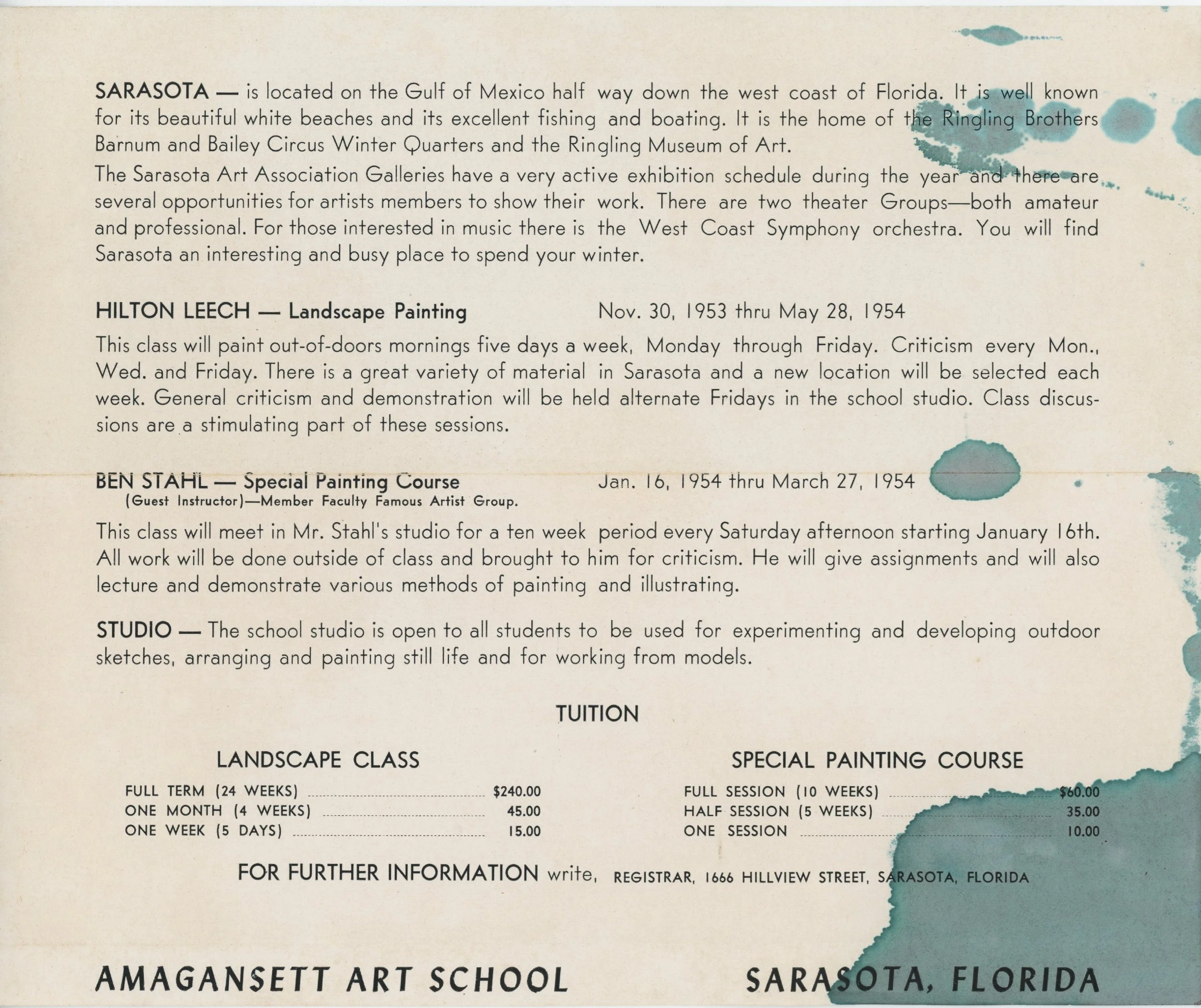
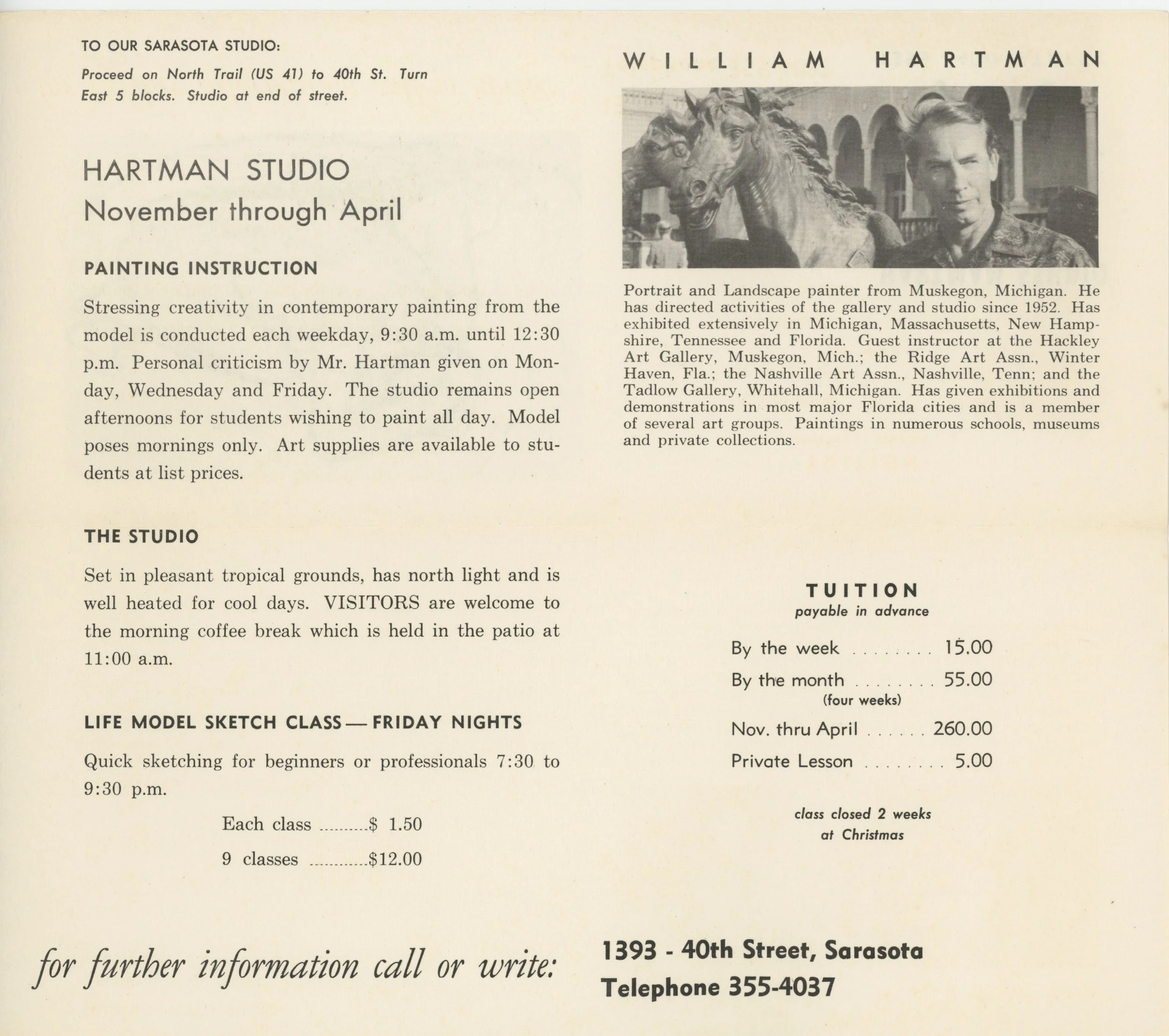
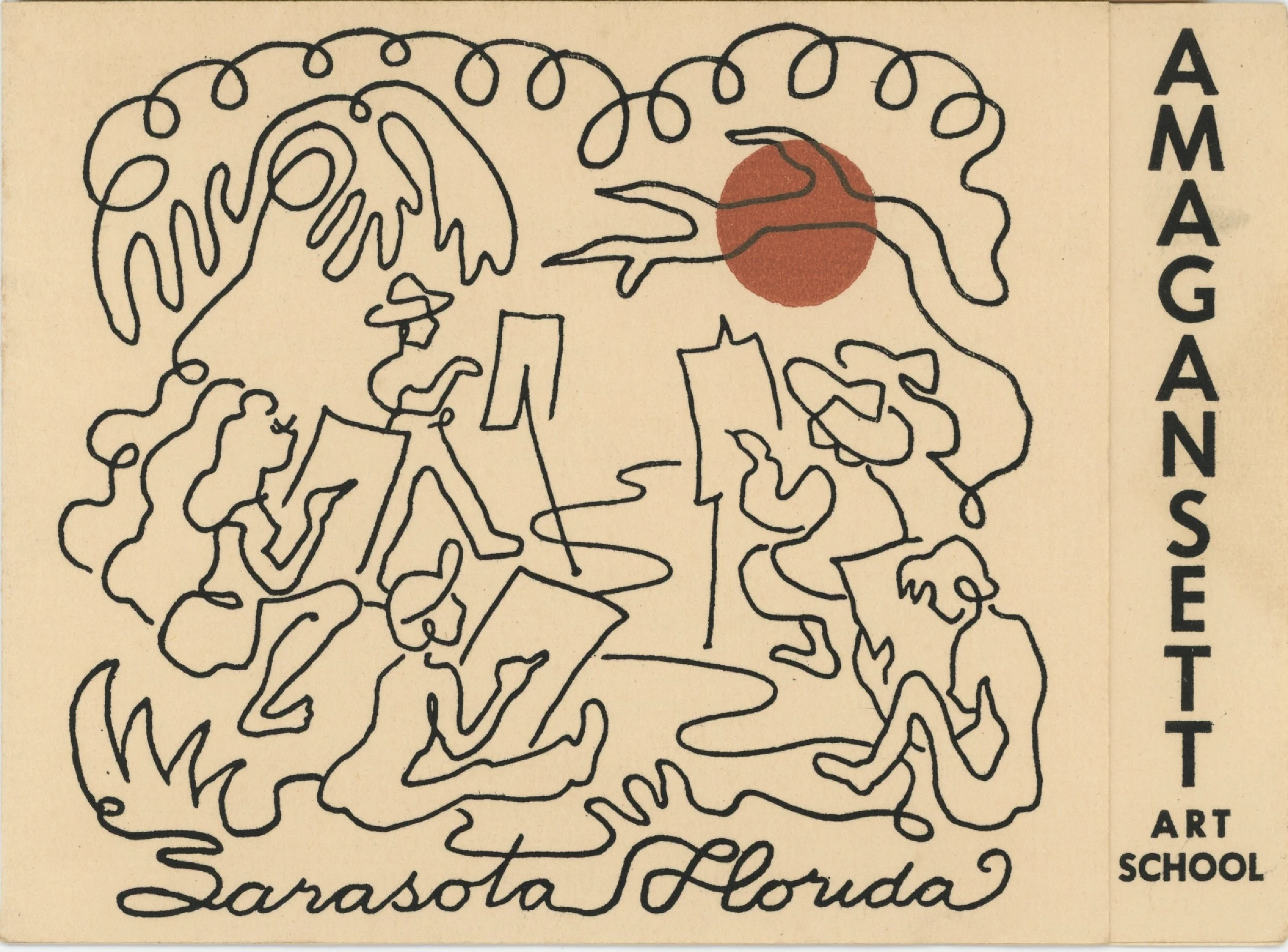
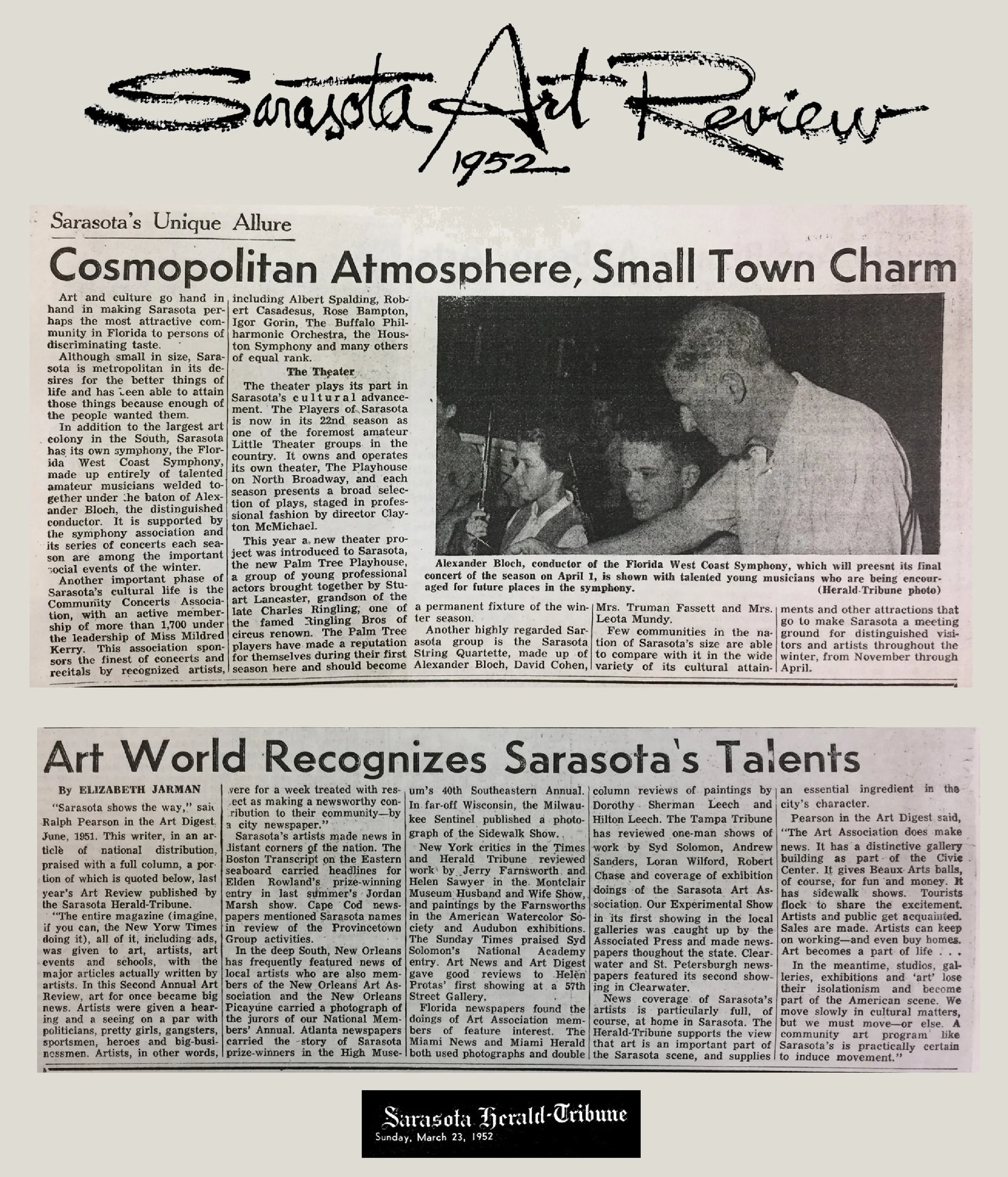
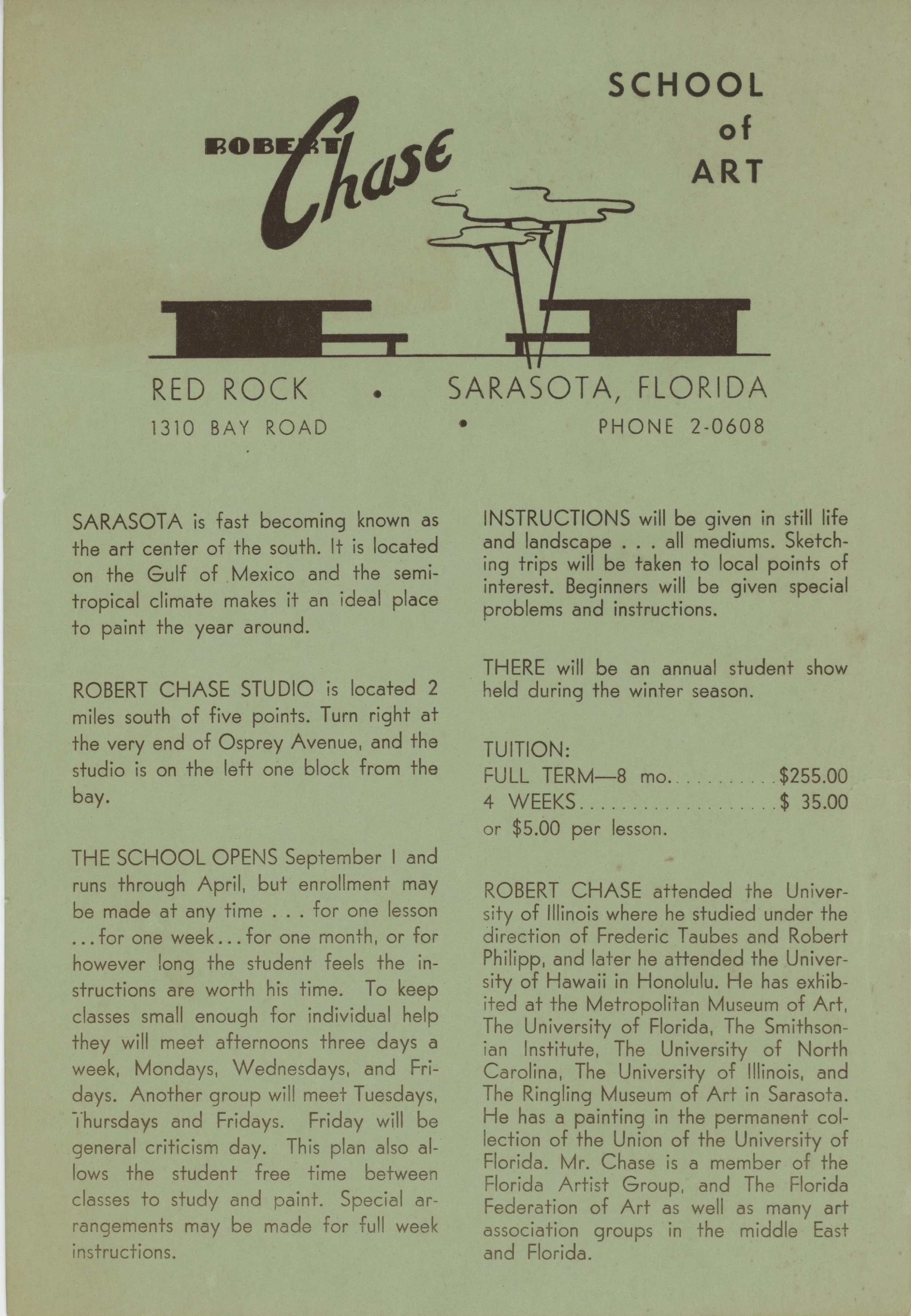
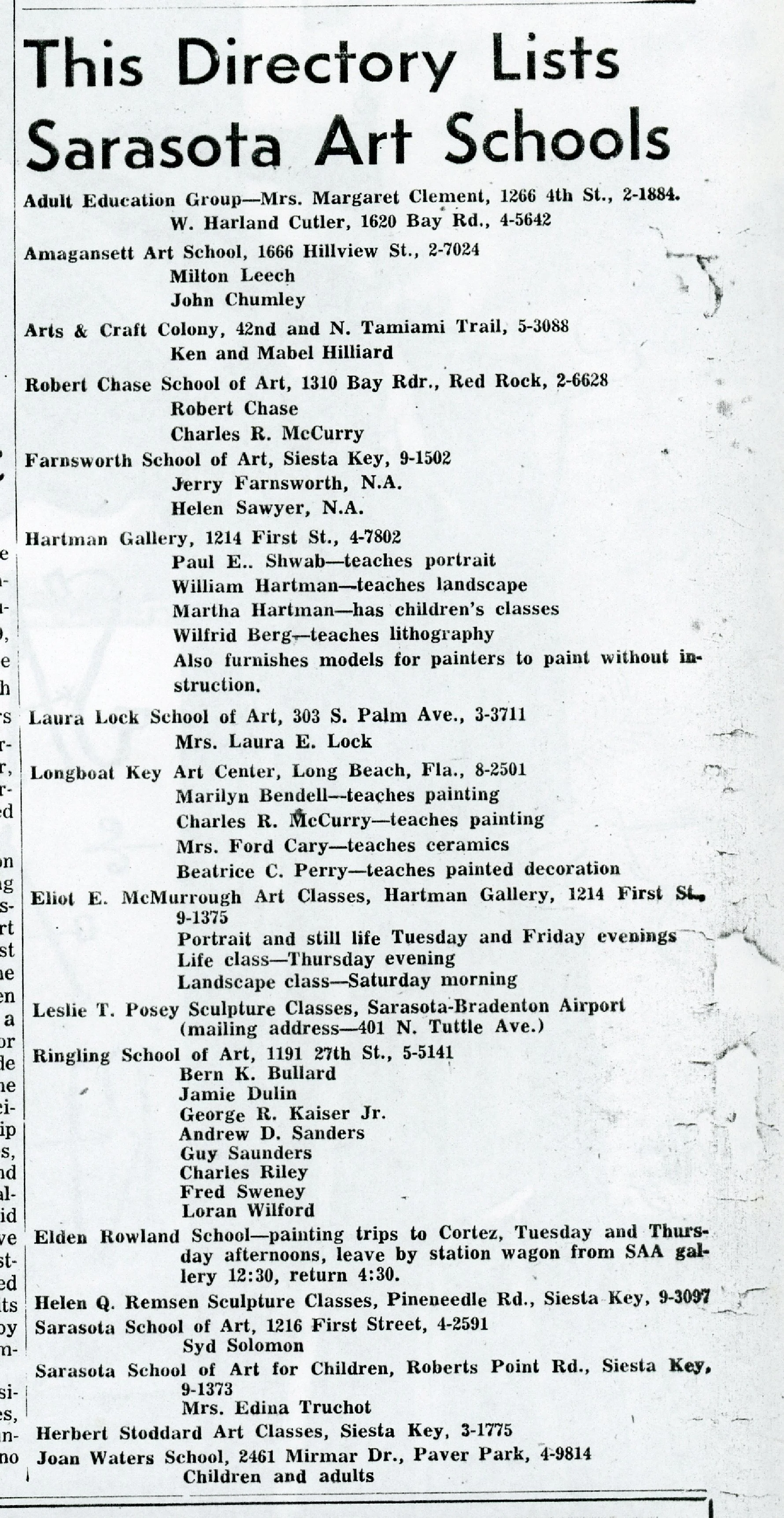
A variety of newspaper clippings and art school brochures.
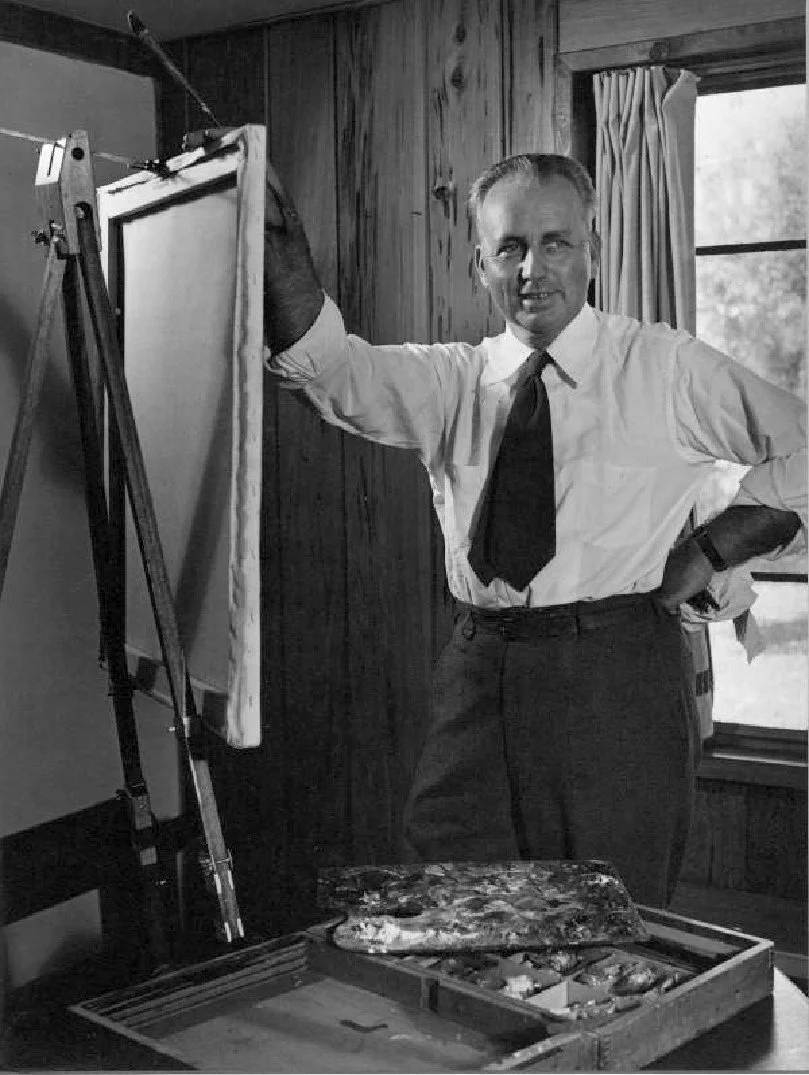
Artist Syd Solomon
Artist Hilton Leech
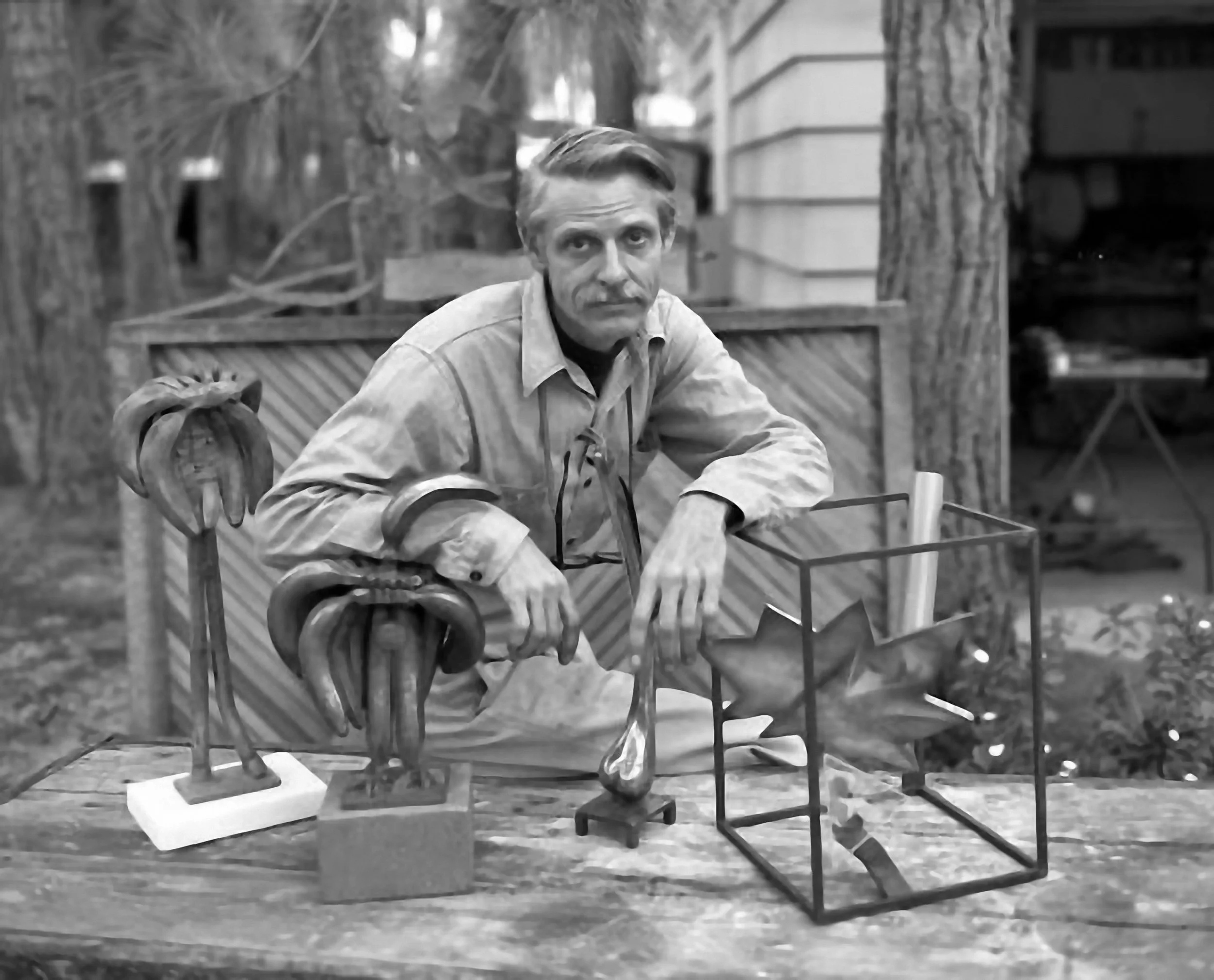
Artist Jerry Farnsworth
Artist Veron Volez
Hartman Gallery painting class
Hilton Leech class
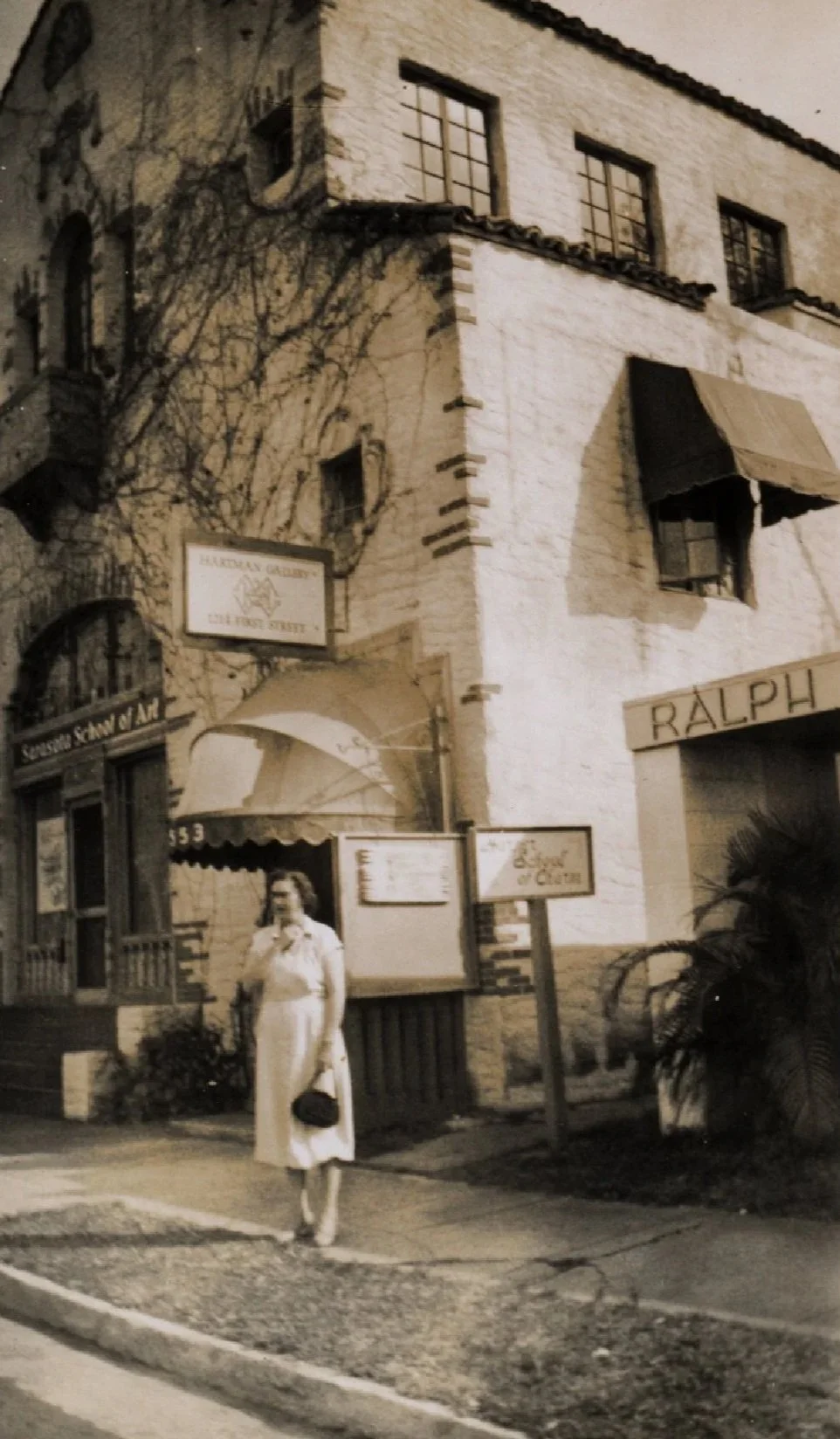
Hartman Gallery
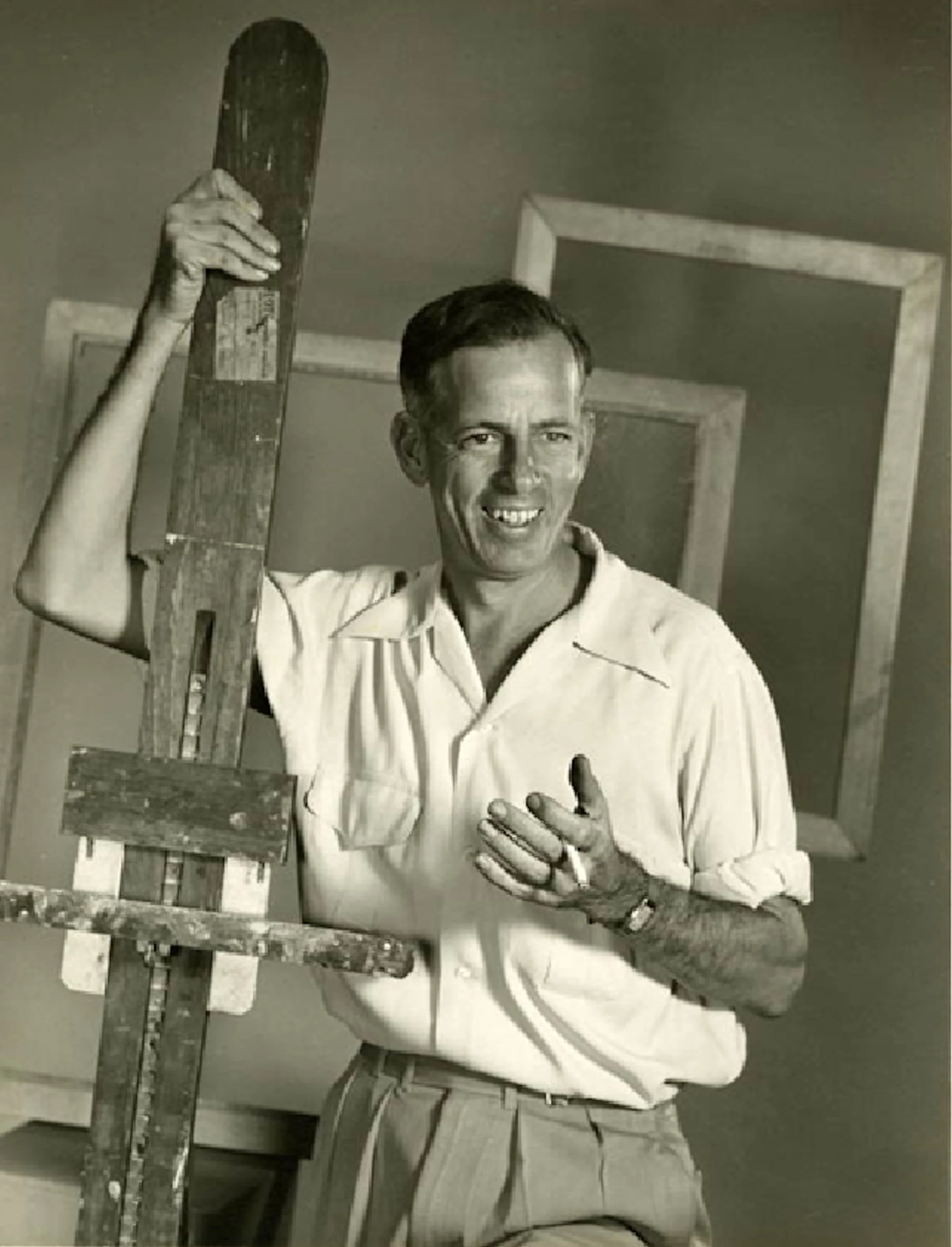
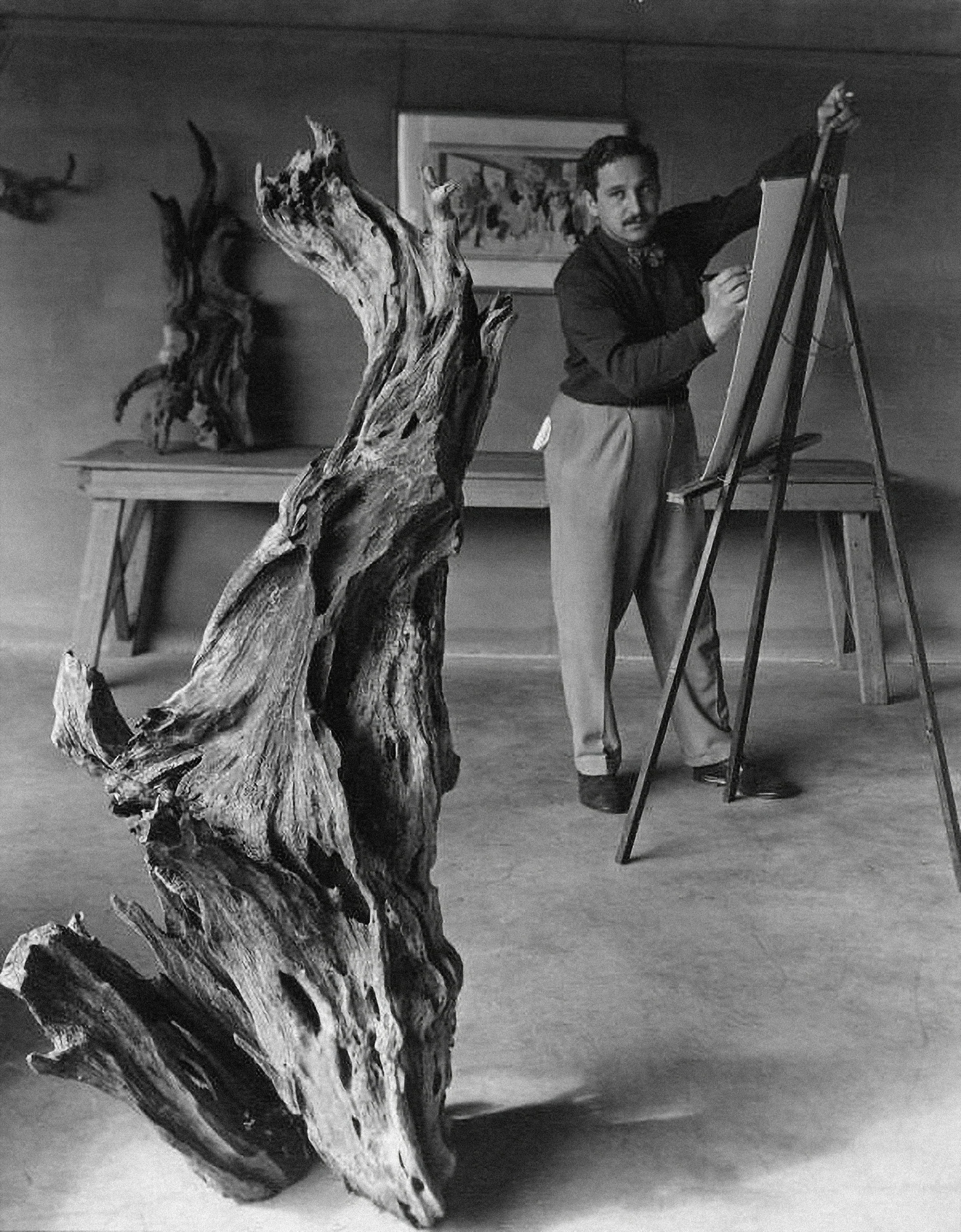
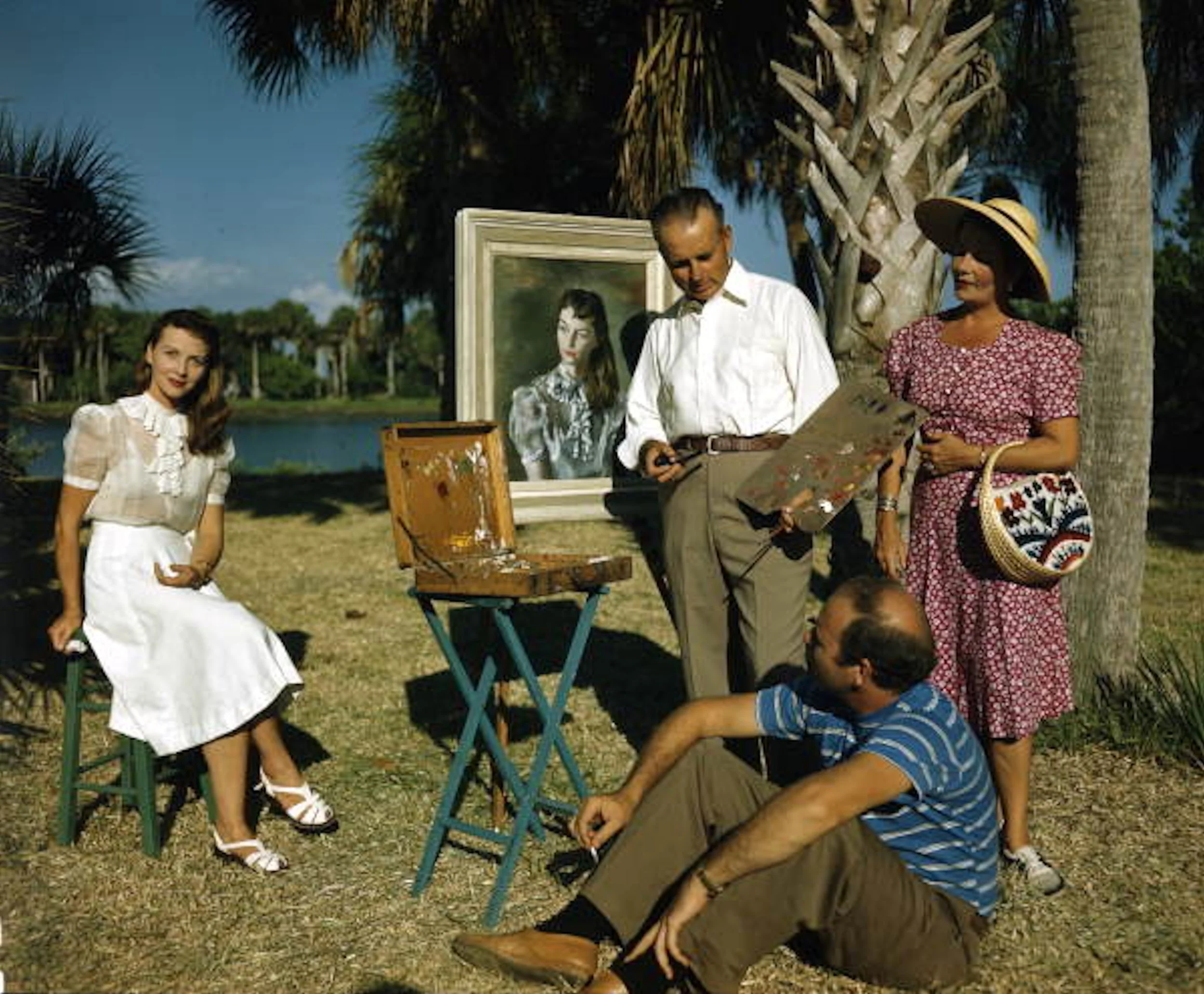
Artists Jerry Farnsworth and Helen Sawyer
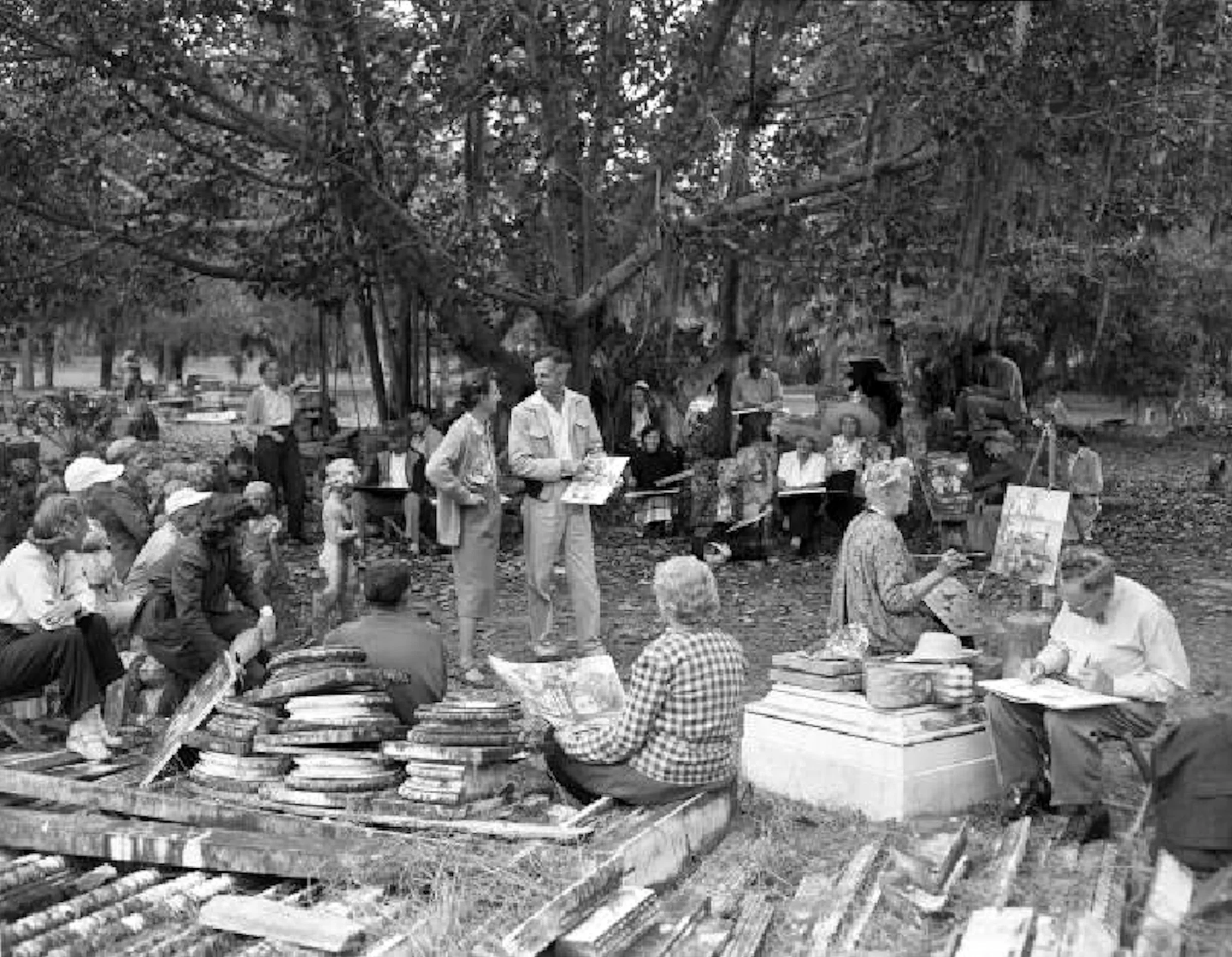
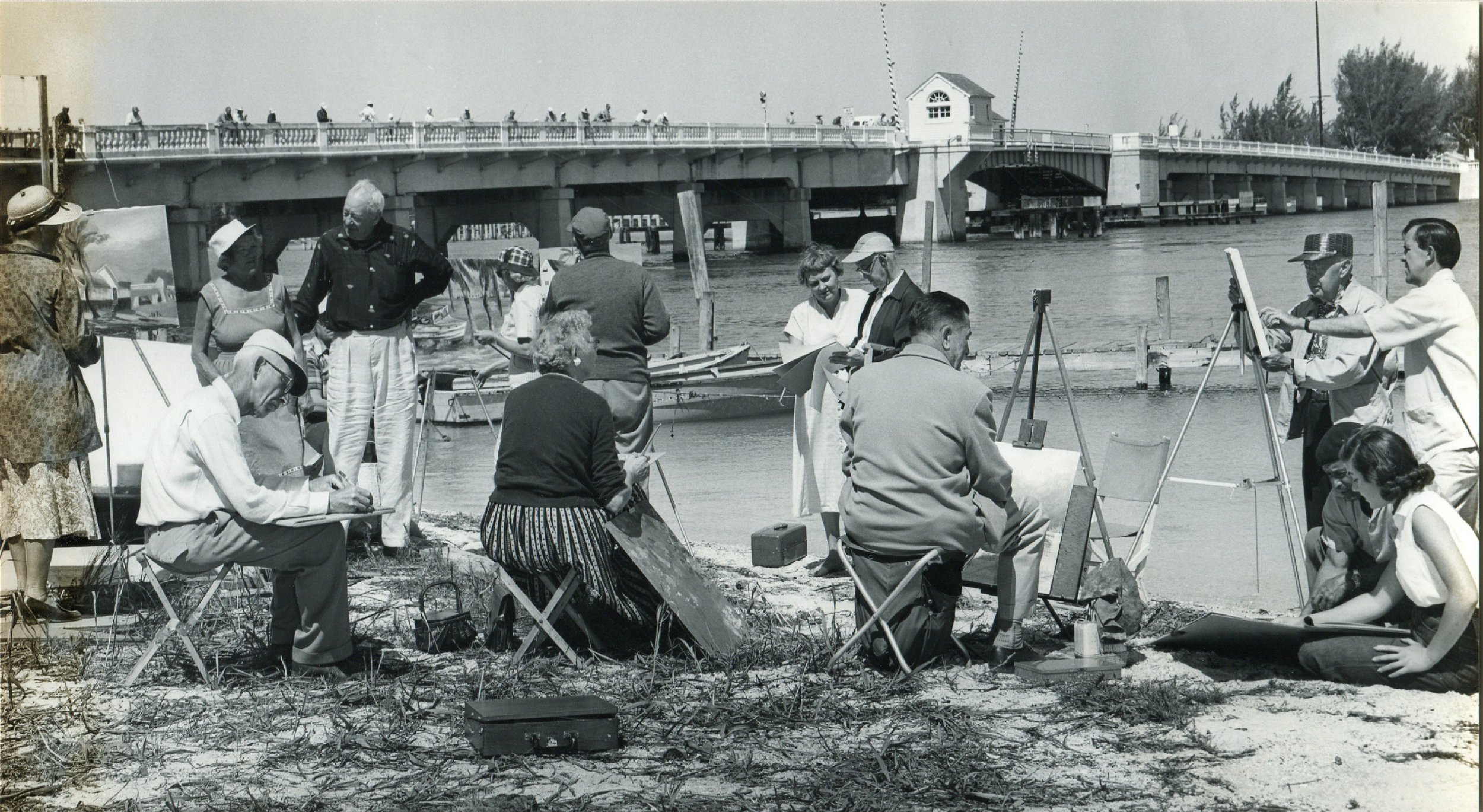
Laura Locke Class
Bob Chase class
SARASOTa’s rise to recognition
Artist Ads
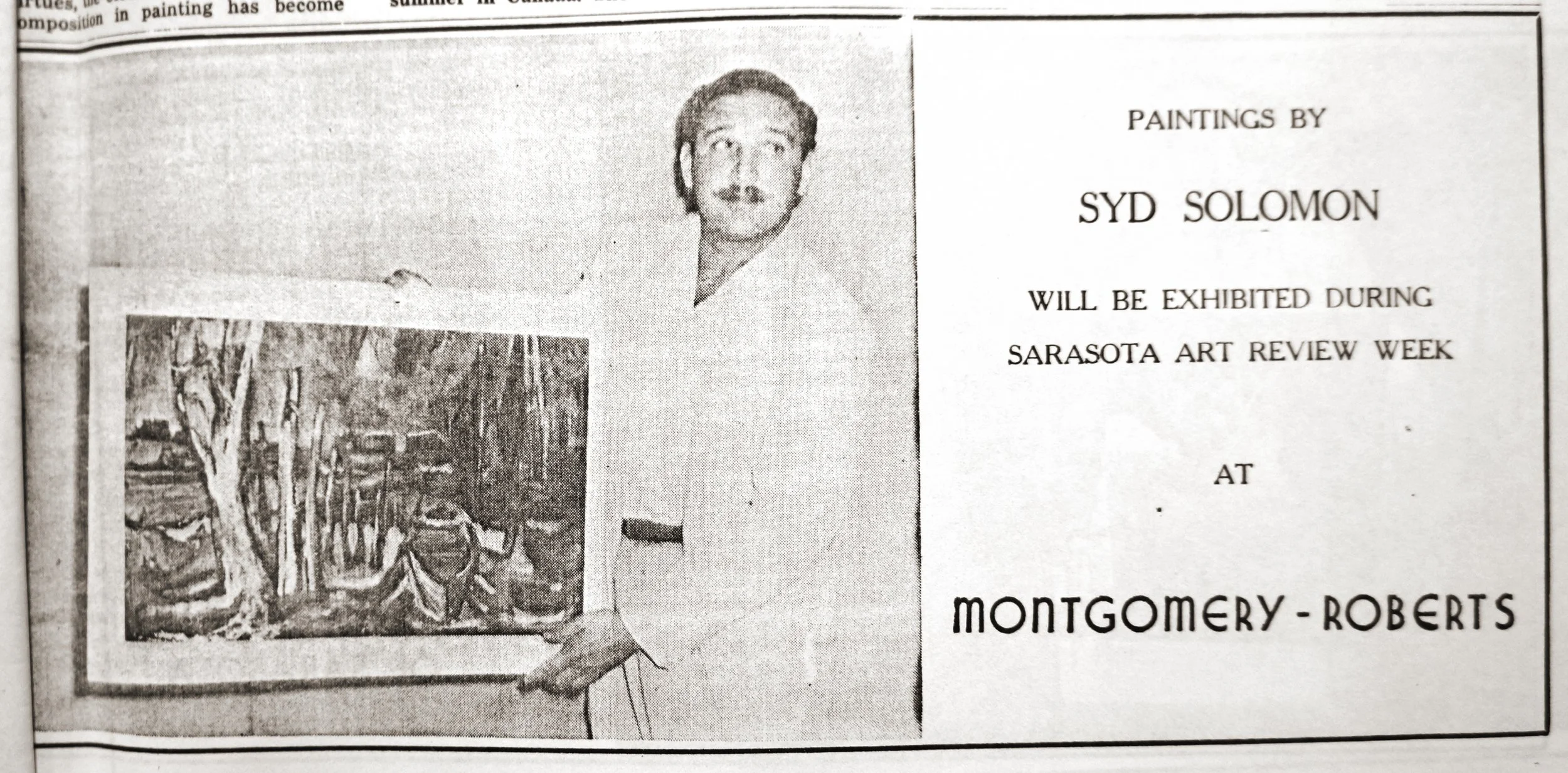
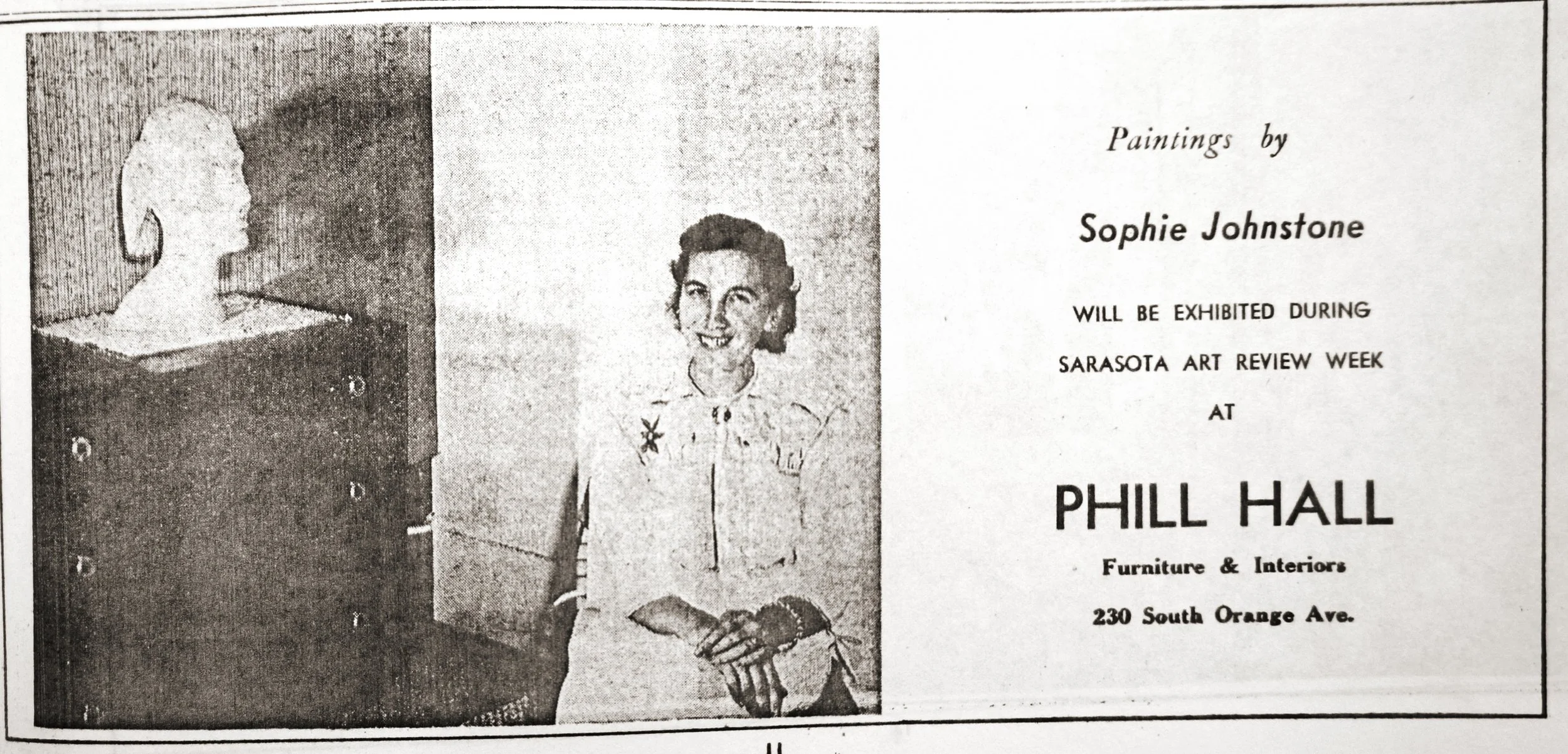
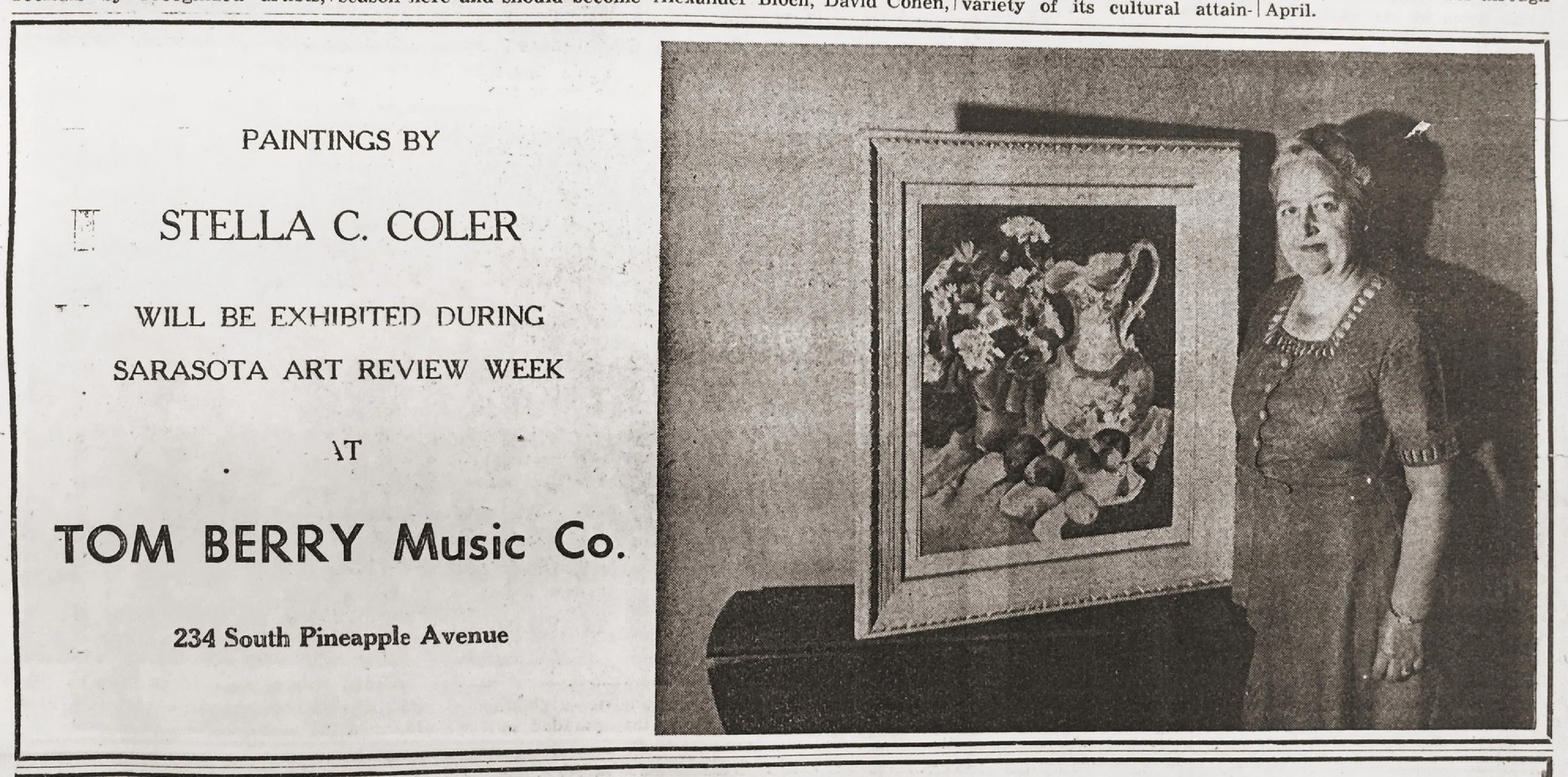
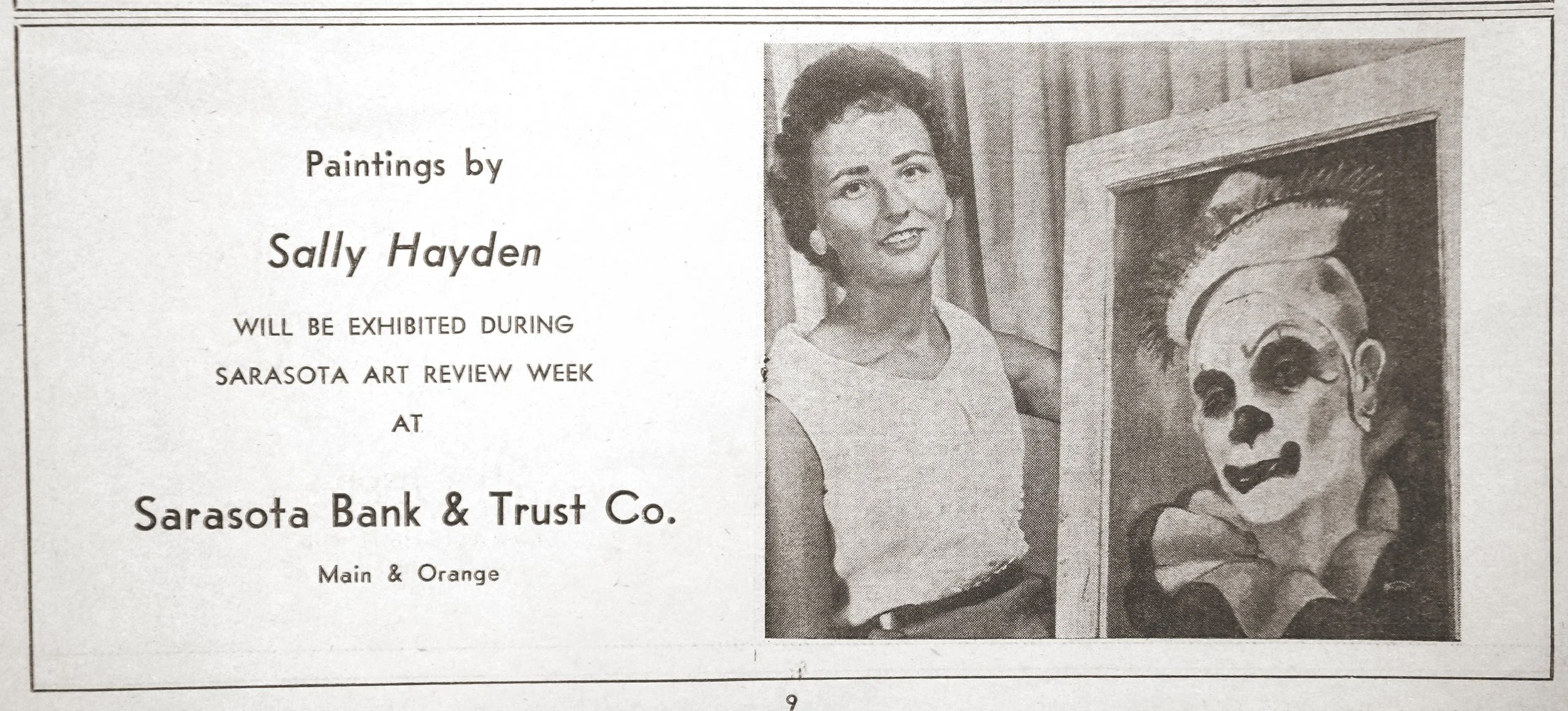
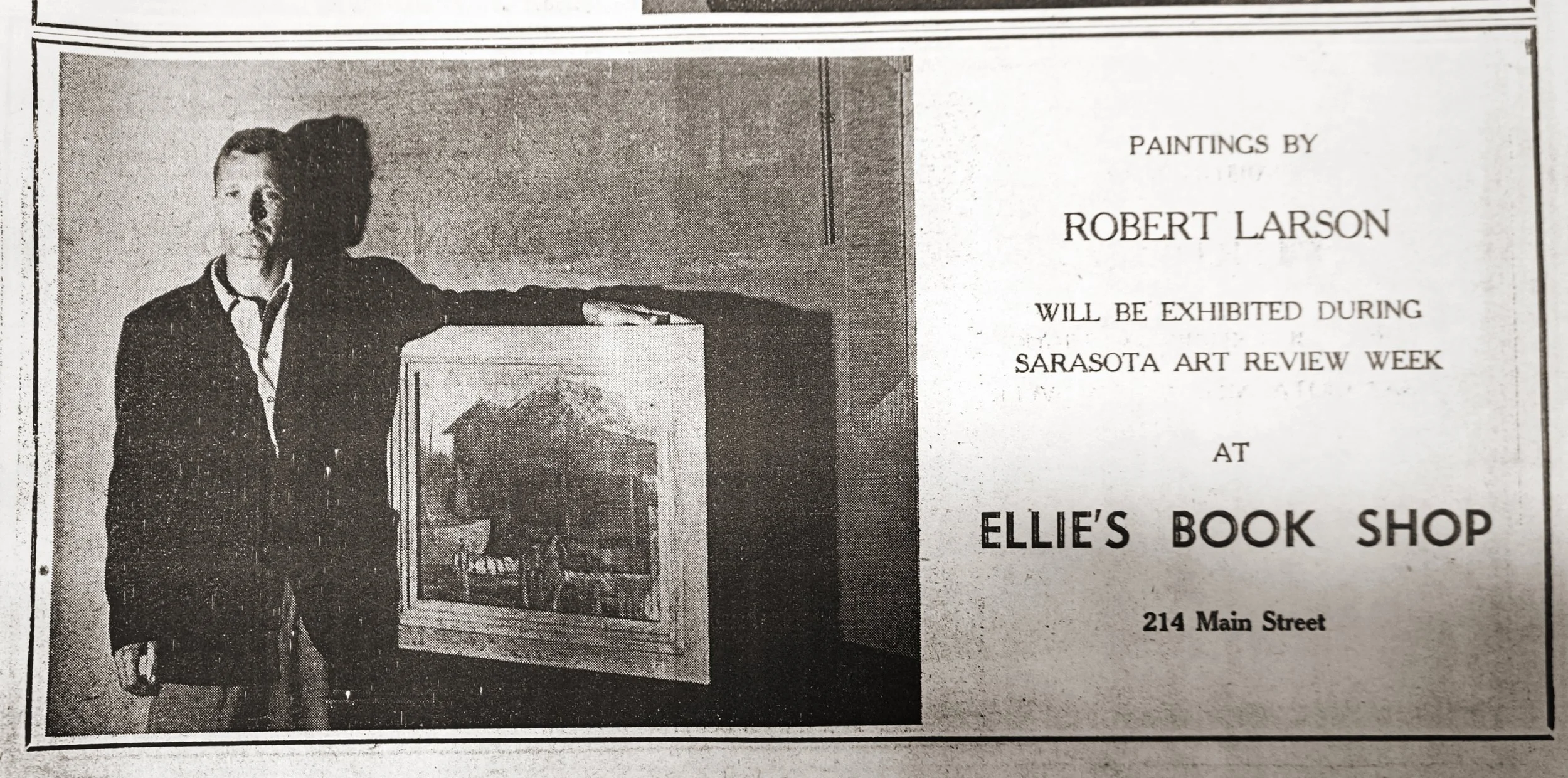
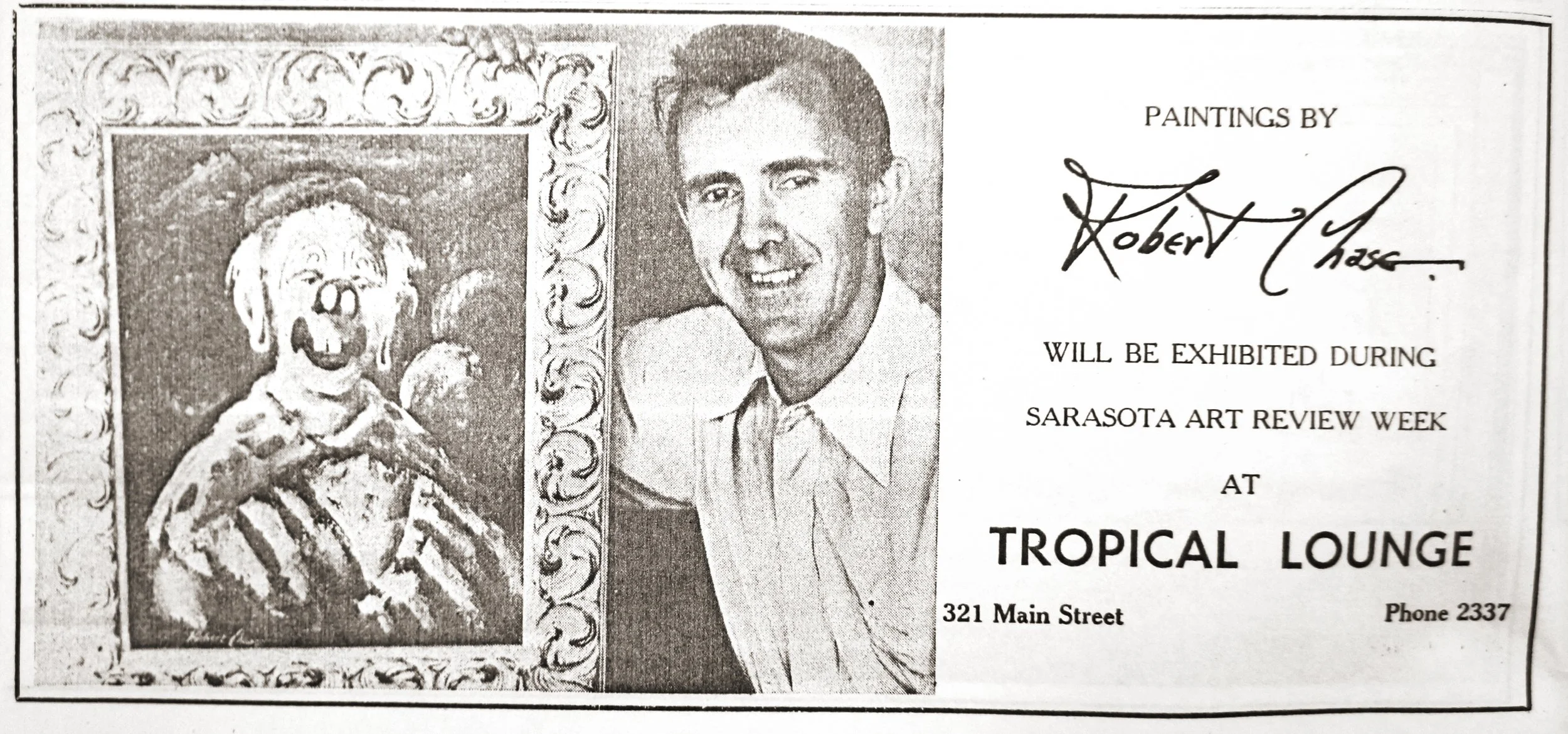
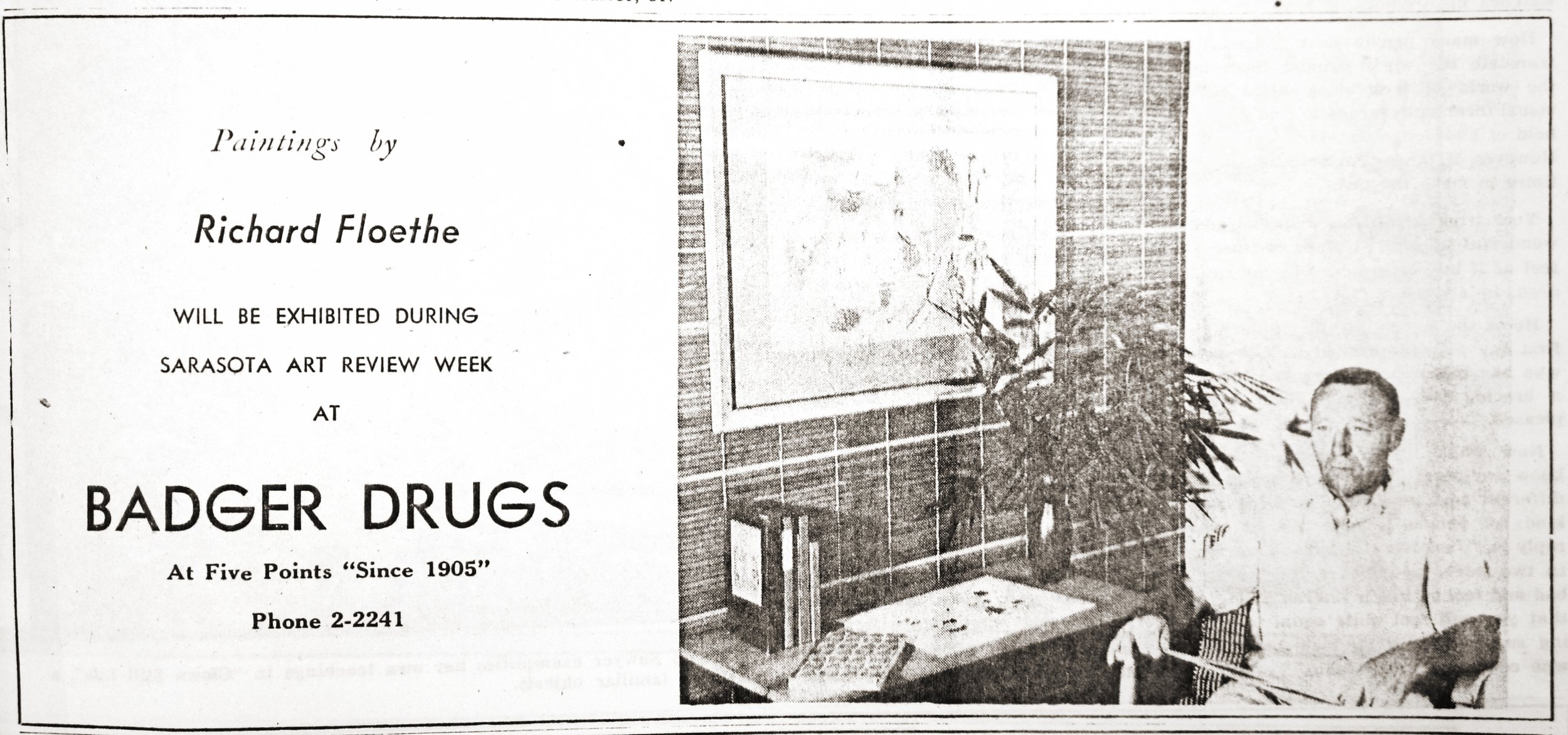
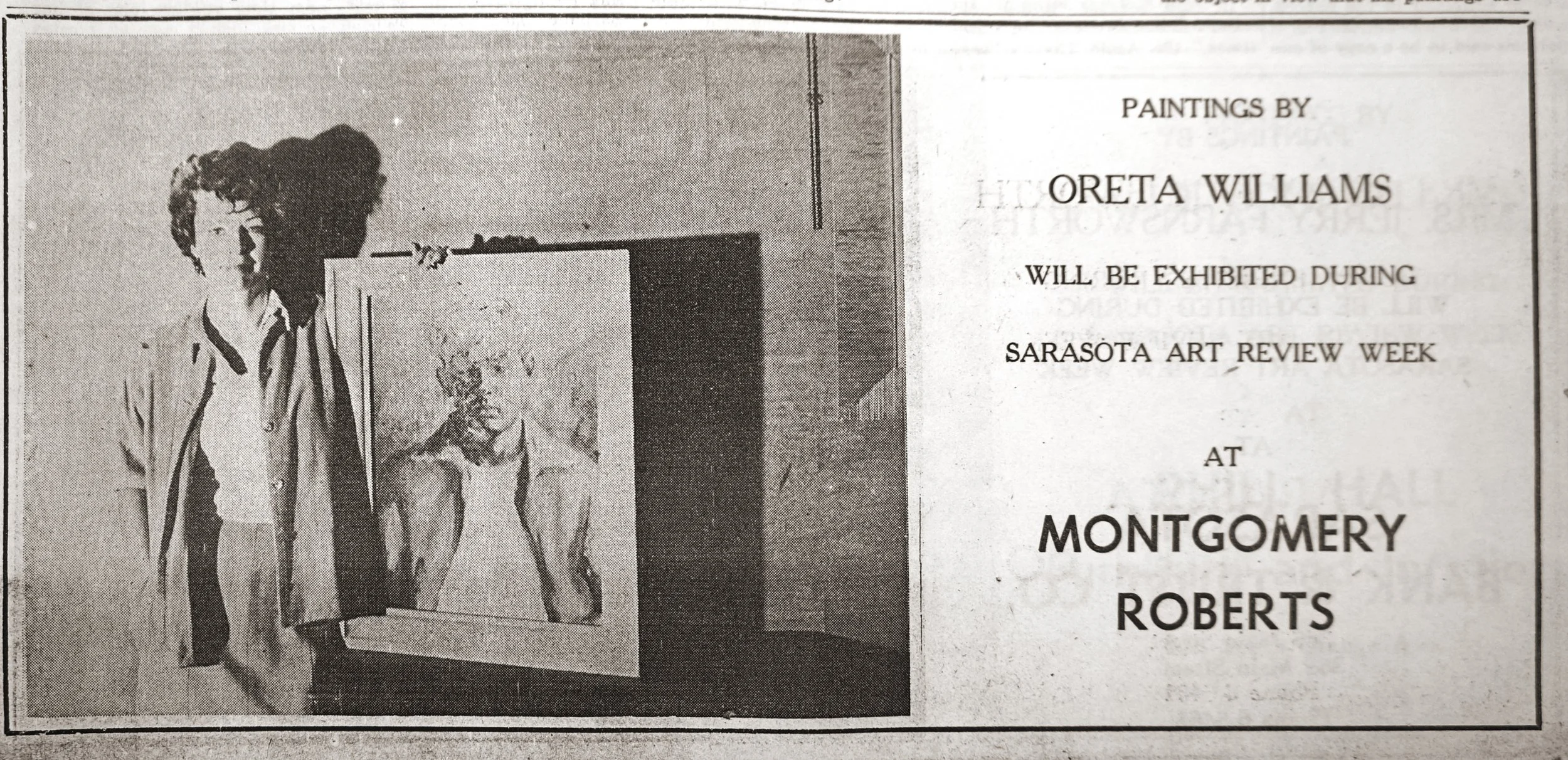
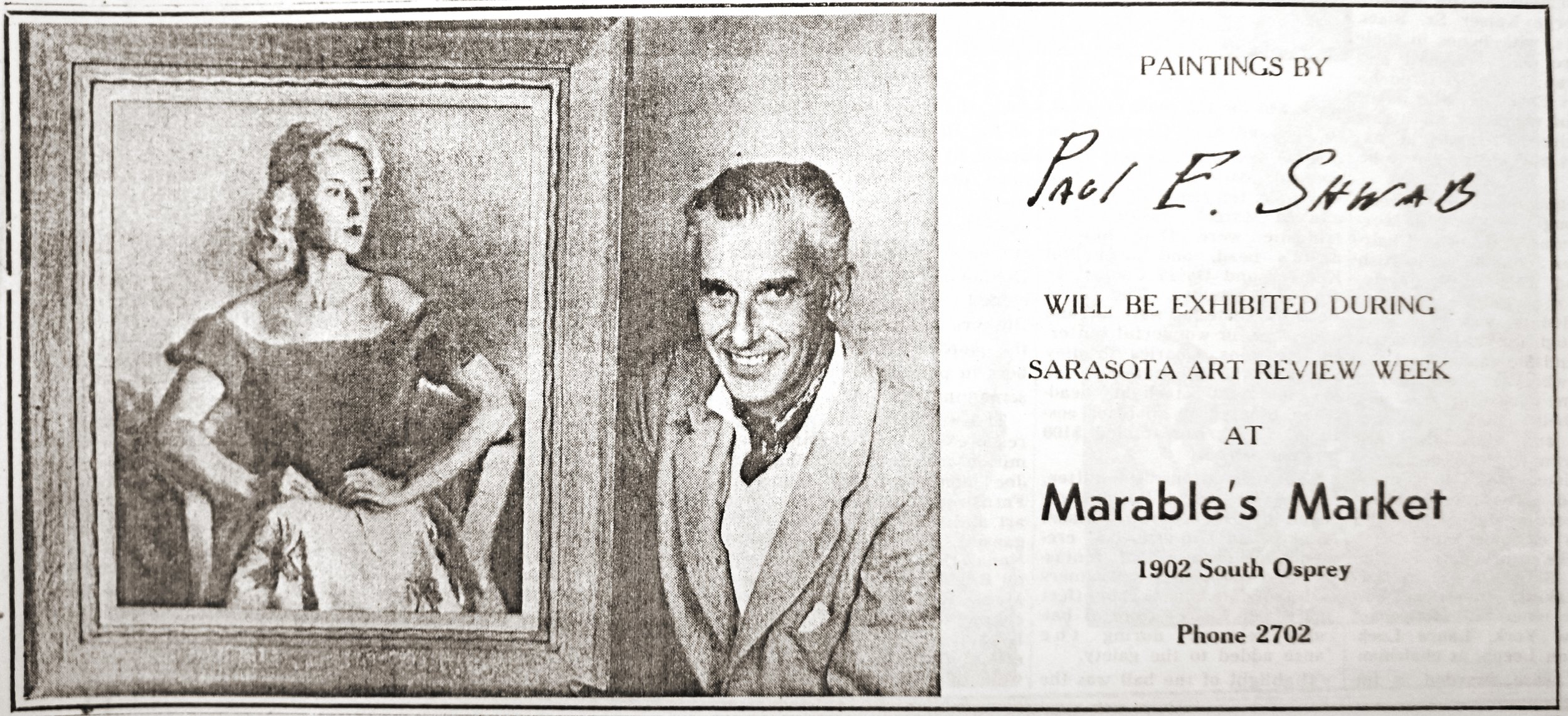
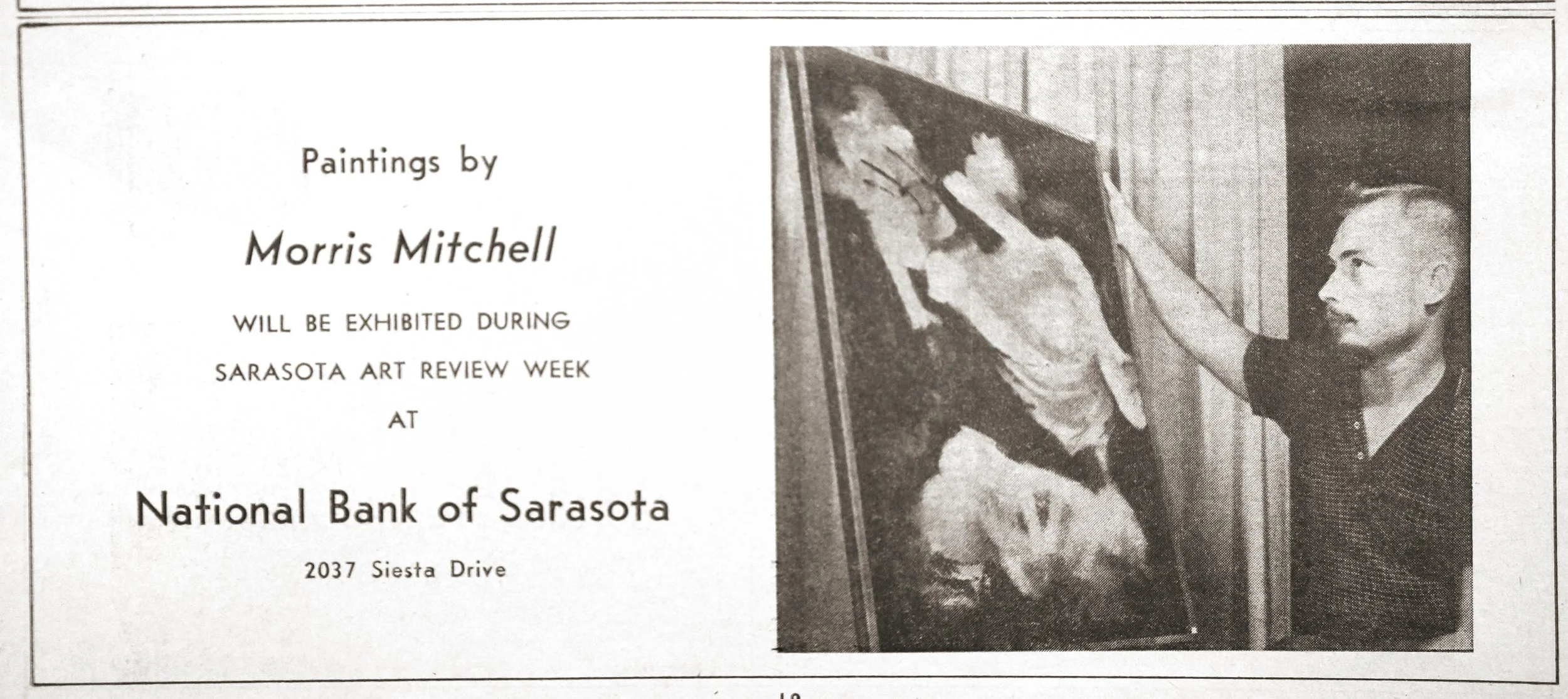
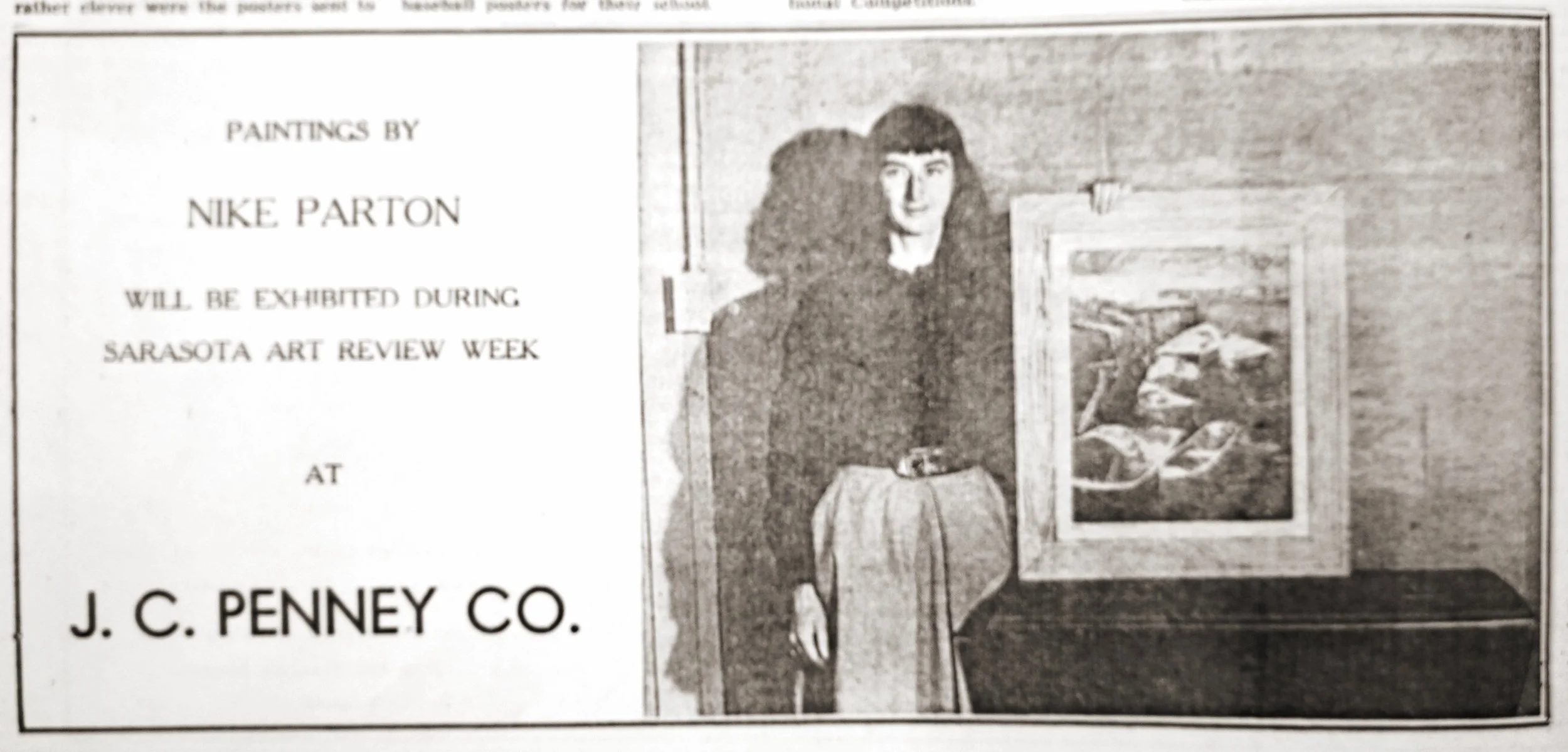
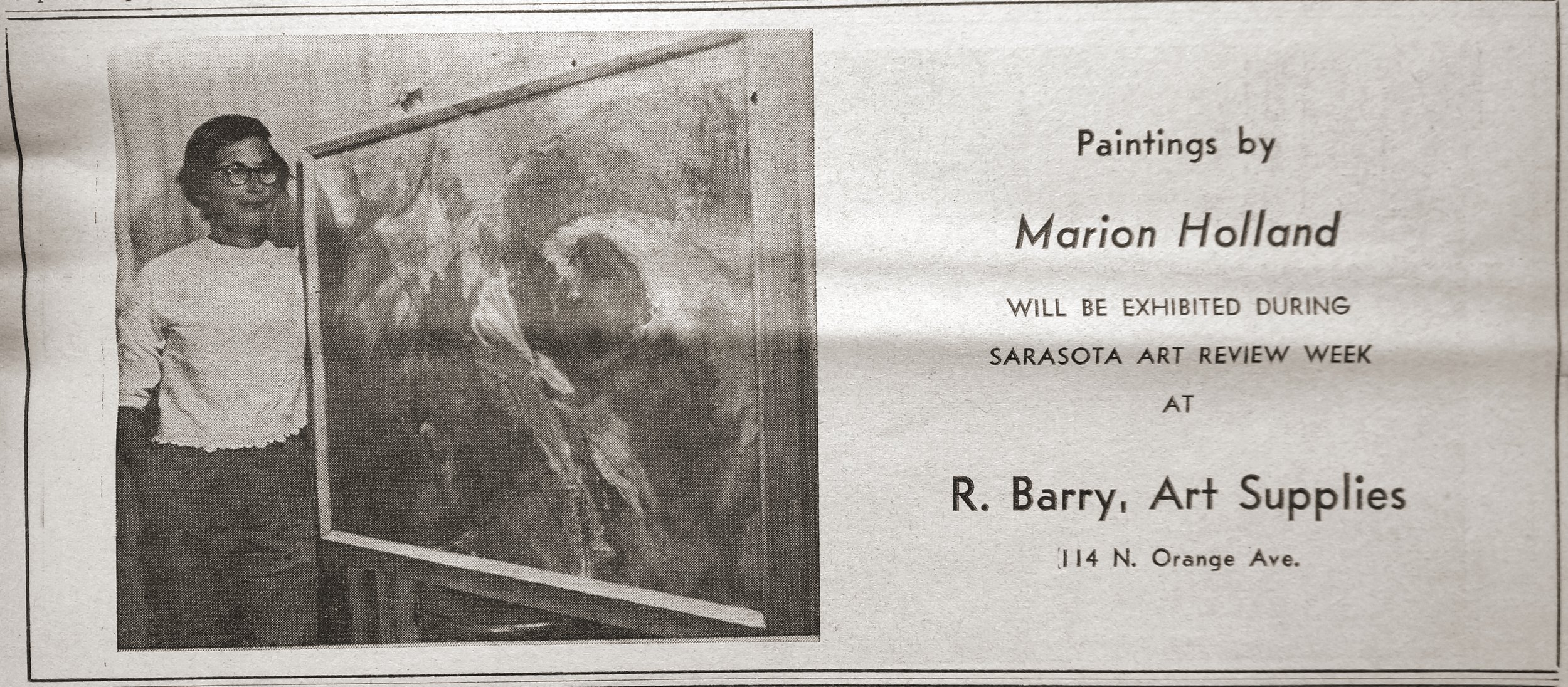
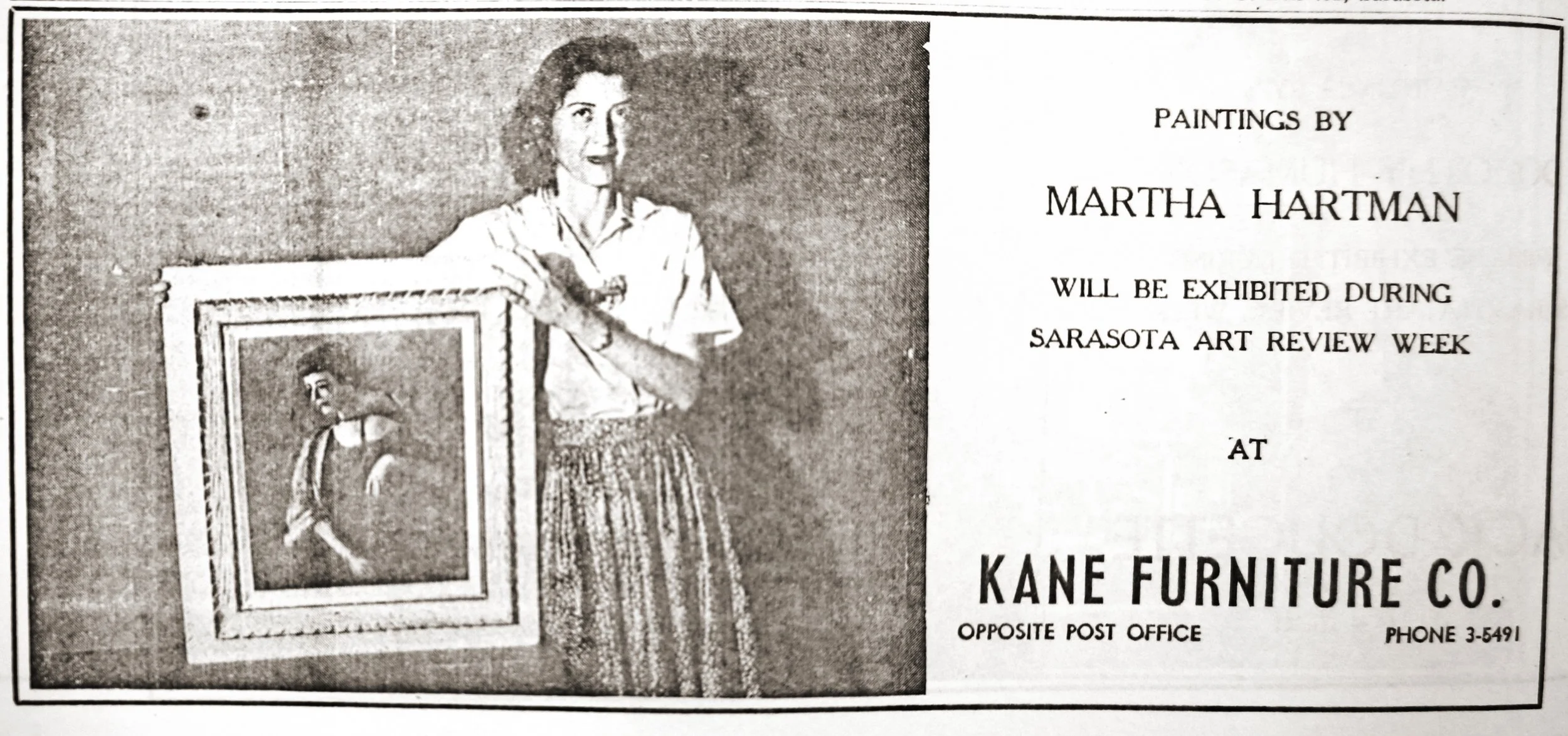
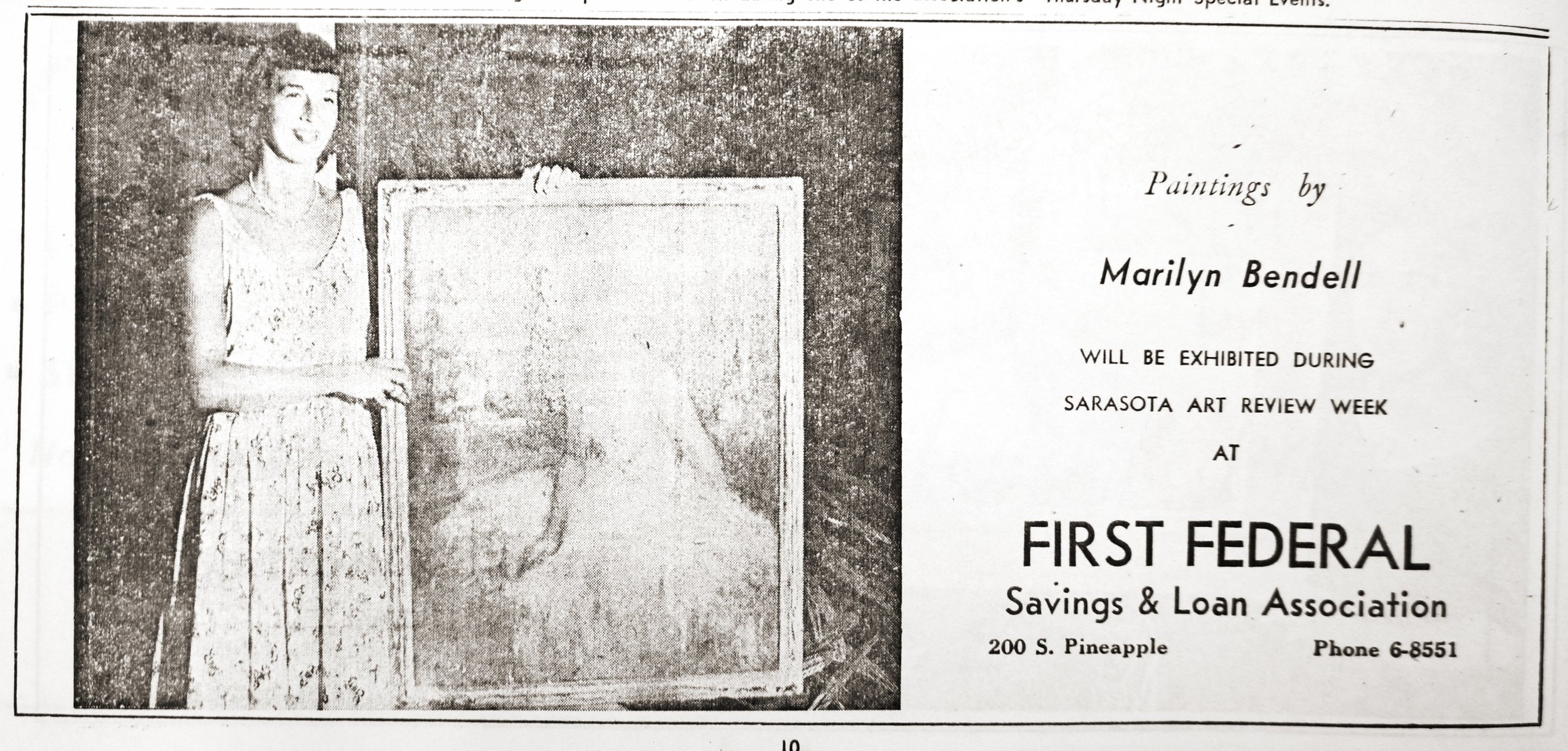
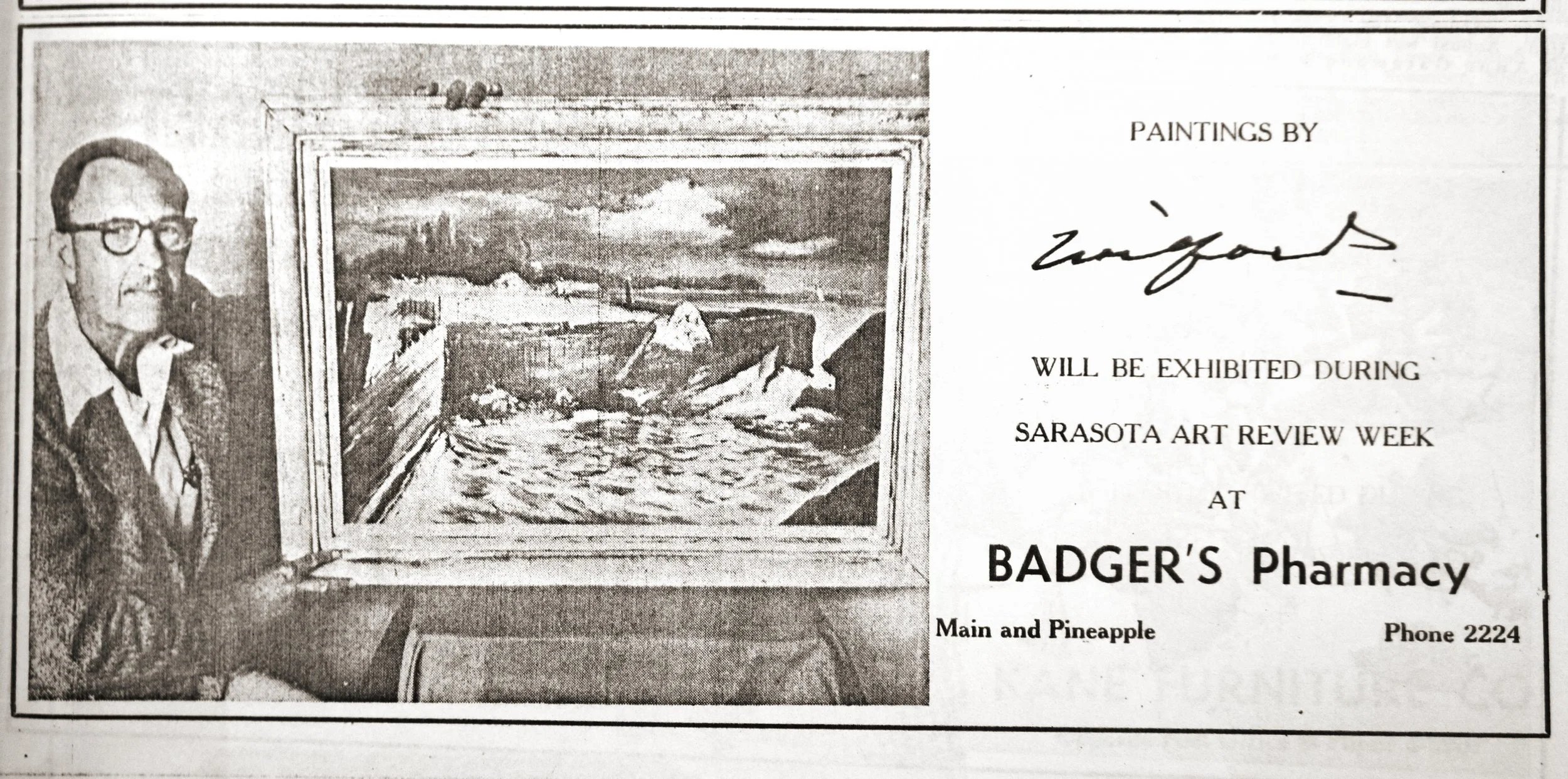
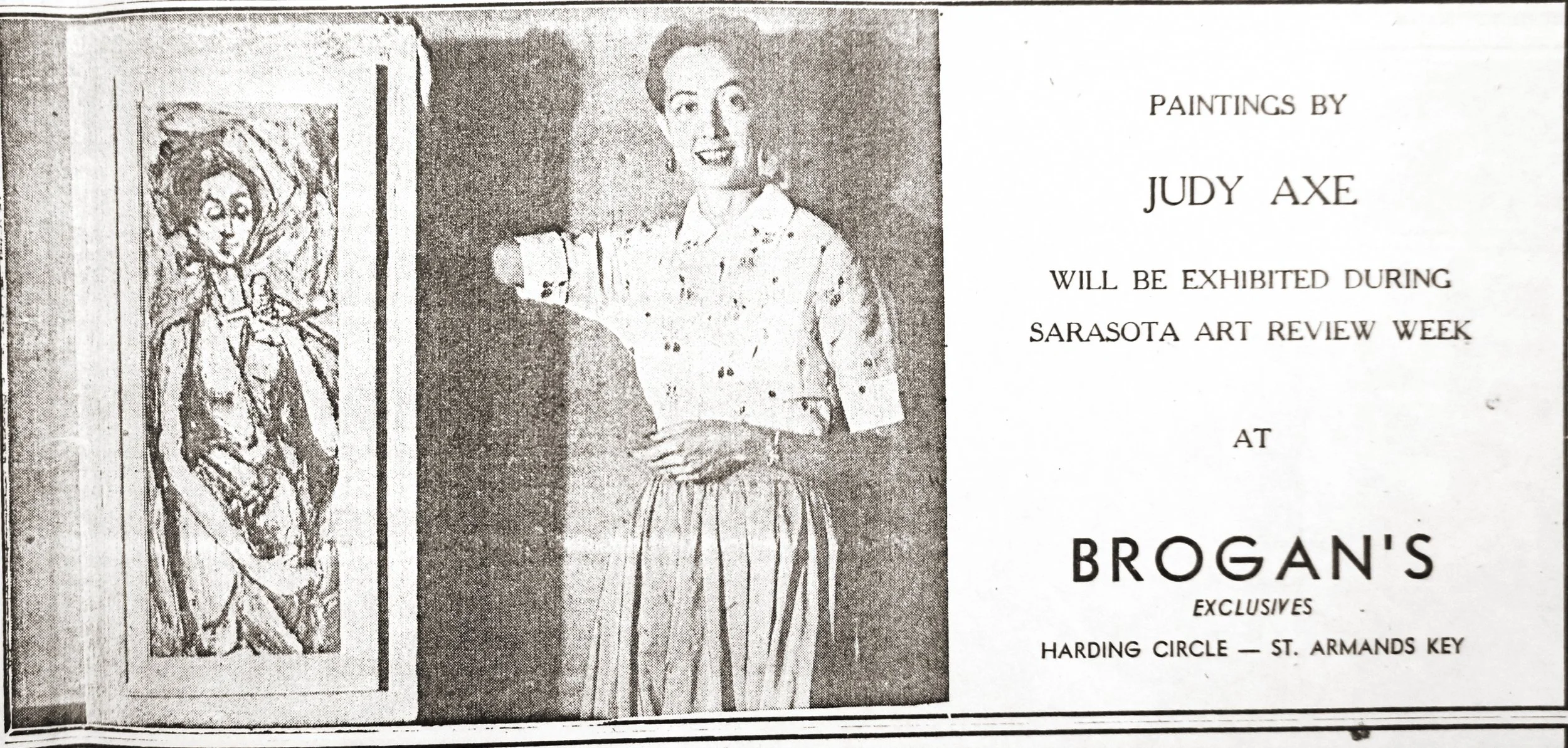
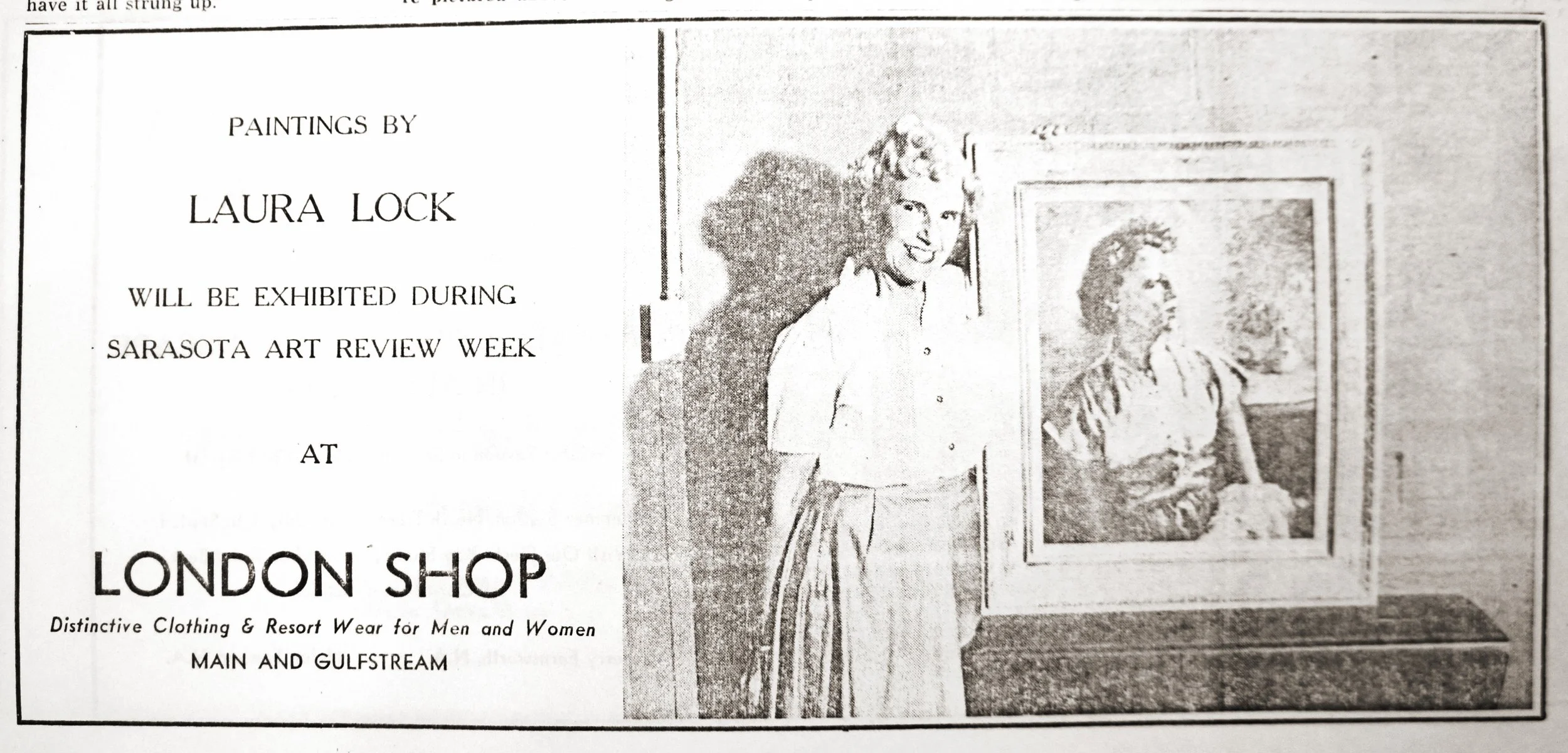
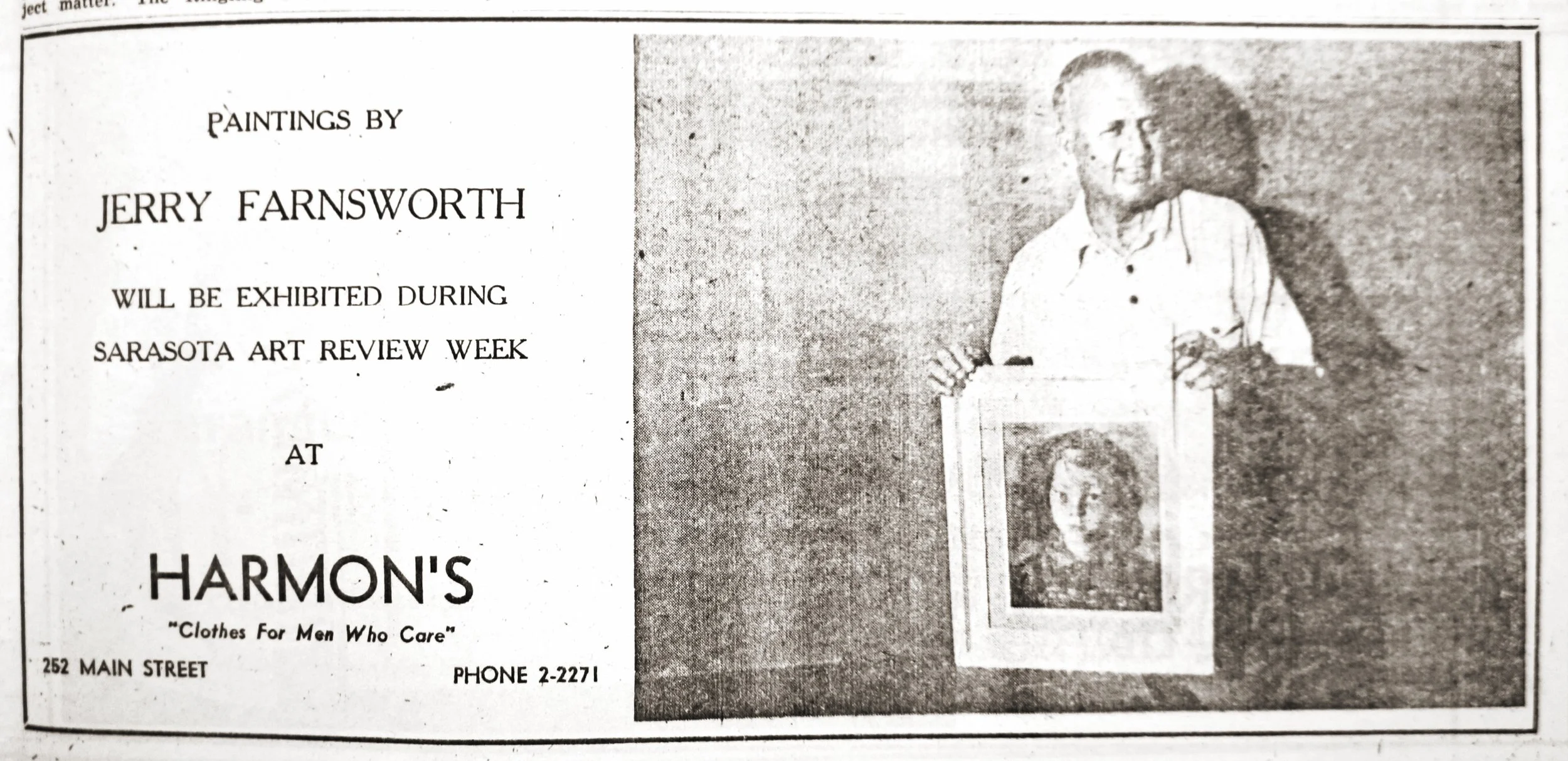
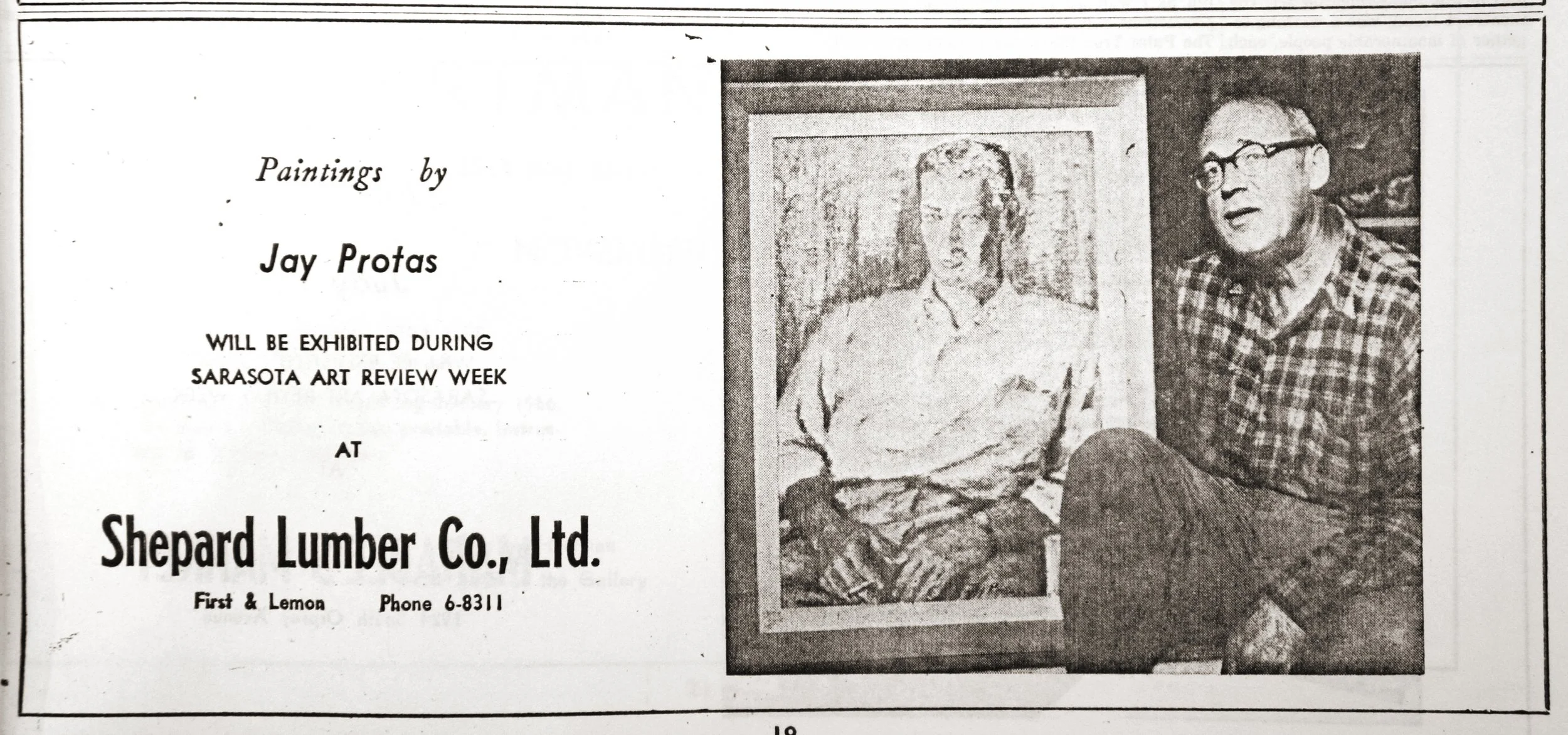
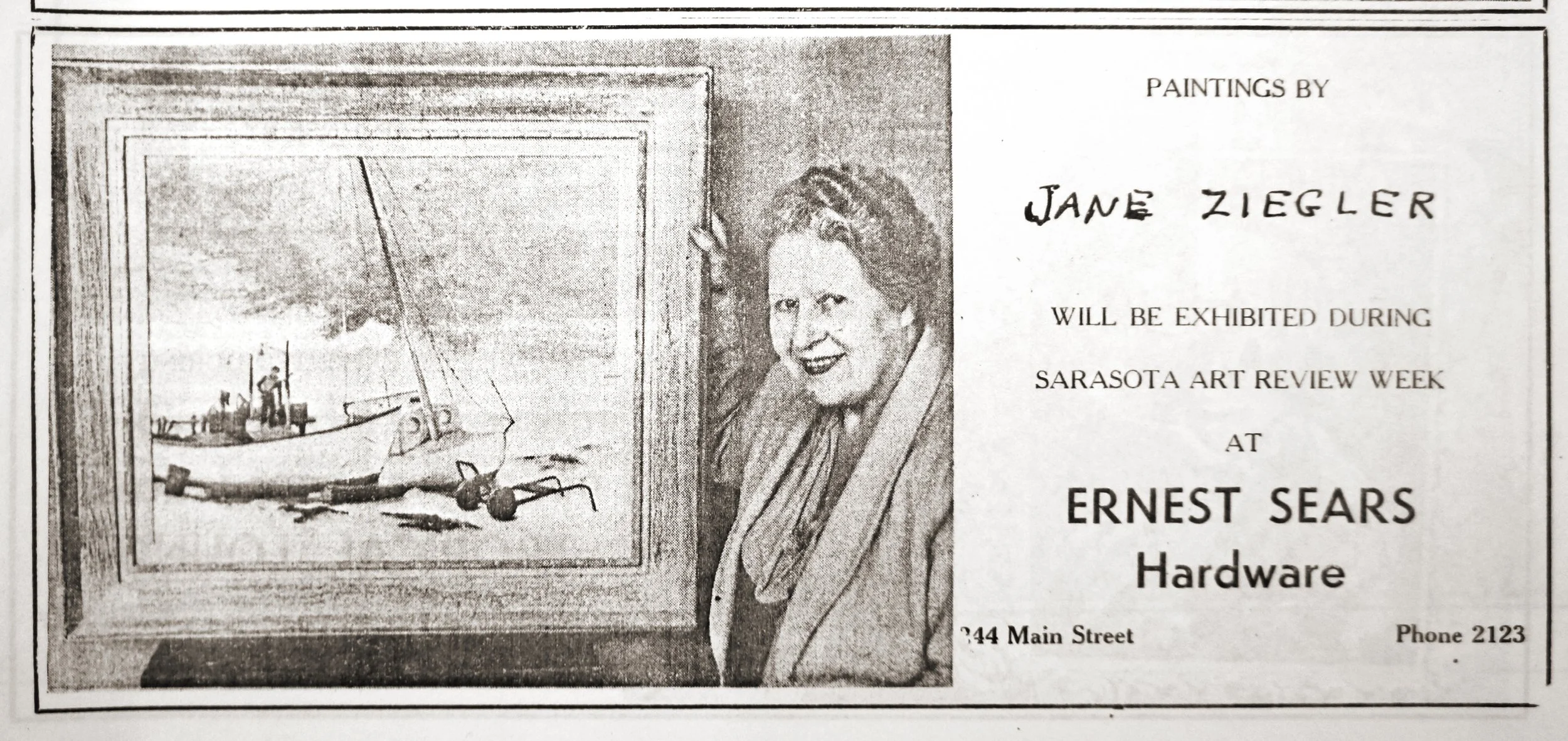
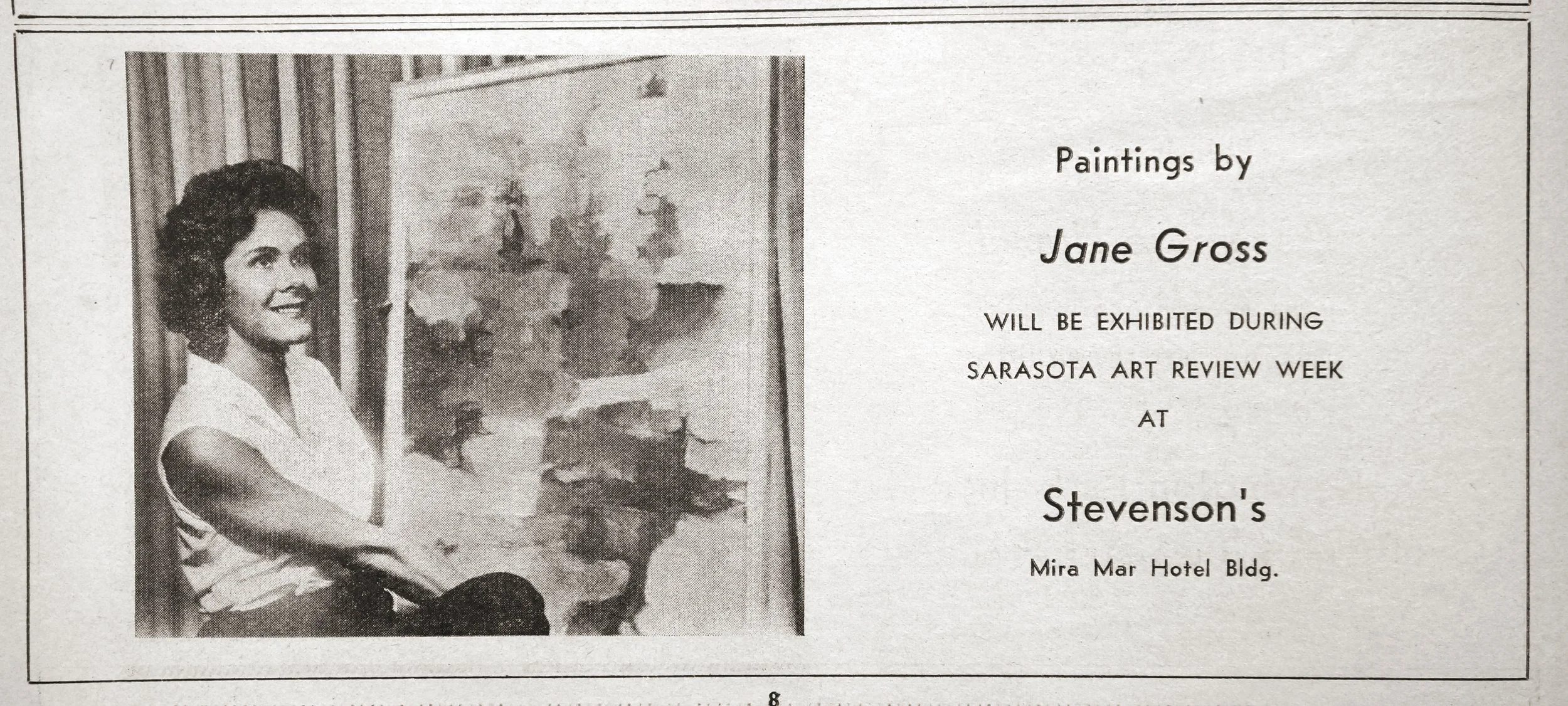
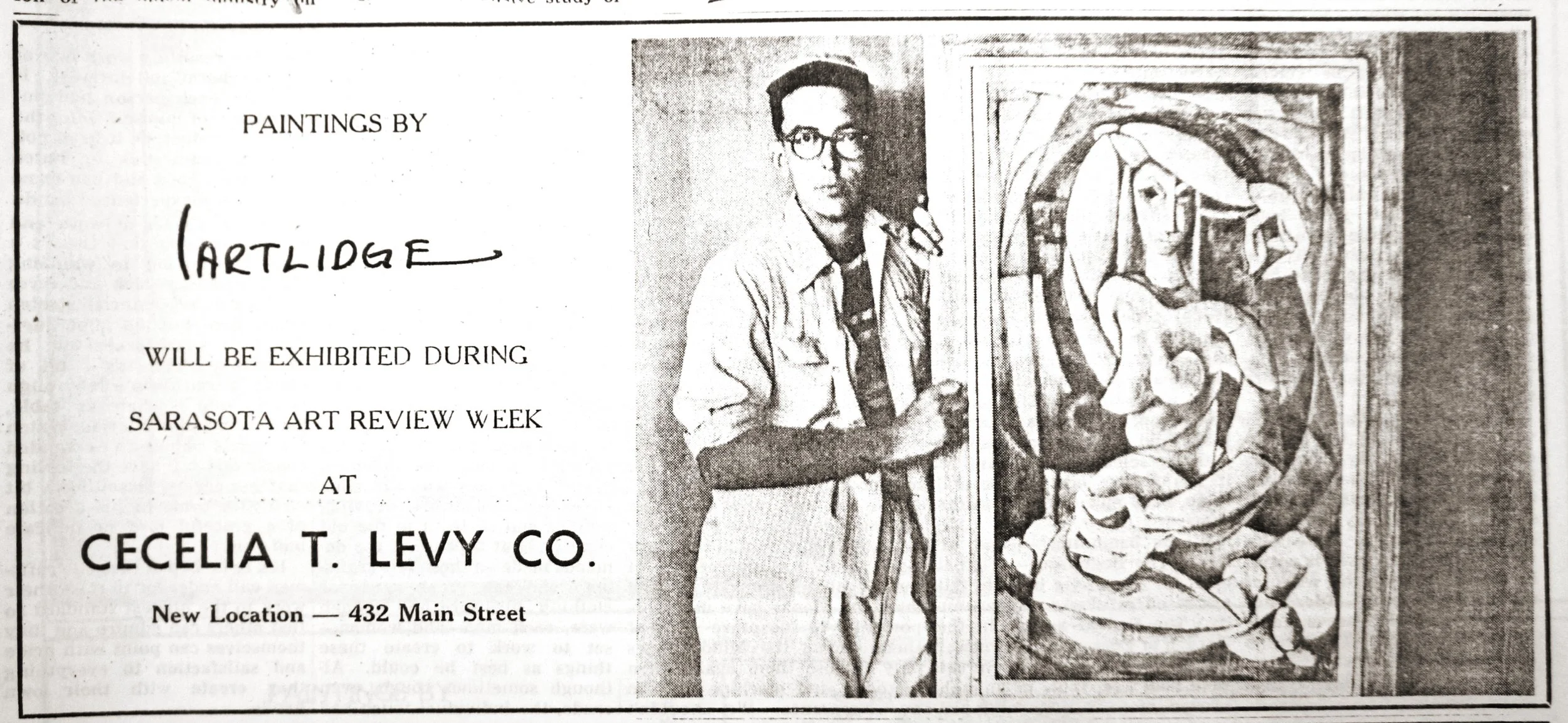
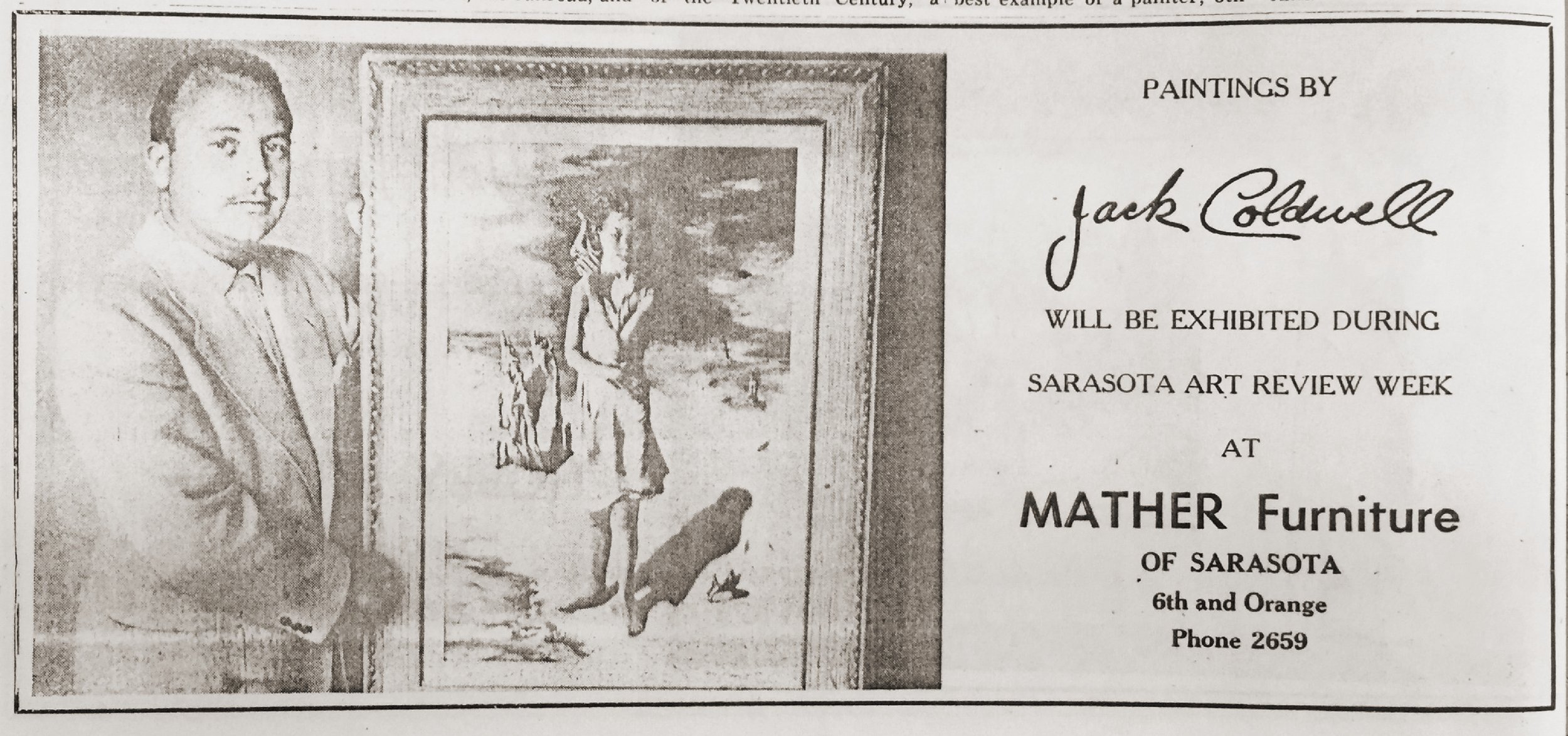
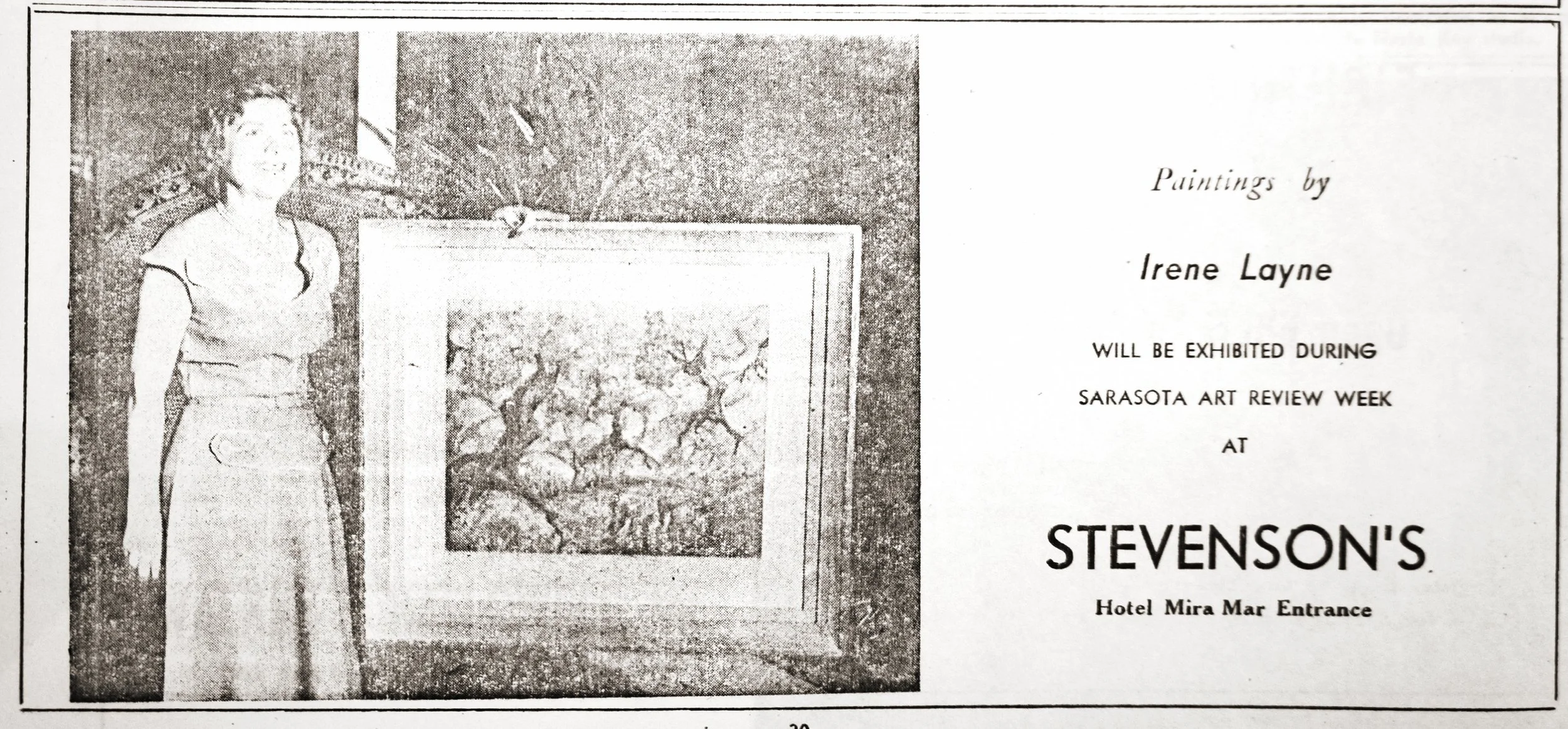
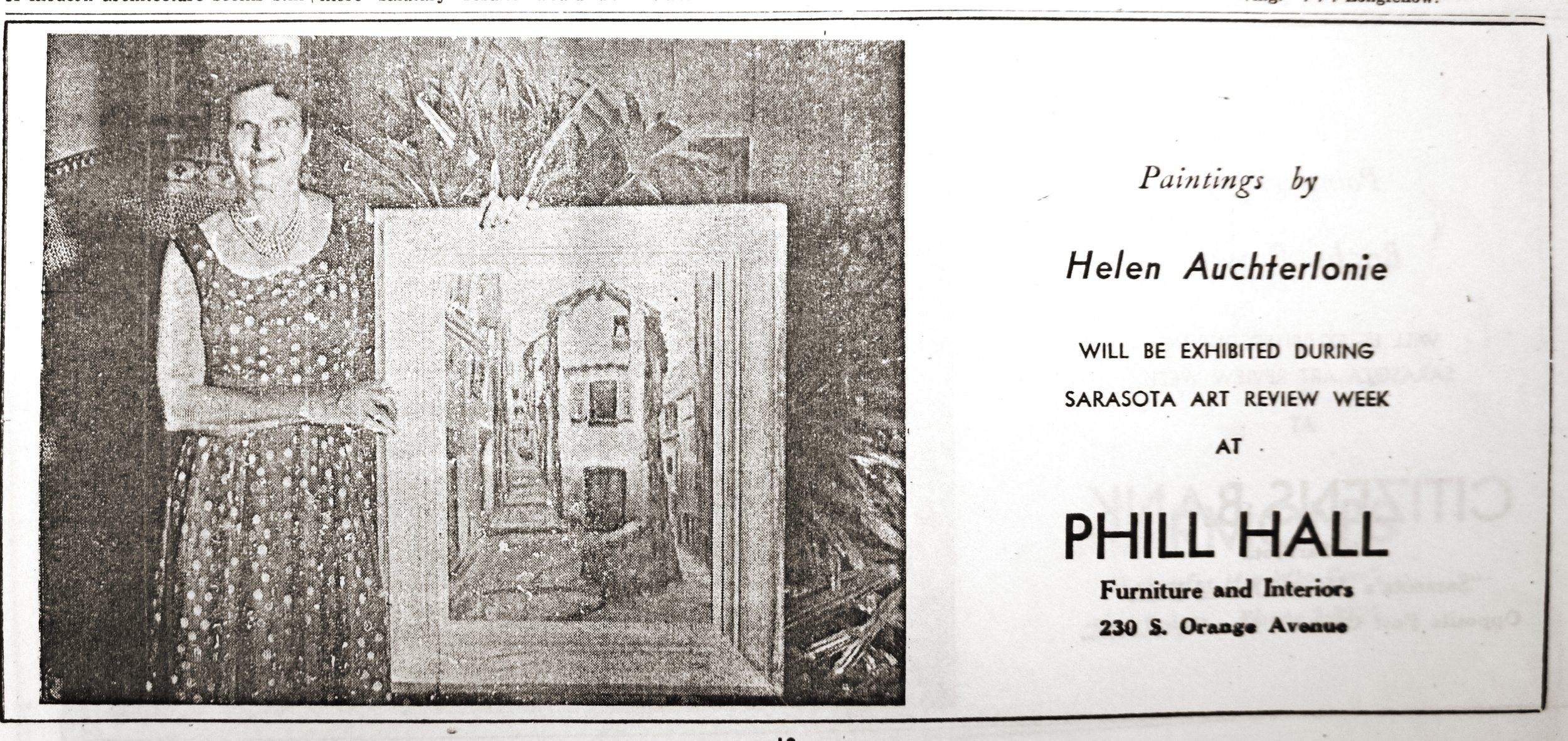
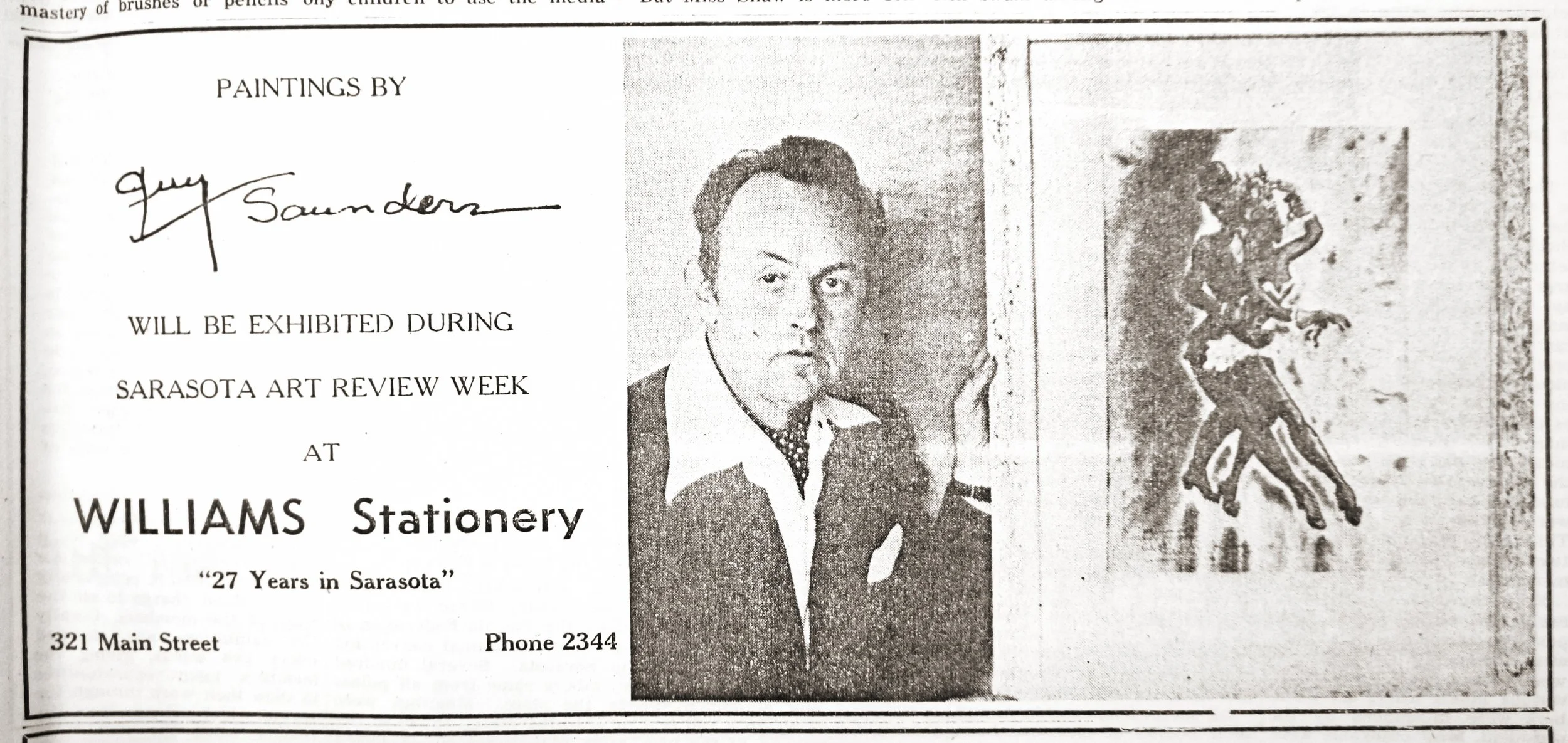
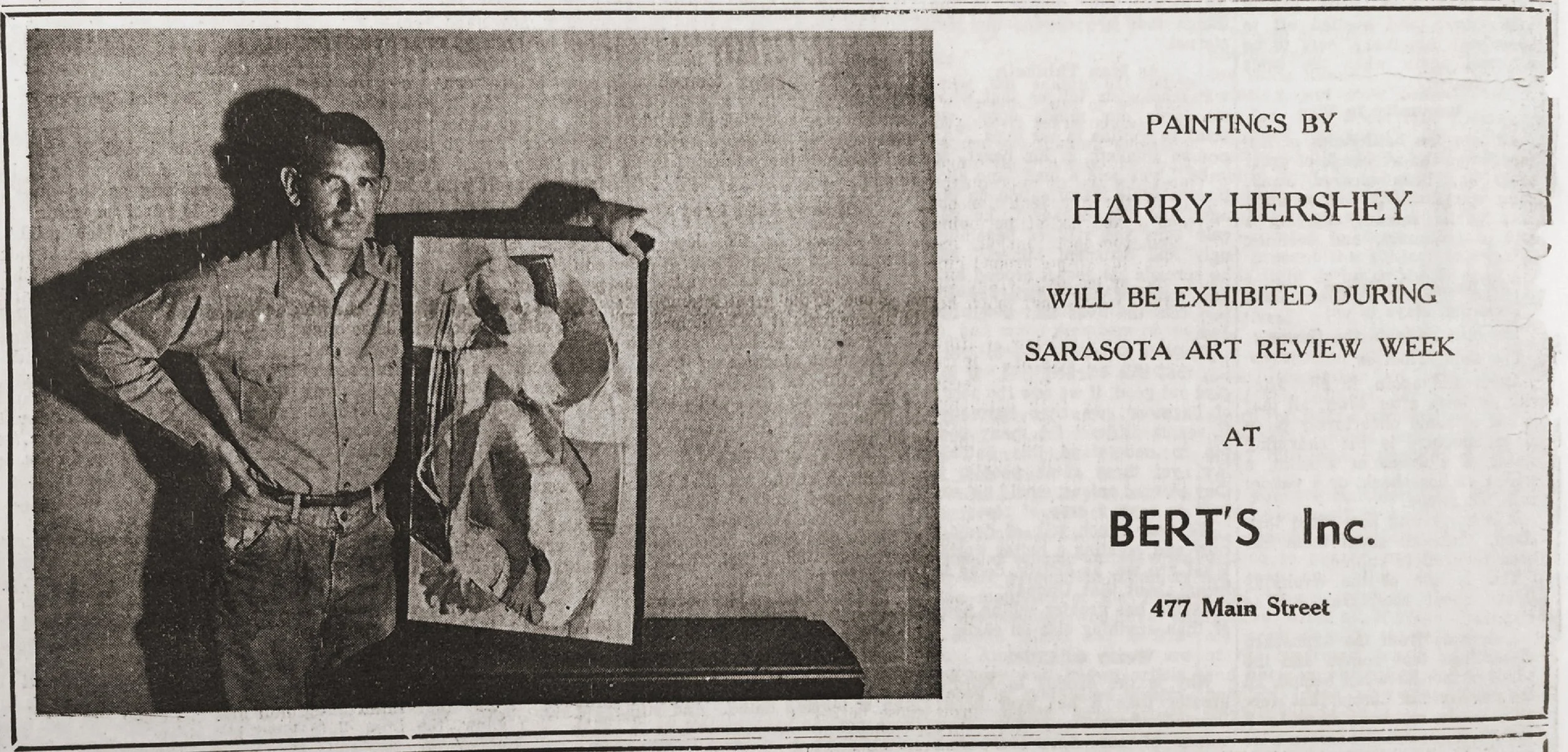
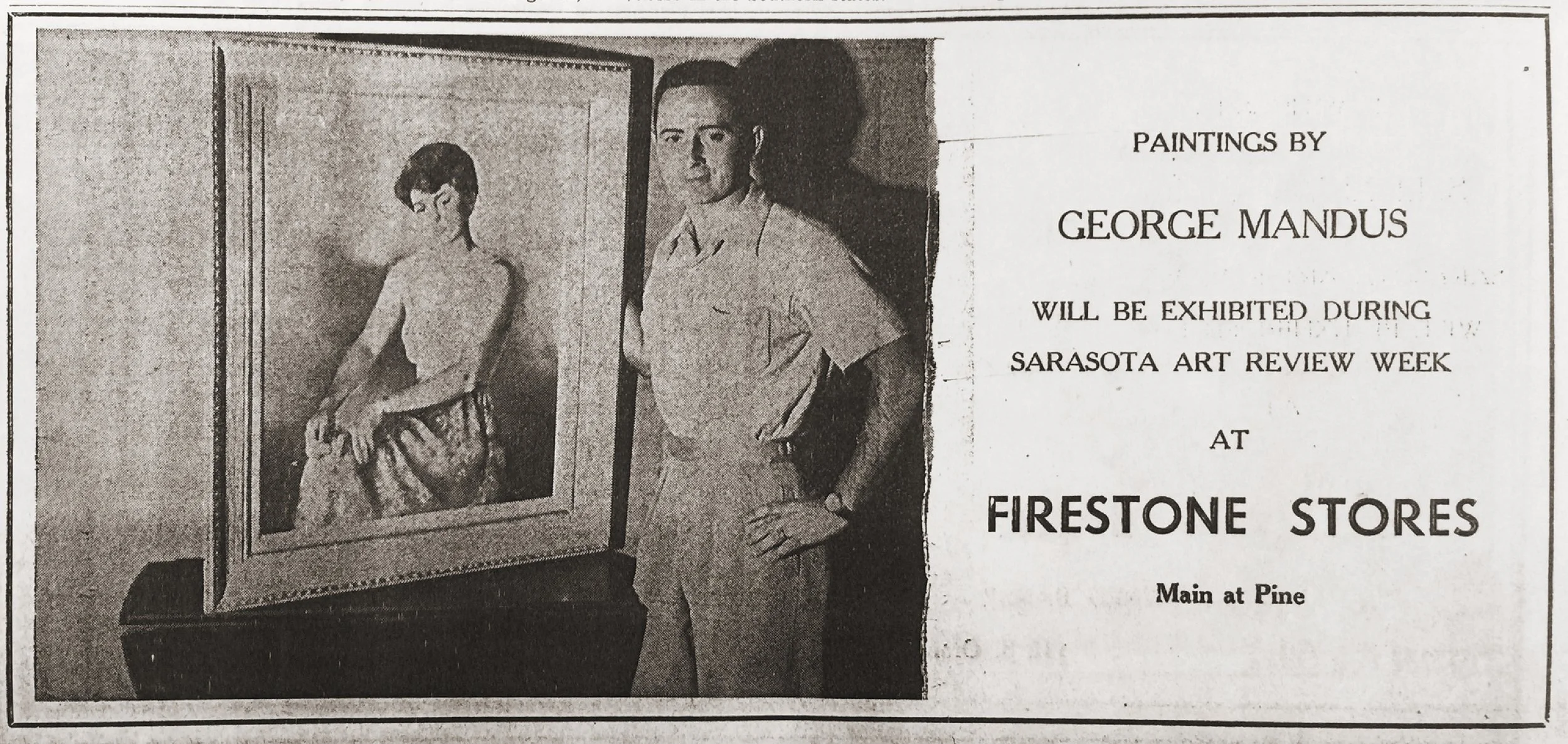
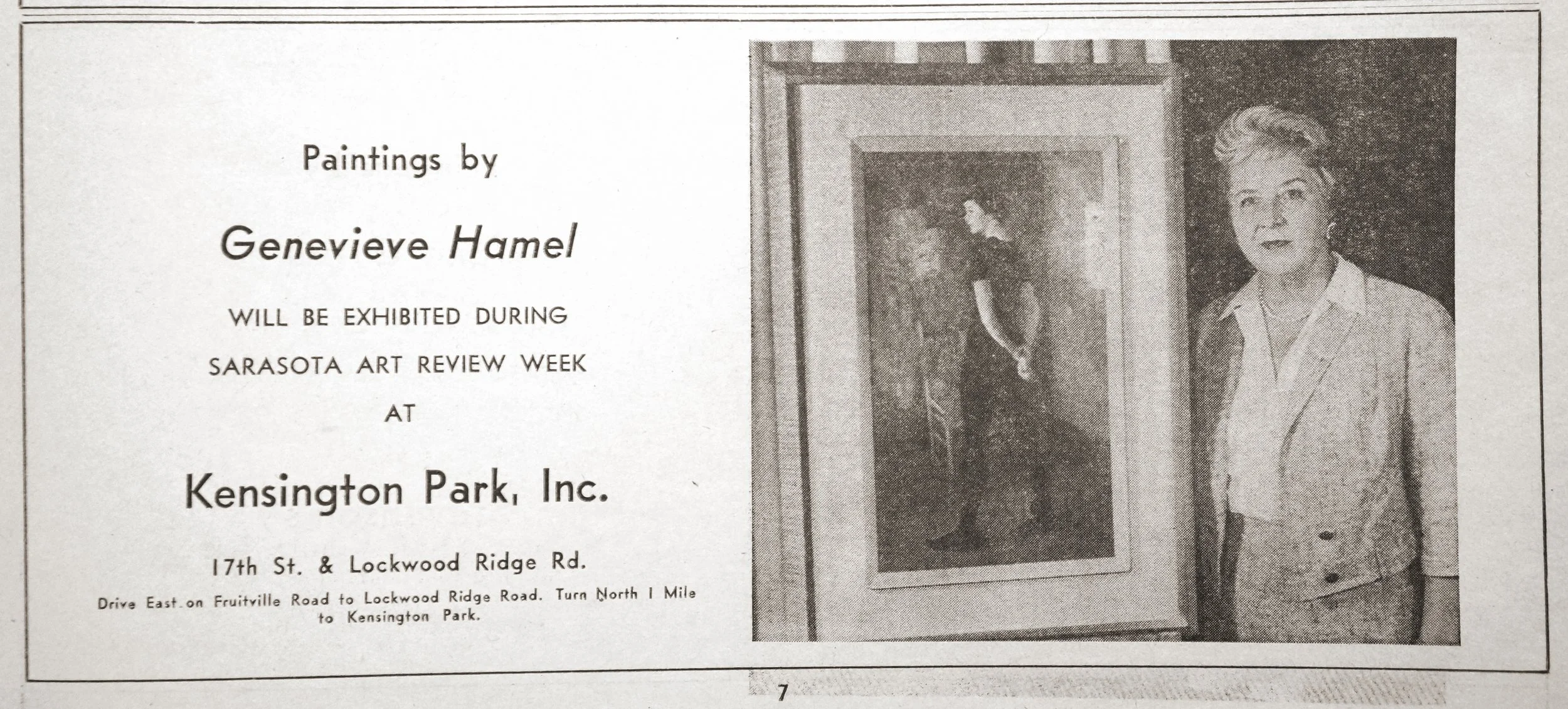
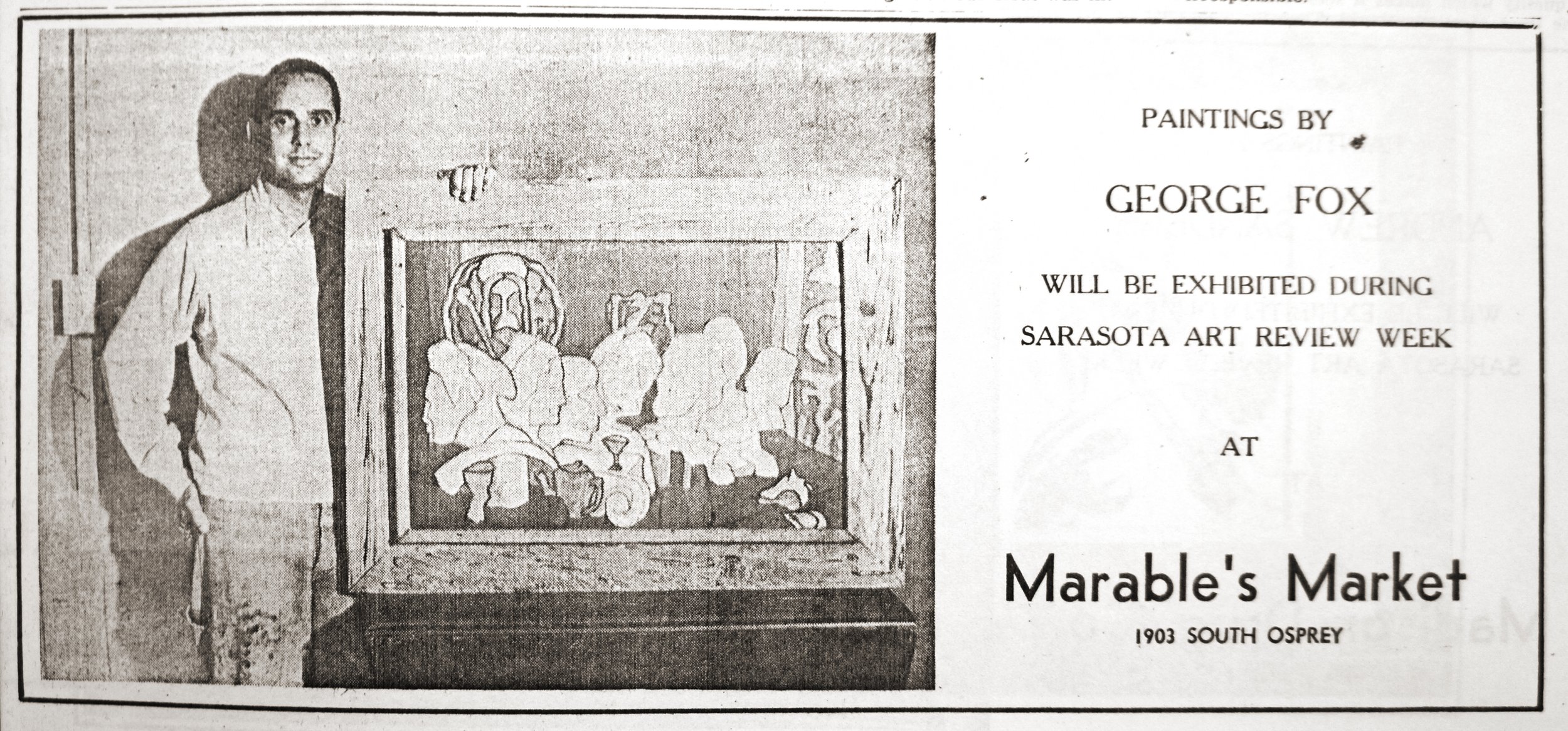
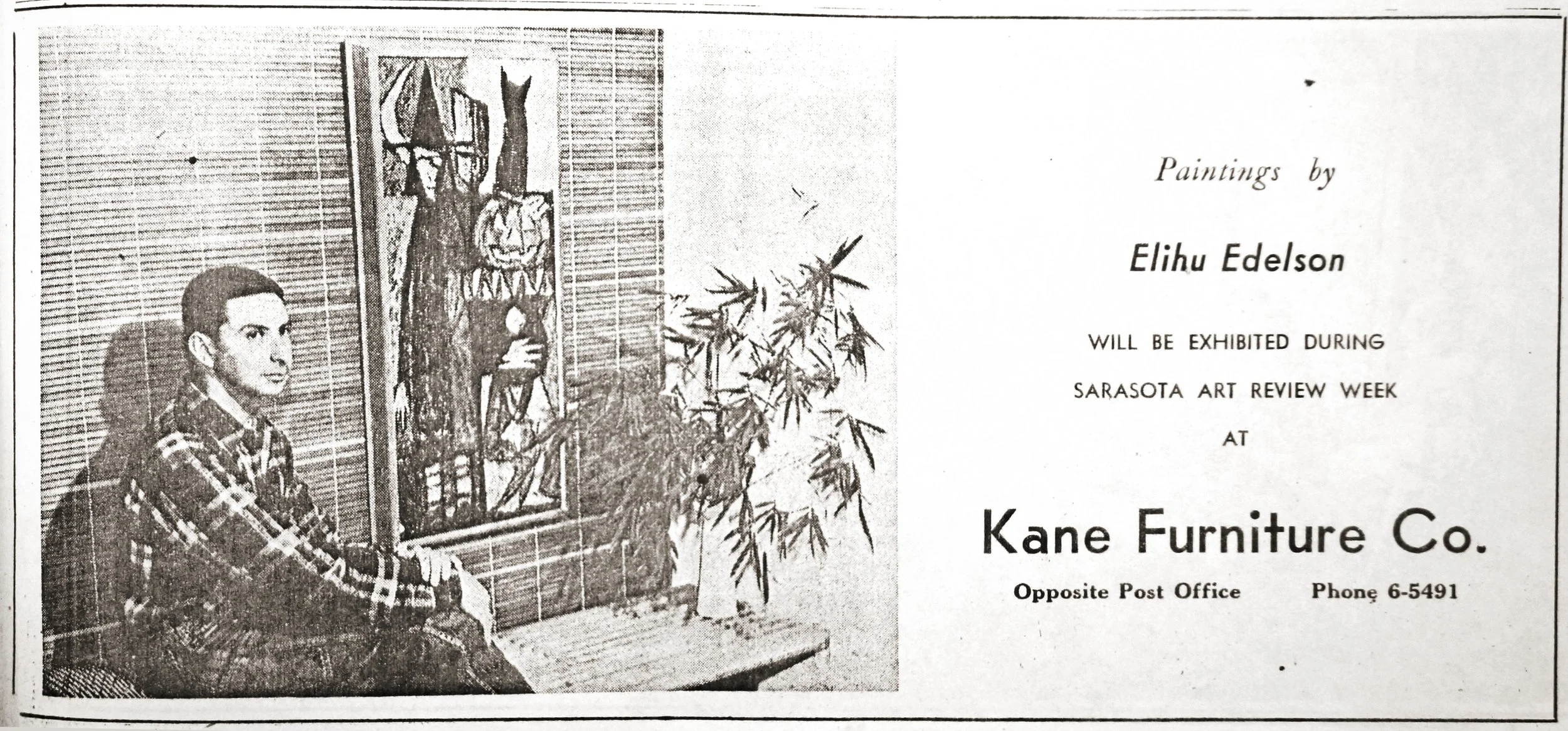
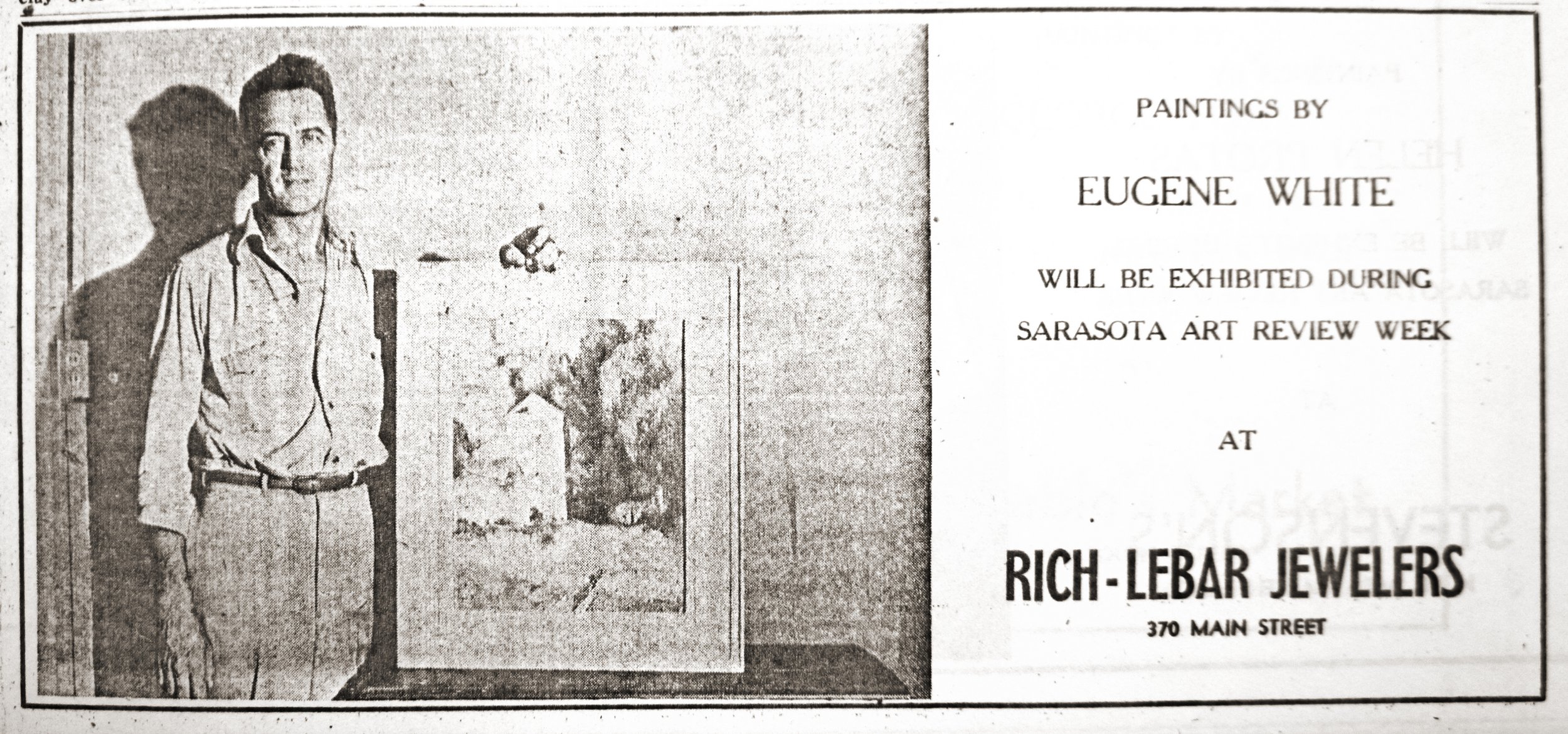
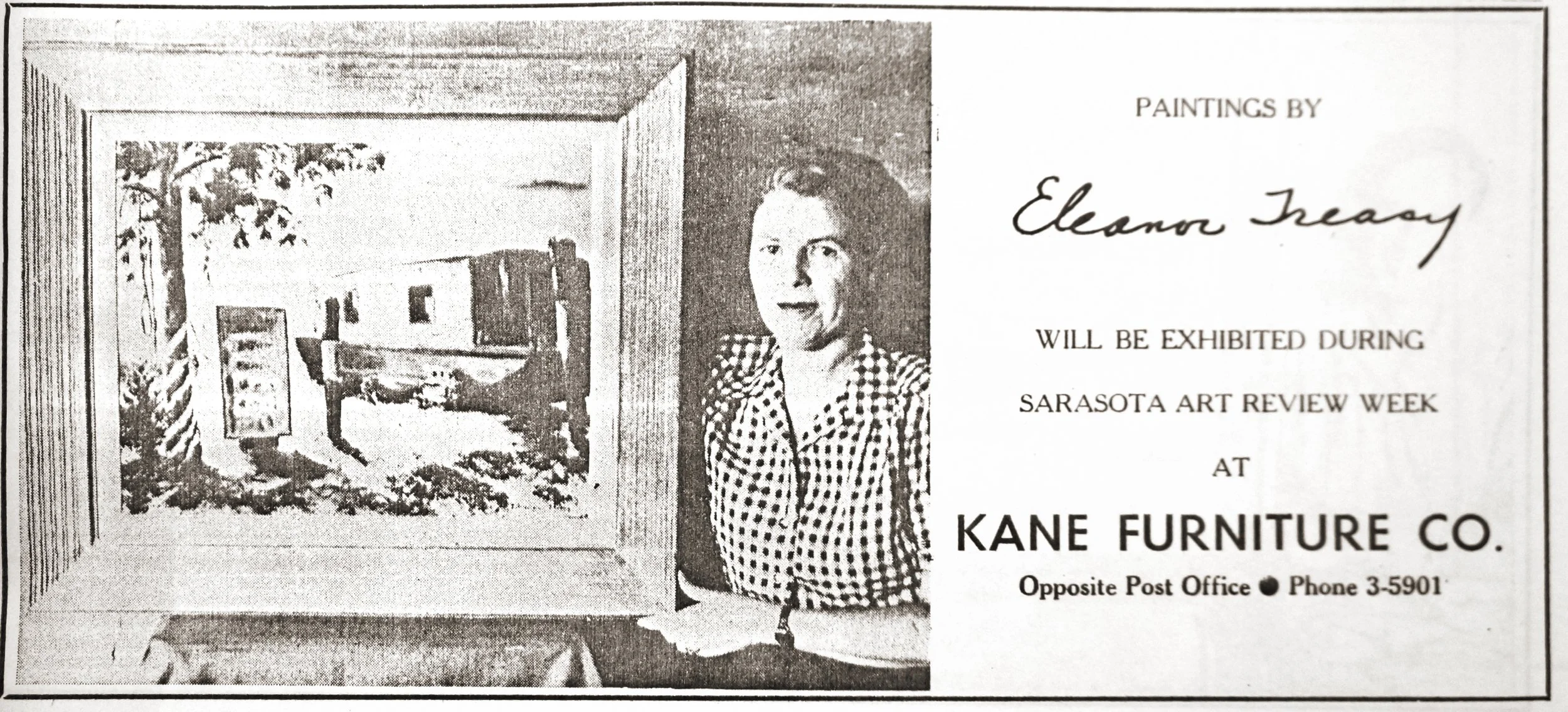
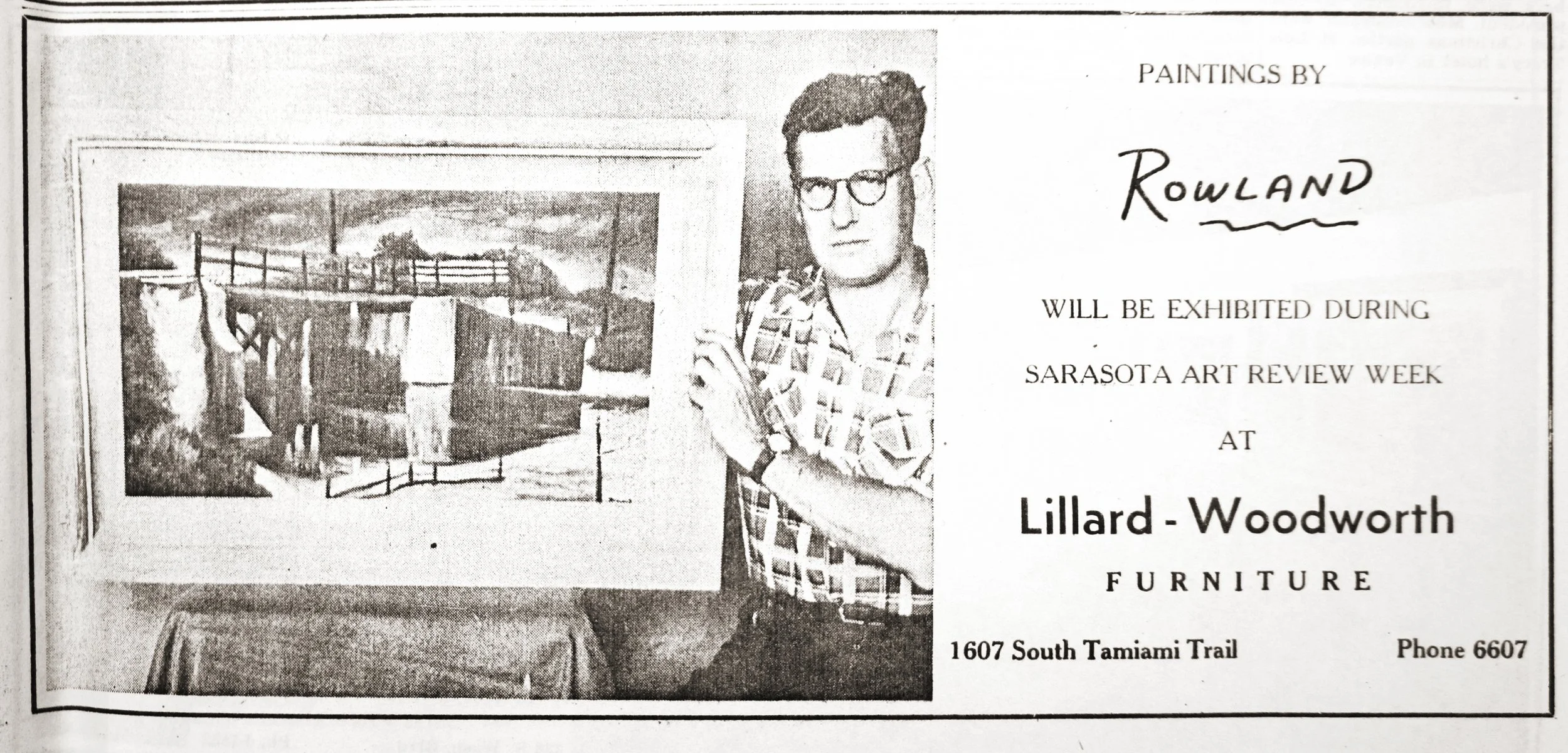
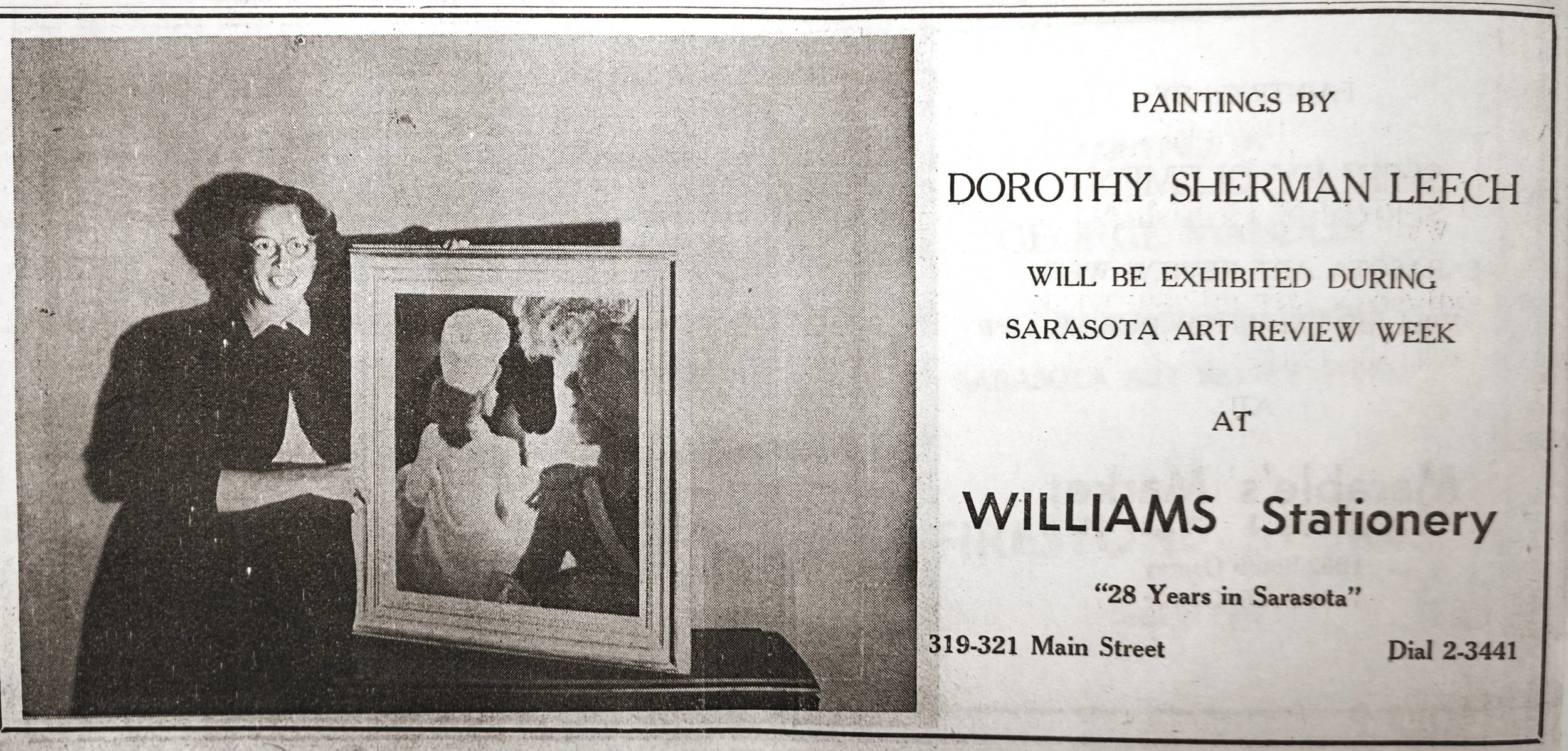
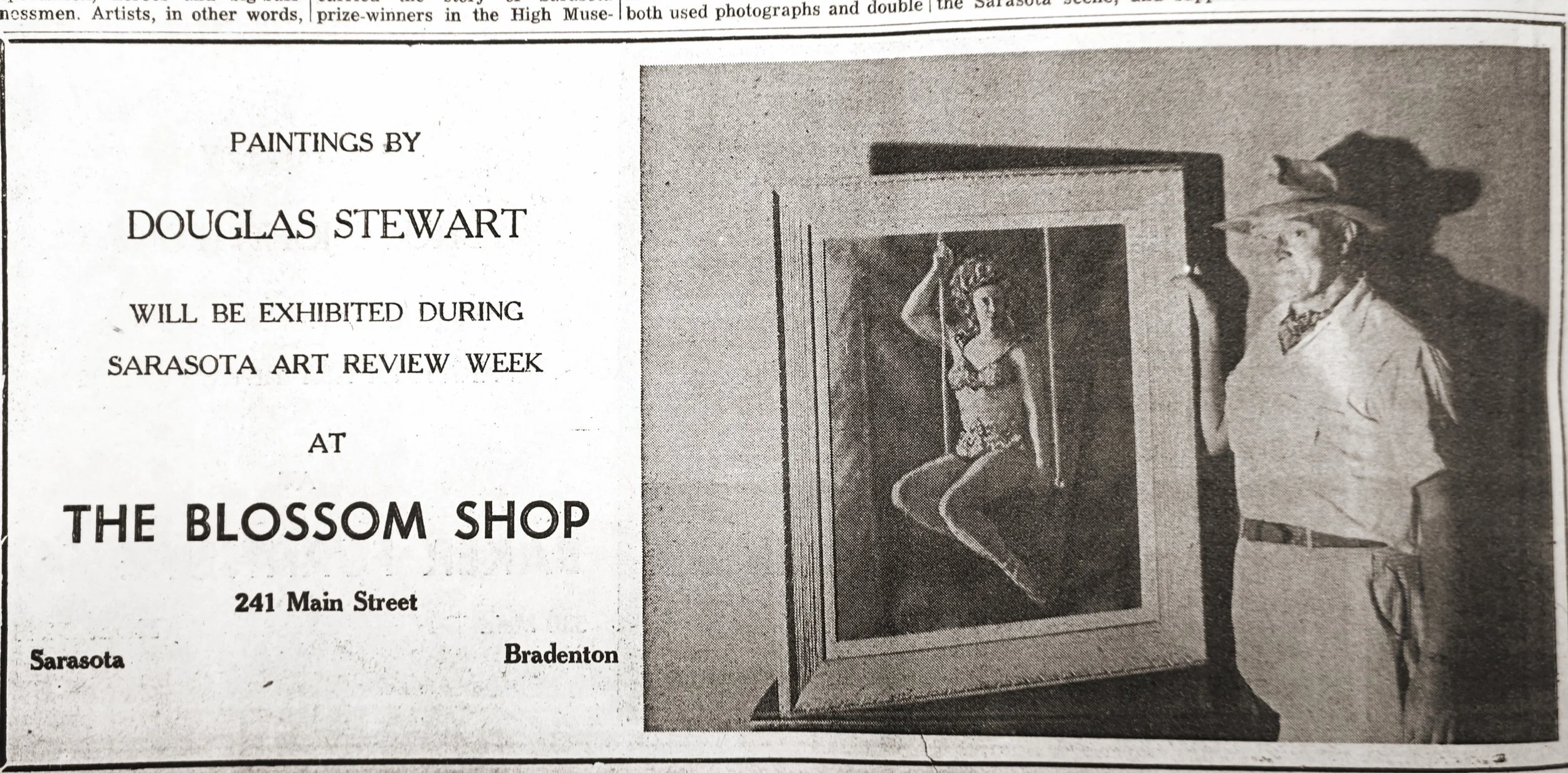
Published annually from 1950 to 1959, the Sarasota Arts Review was a special arts feature of the Sarasota Herald-Tribune. Within its pages, artists frequently placed advertisements showcasing their work, often sponsored by downtown Sarasota storefronts—reflecting a close relationship between the city’s creative community and its local businesses.
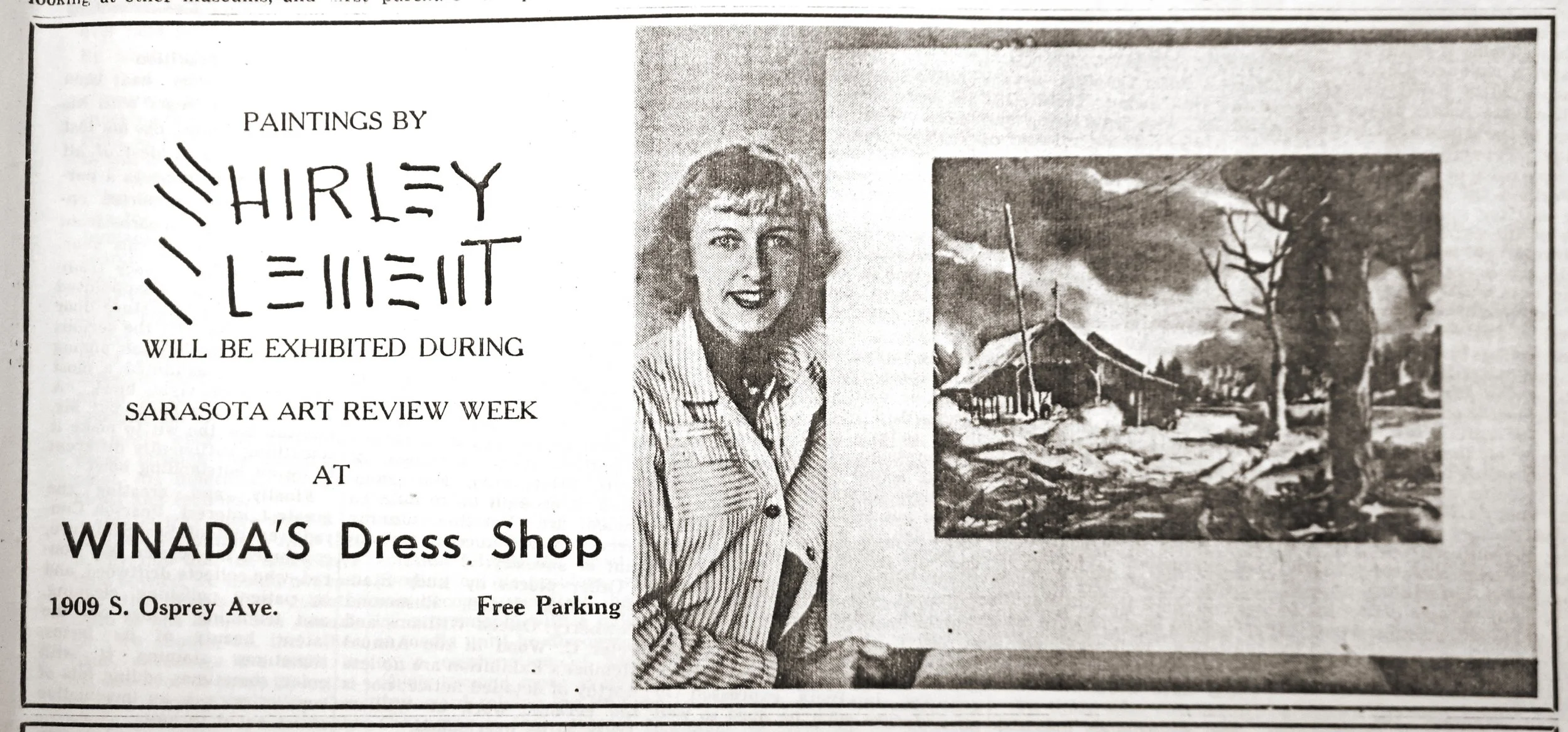
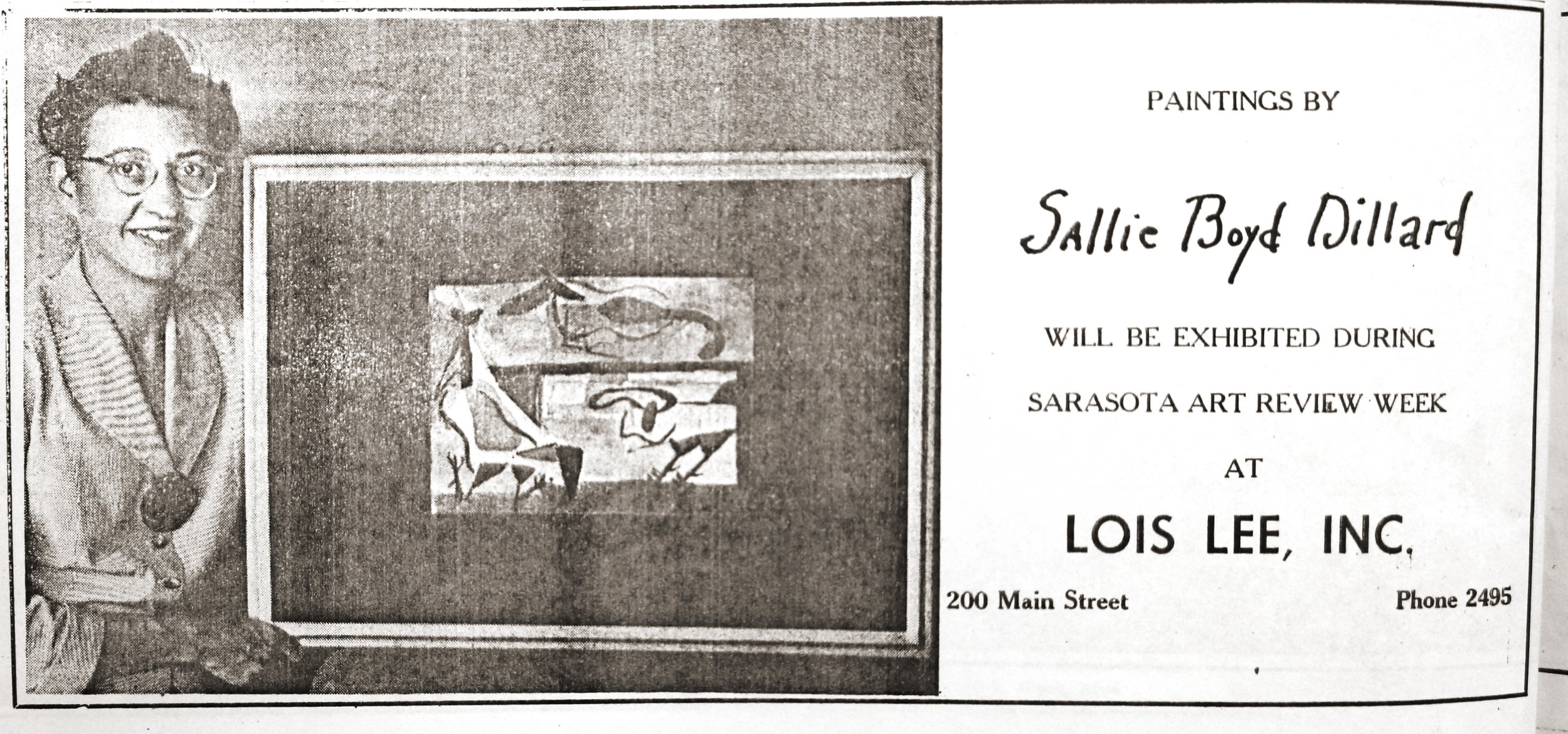
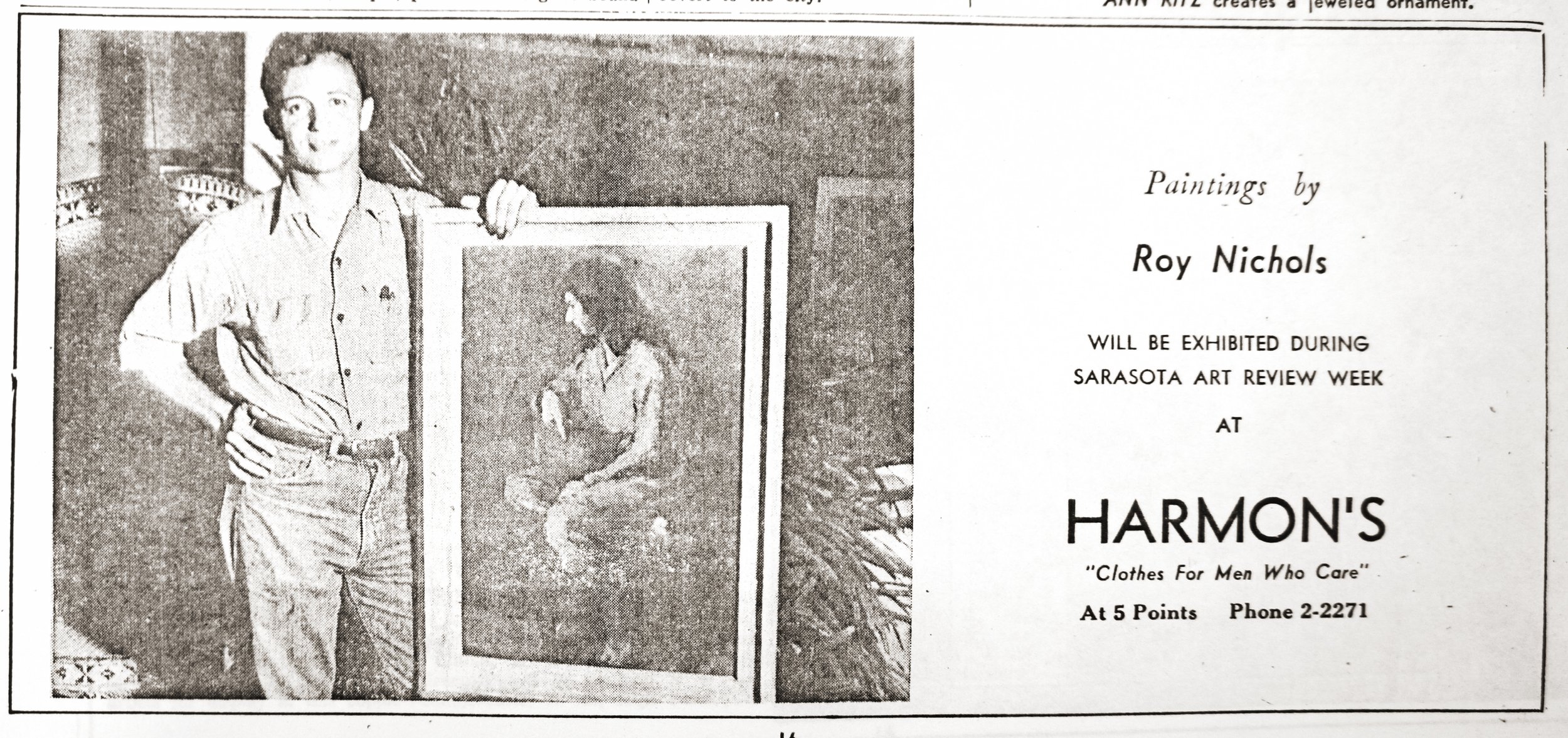
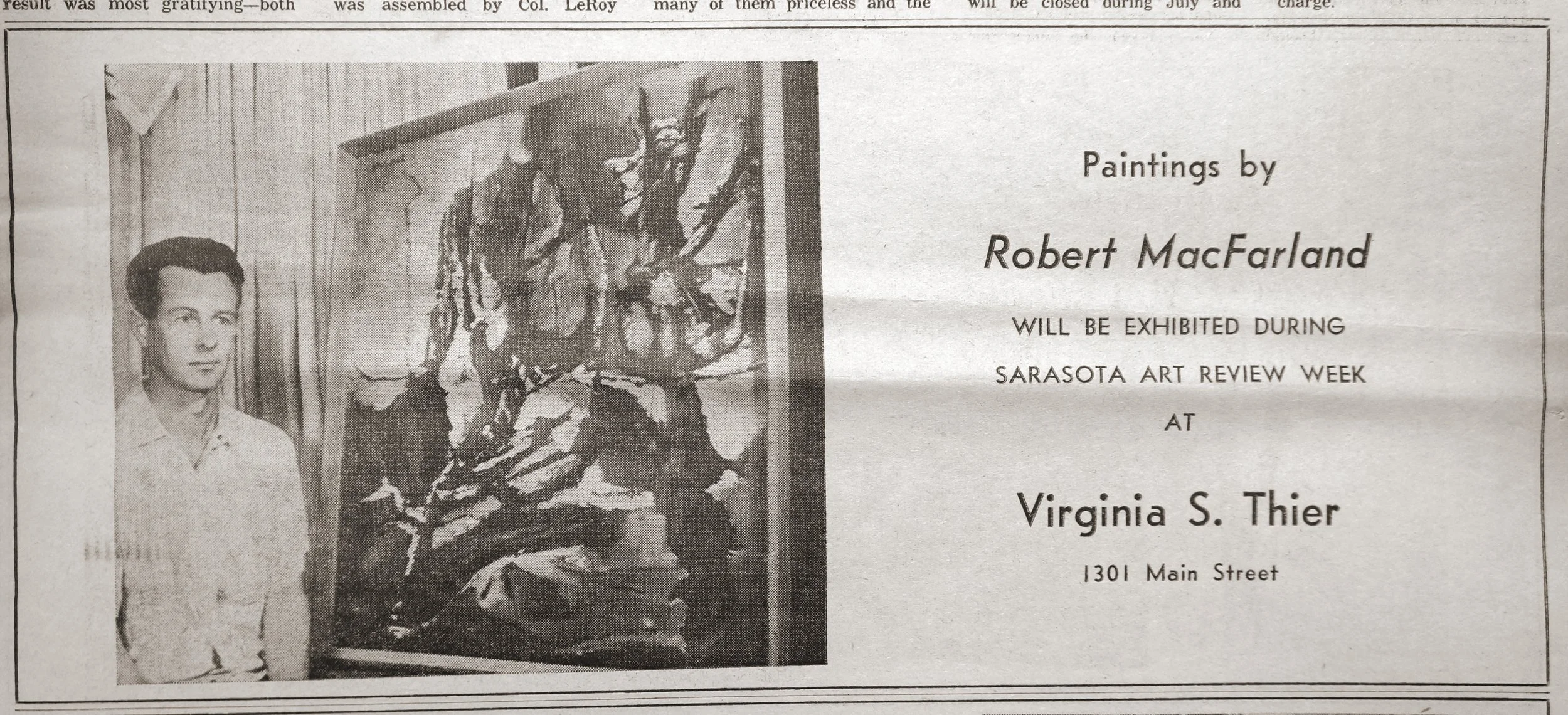
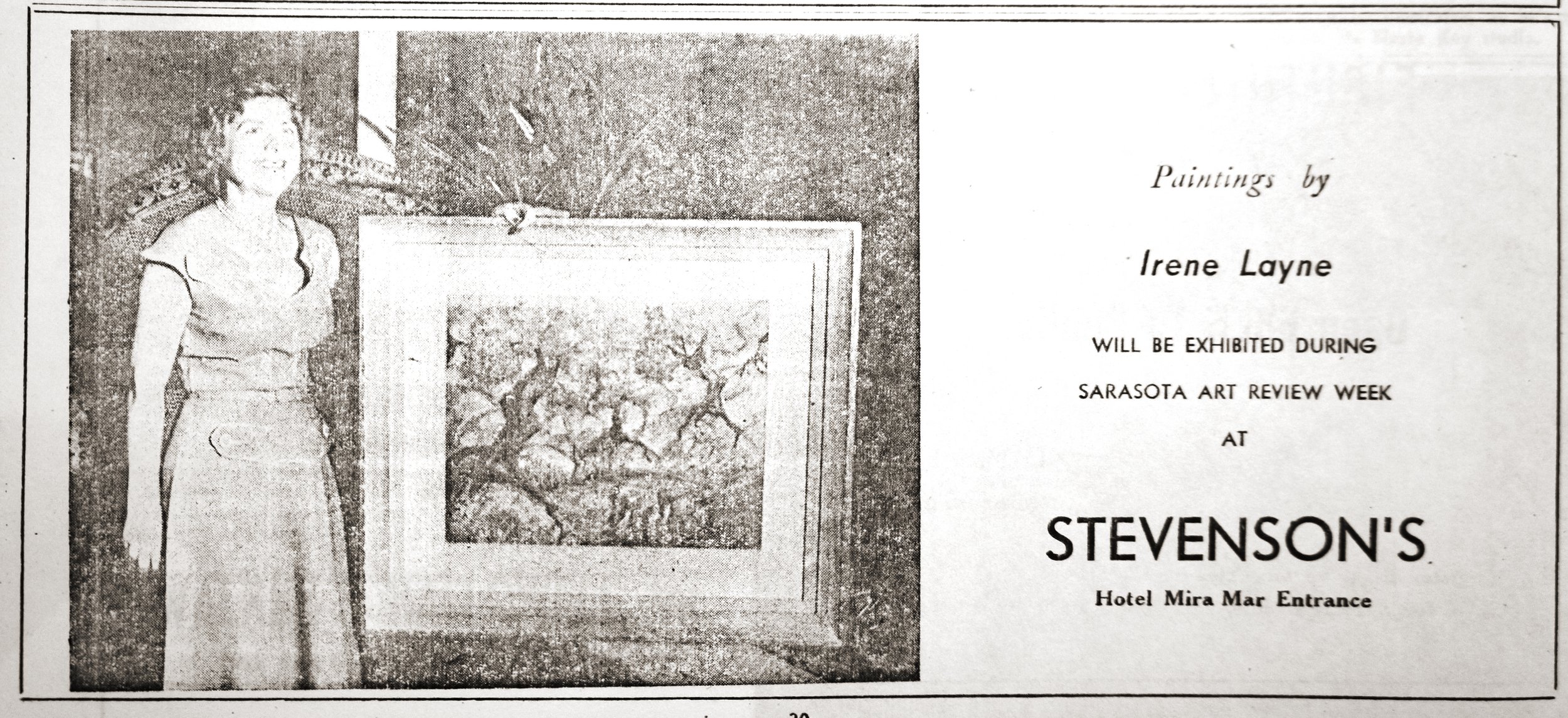
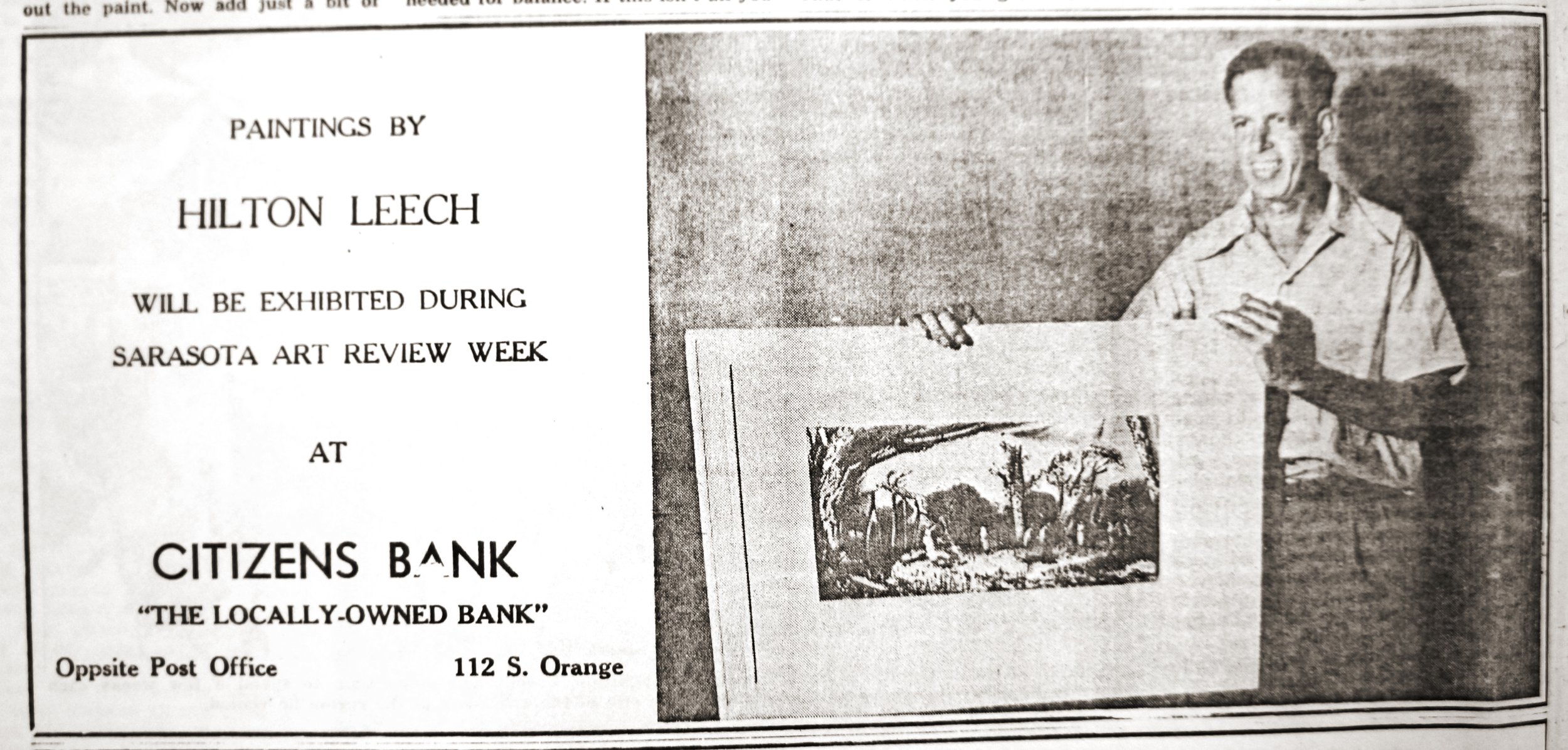
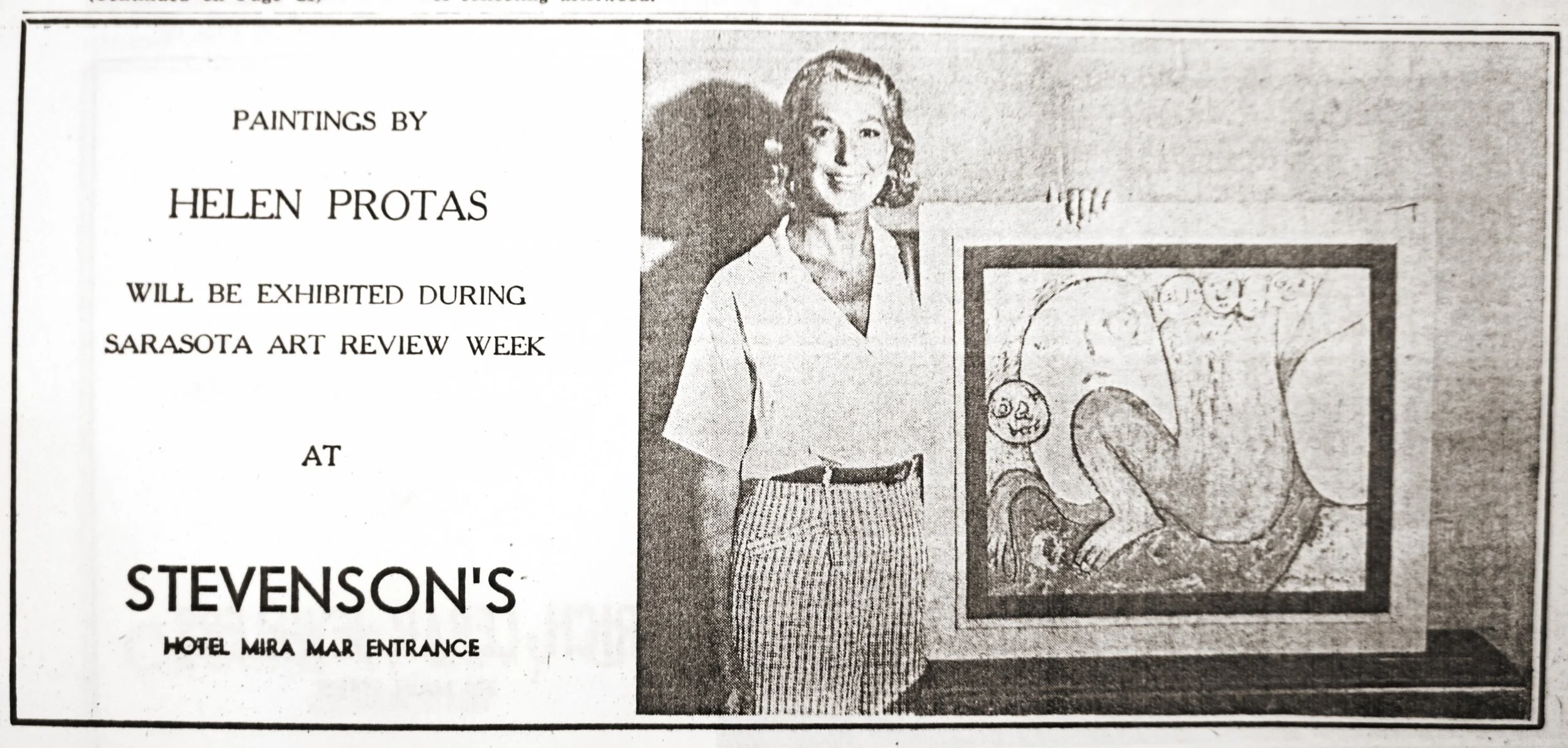
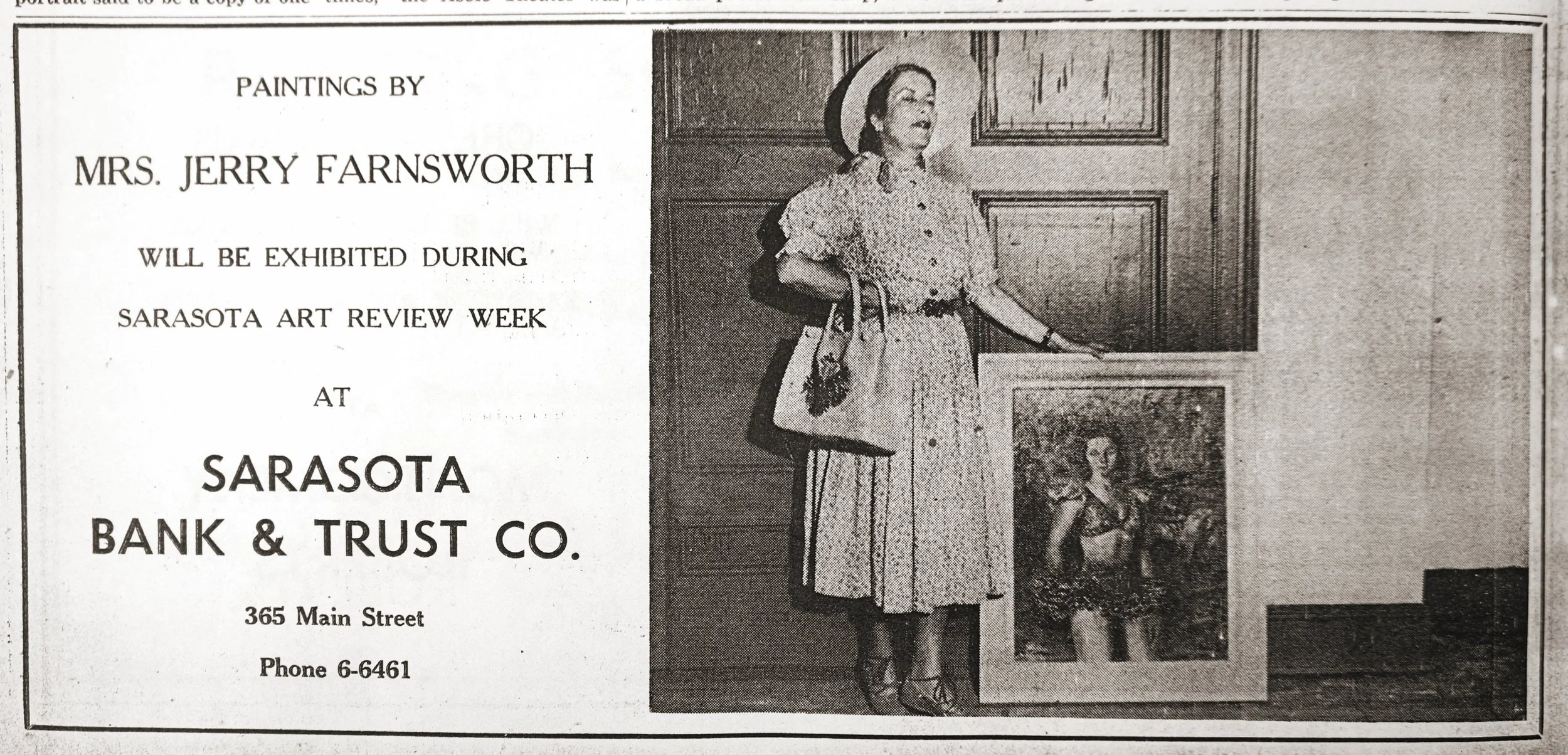
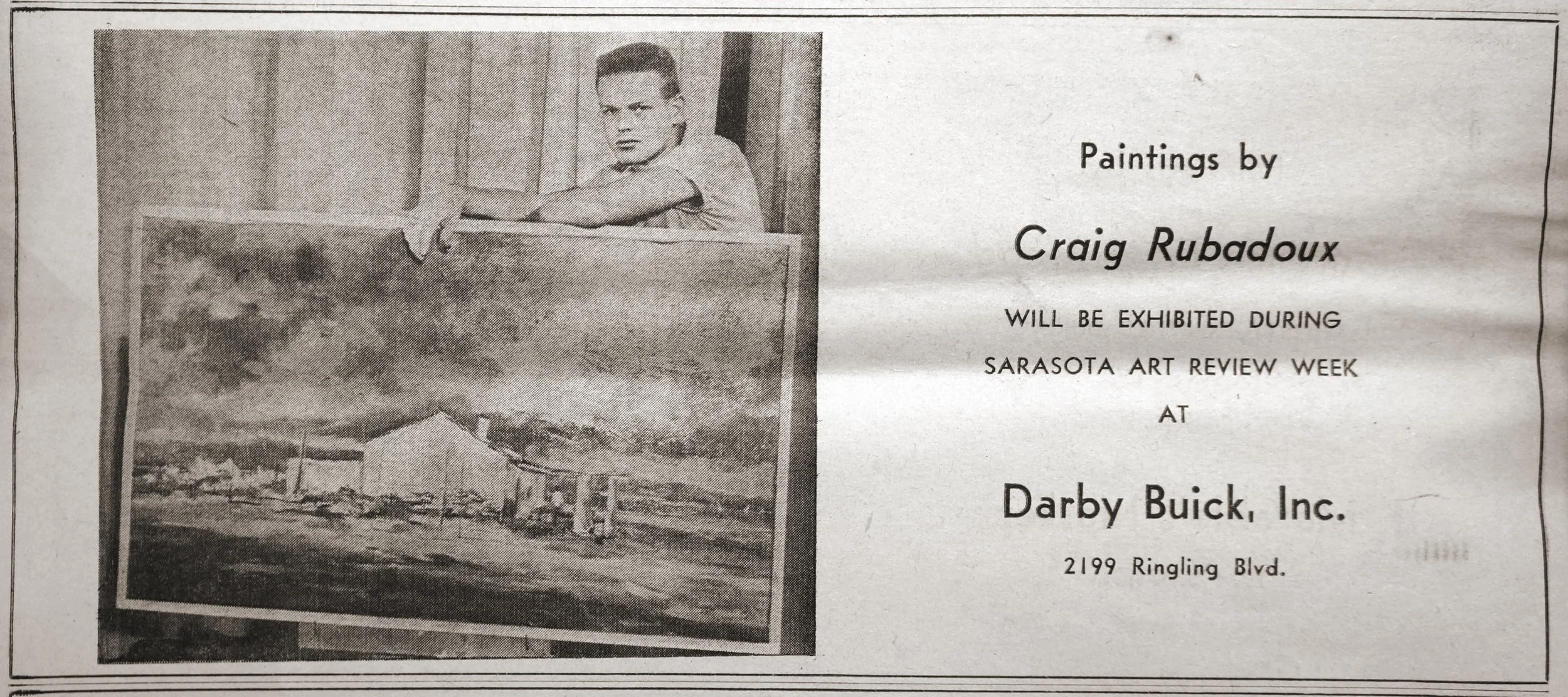
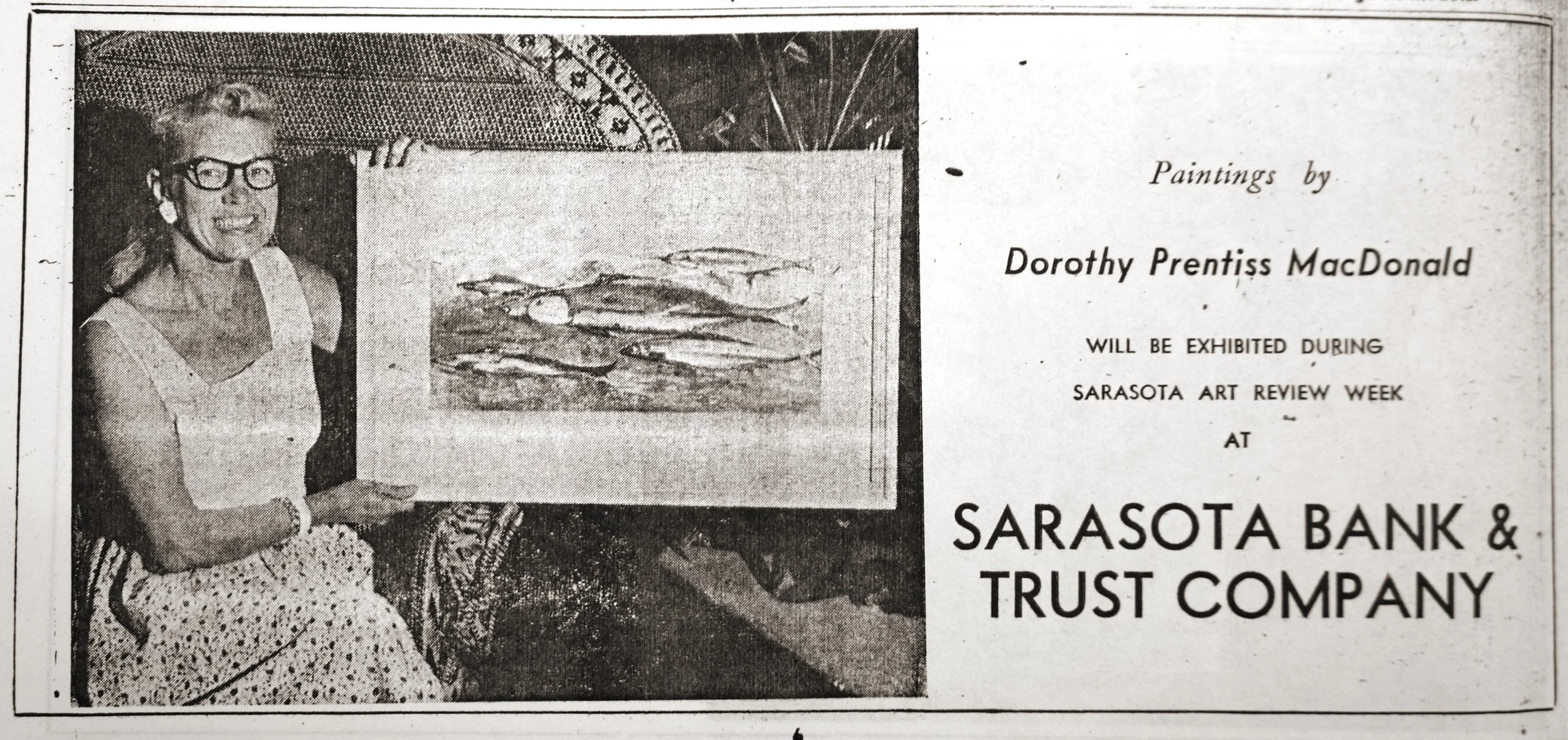
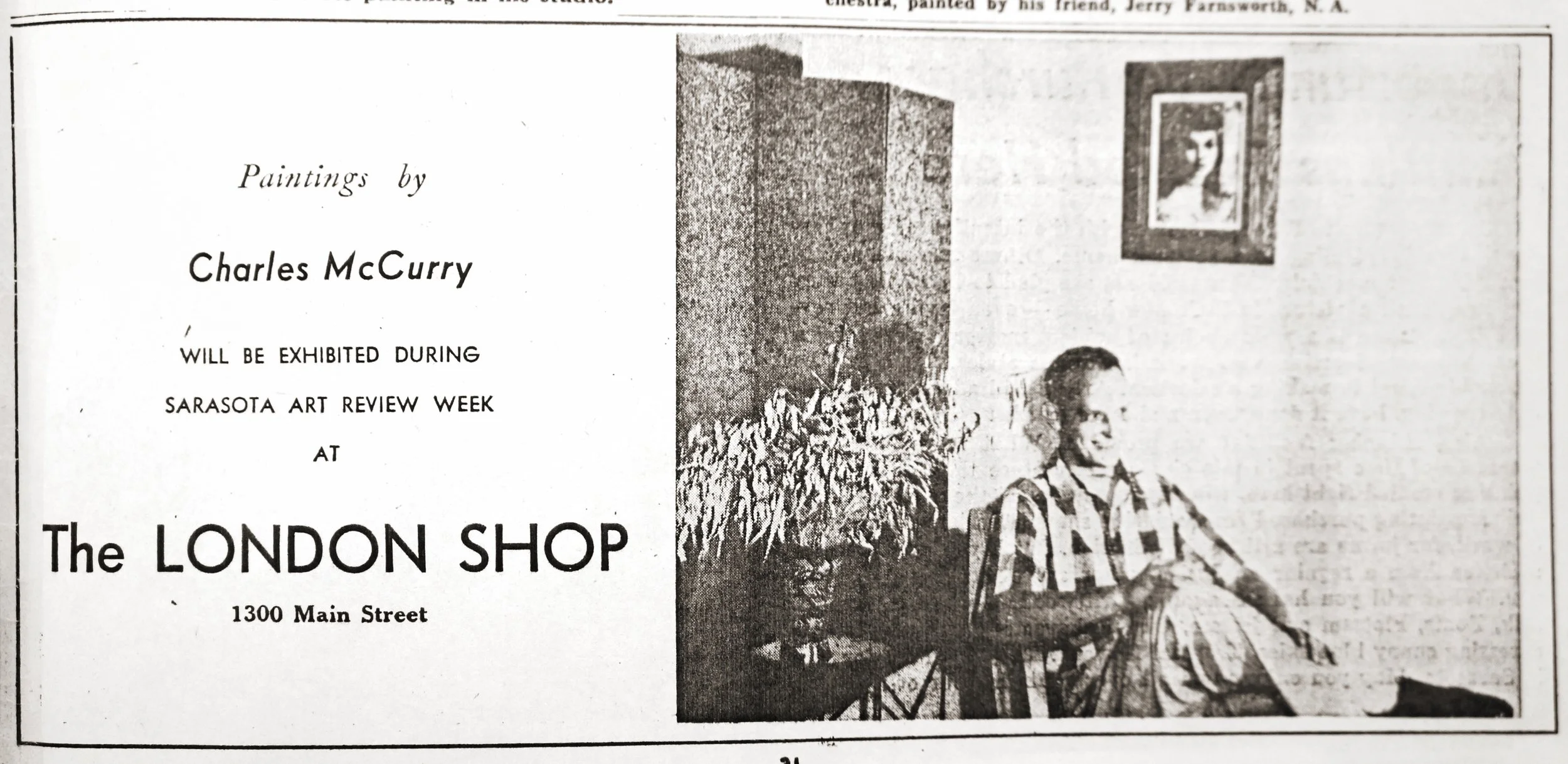
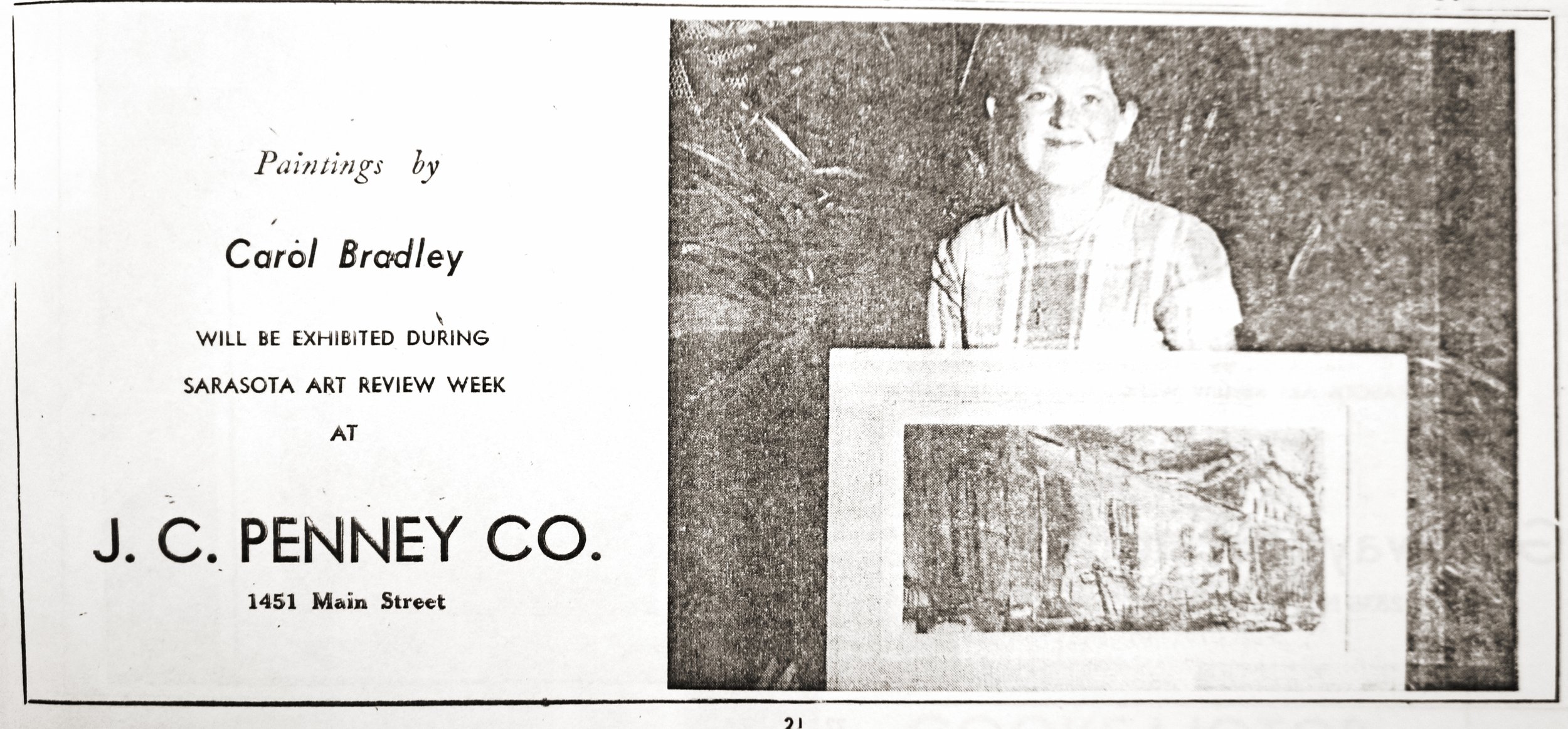
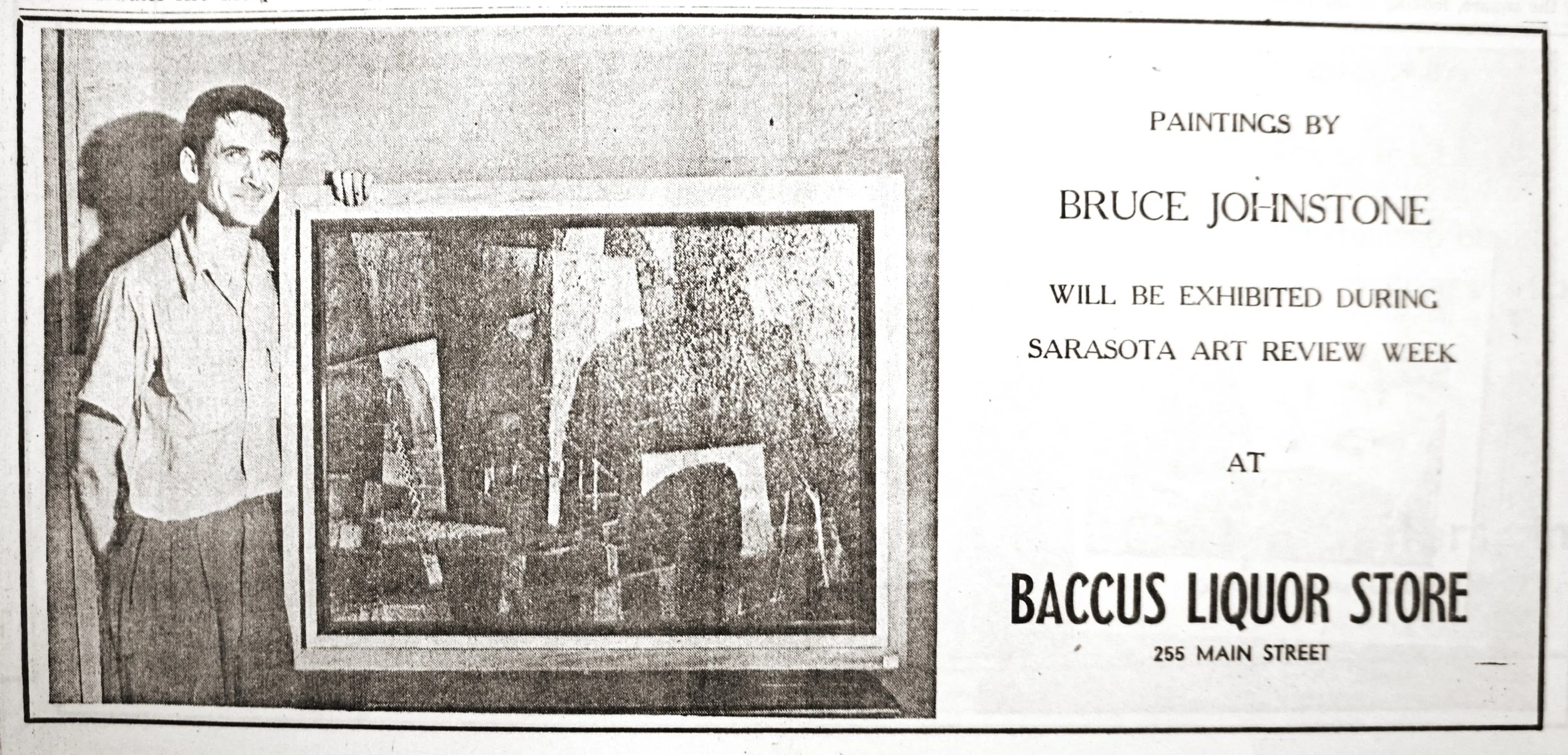
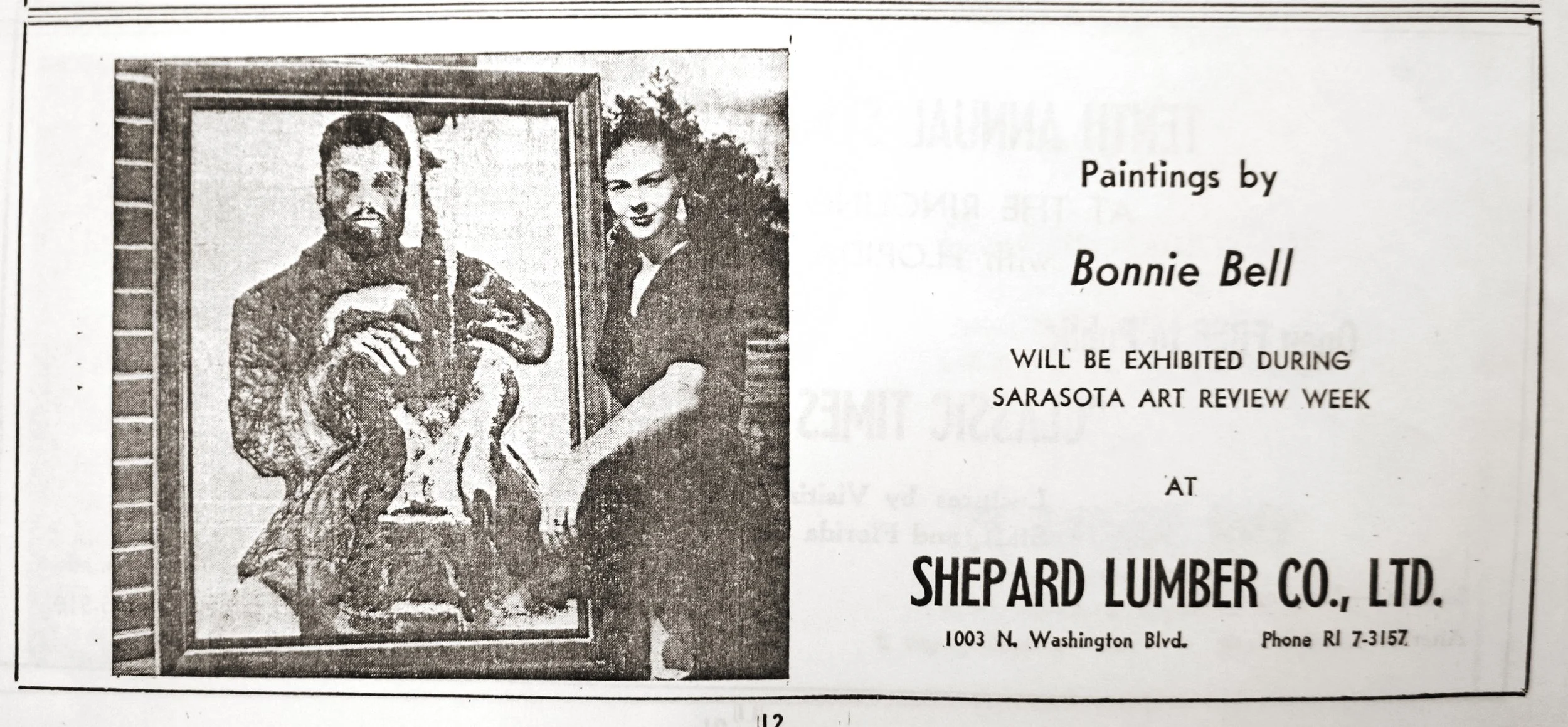
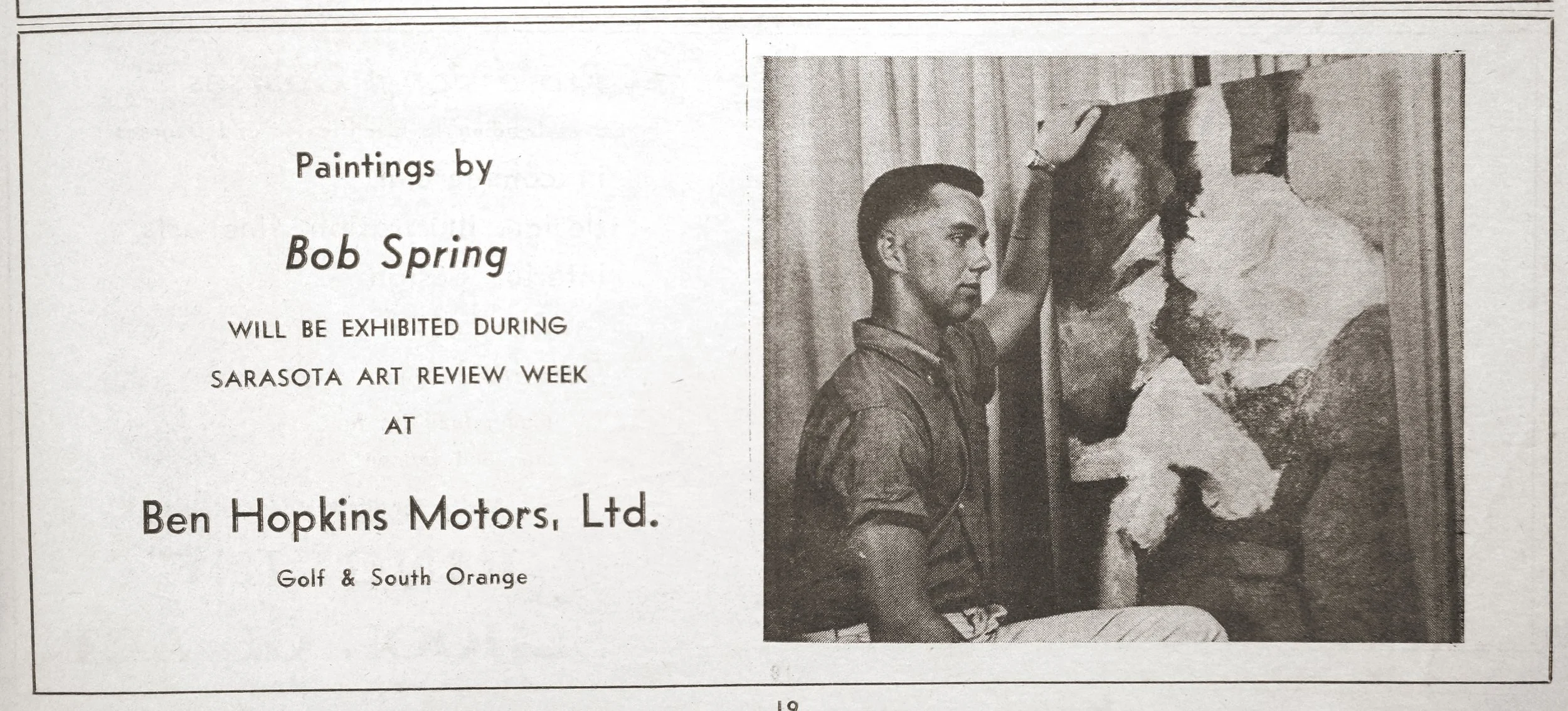
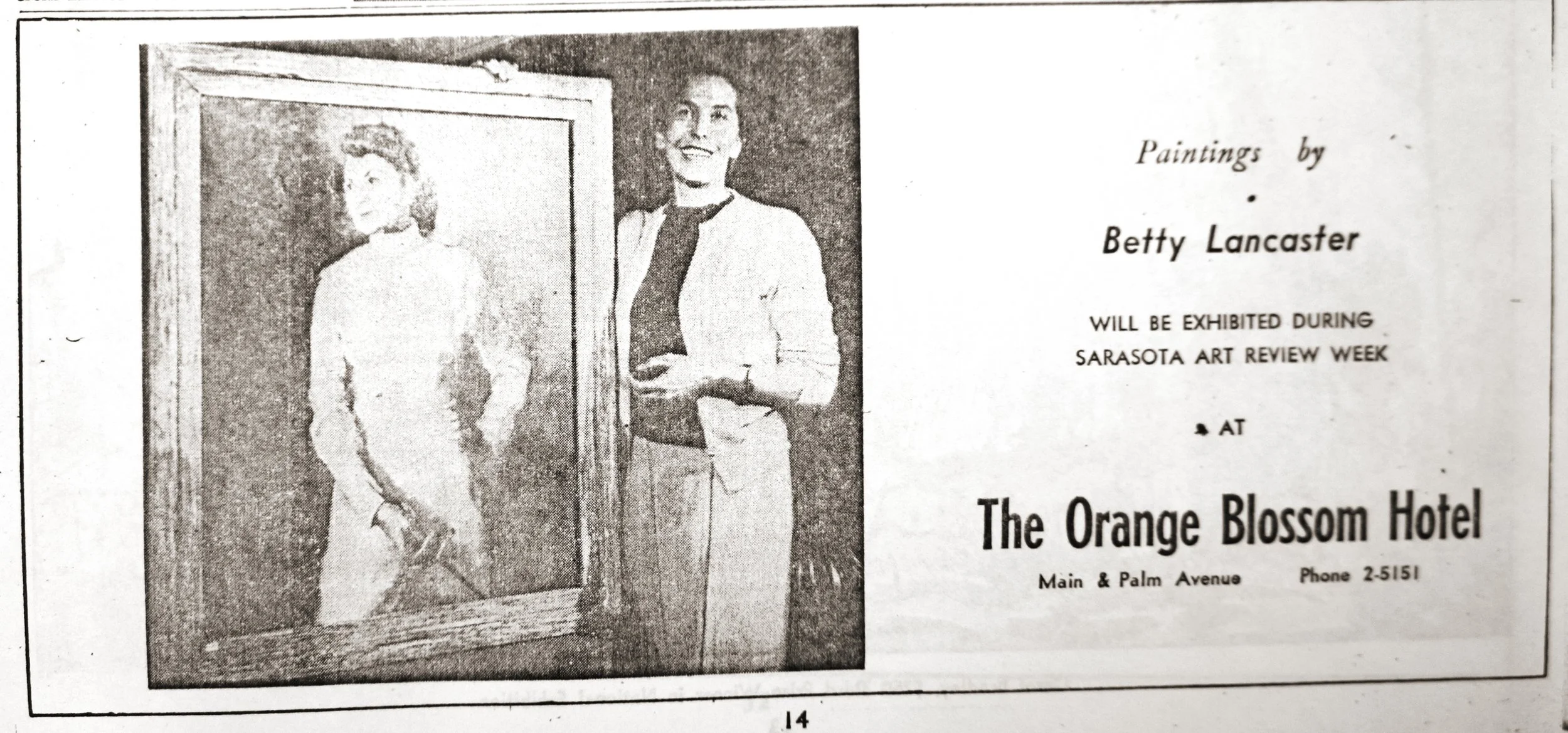
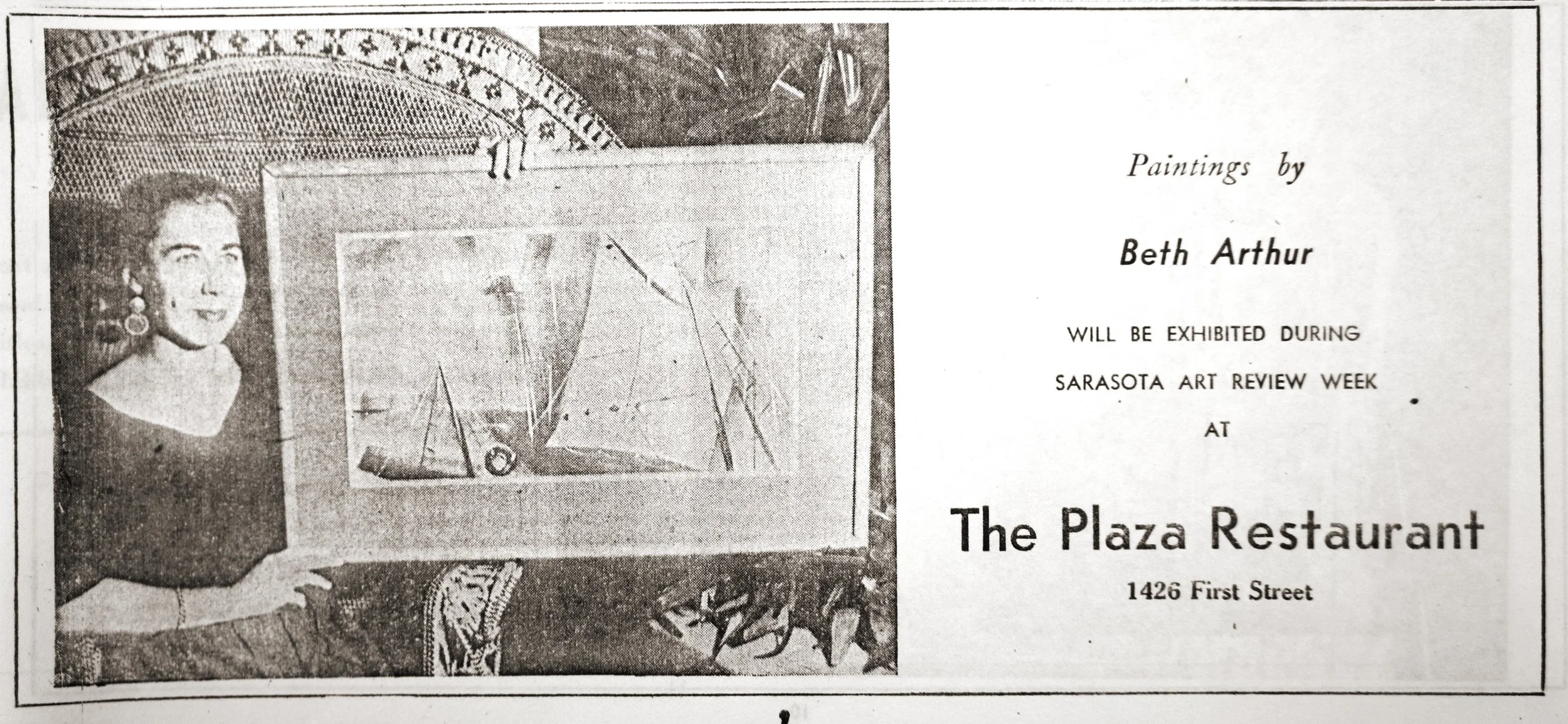
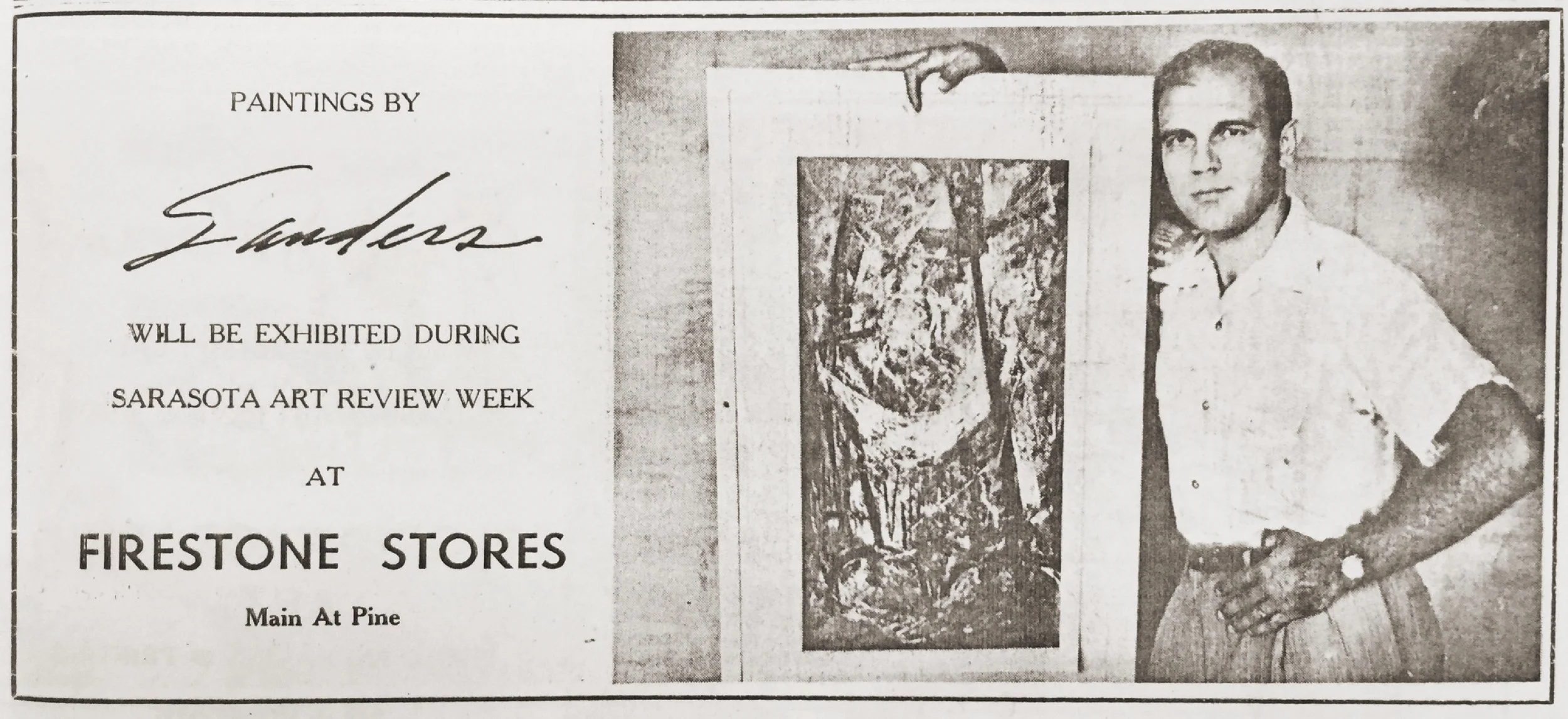
1950-1959
the Sarasota Art REVIEW
In the early 1950s, Five Points emerged as the cultural crossroads of Sarasota—a lively hub within the city’s burgeoning downtown. As Sarasota boomed in the postwar years, galleries, studios, theaters, and gathering spaces clustered around Five Points, reflecting a growing optimism and creative energy that helped define the city’s identity as a thriving arts destination.
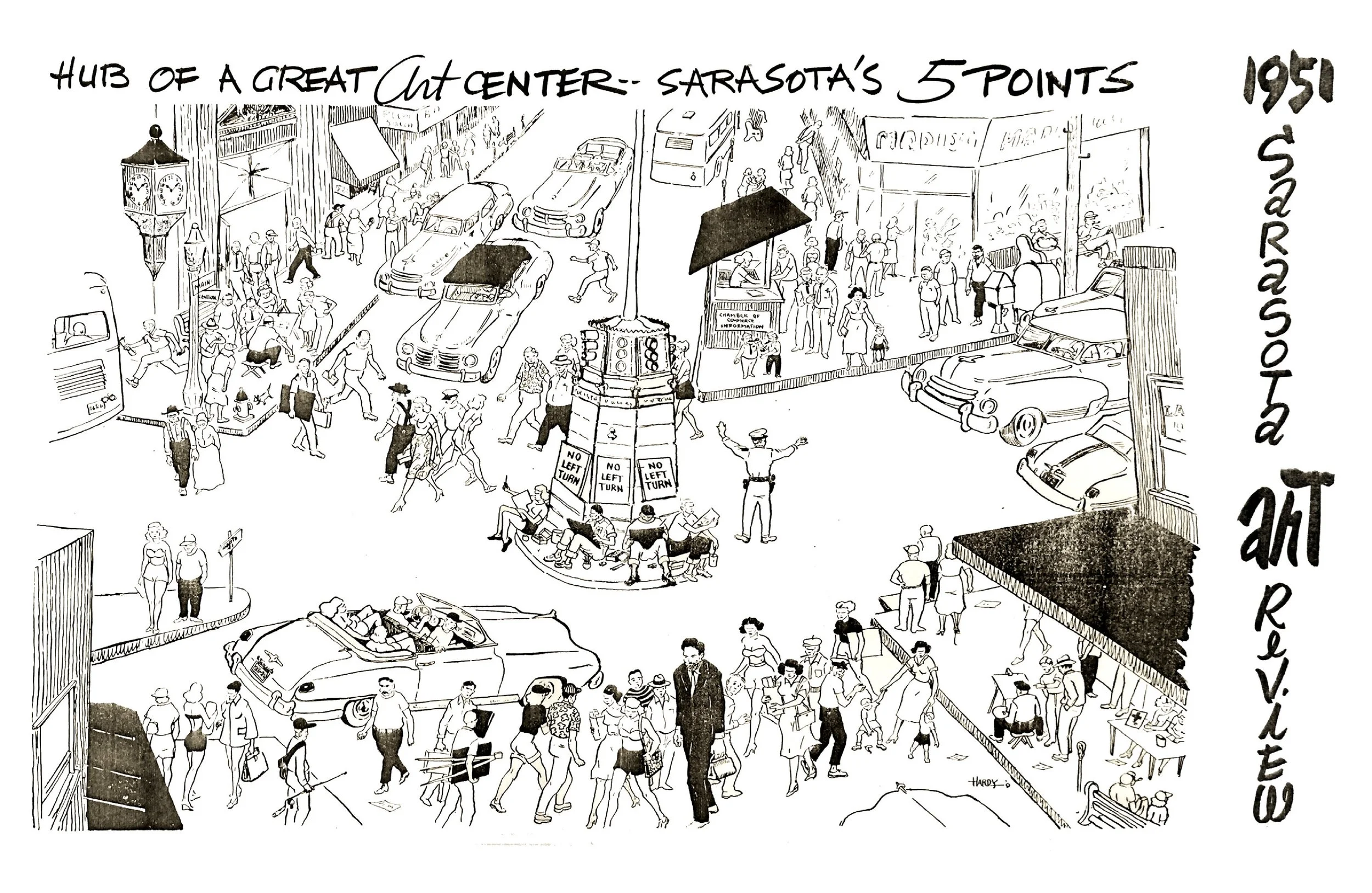
5 Points Cartoon, Sarasota Art Review, 1951
The Sarasota Arts Review (1950–1959) was an annual arts feature in the Sarasota Herald-Tribune that documented and promoted the city’s growing cultural life. Rather than a fixed section, it functioned as a flexible platform covering exhibitions, performances, and artists, helping shape Sarasota’s identity as an emerging arts center. Featured on this screen is a series of artist ads featuring many of the Colony Artists.
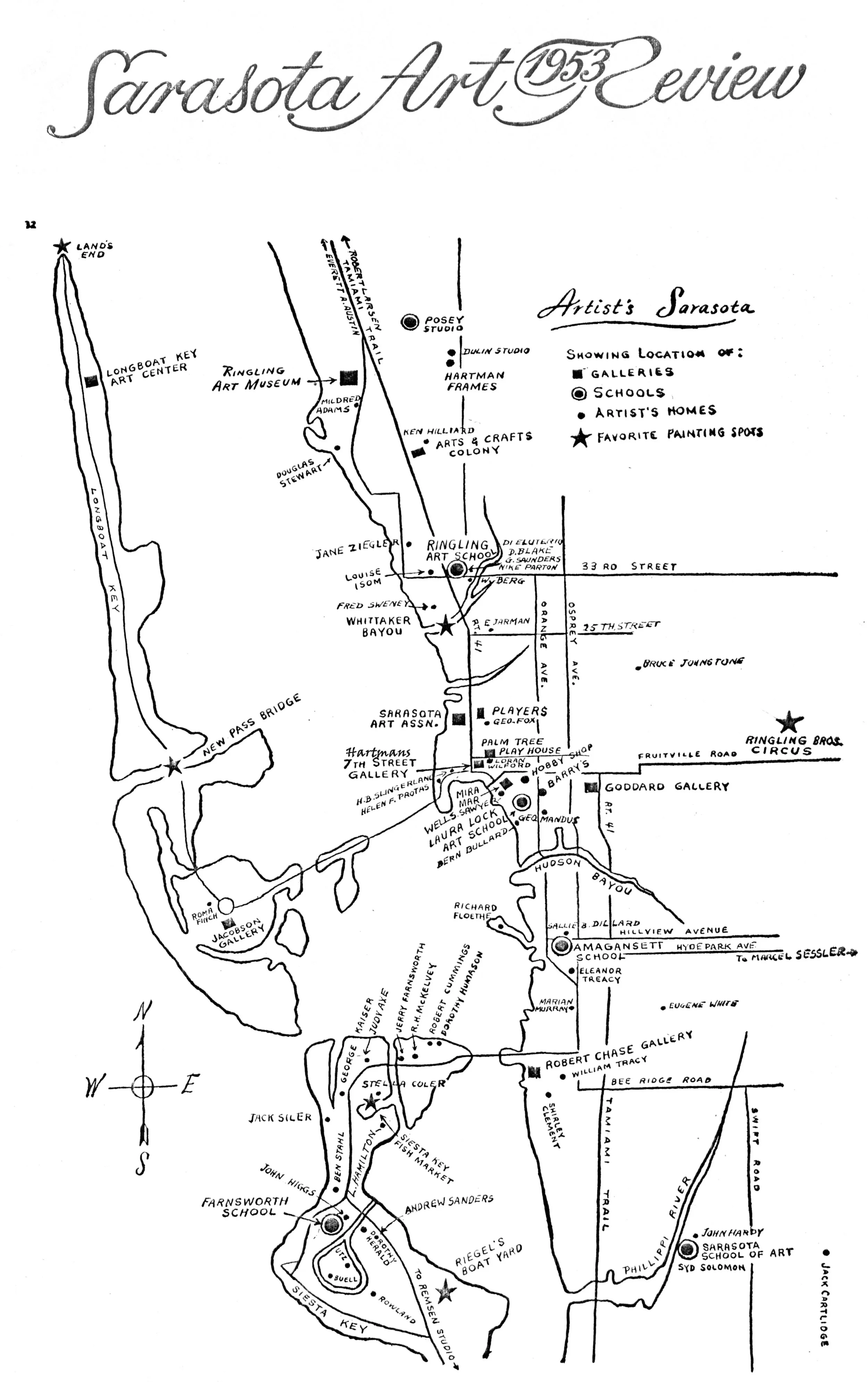
Sarasota Artist Map, Sarasota Art Review, 1953 featuring Sarasota Colony Artist studios, galleries, schools, and favorite painting spots.
on the edge of abstraction
1950’s
In the 1950s abstraction was just making inroads into the Sarasota art scene. Painterly, representational landscapes, portraits, ands till lifes were generally favored.
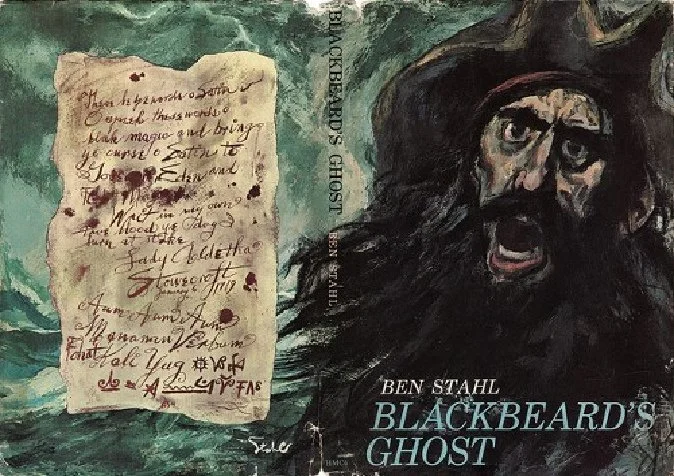
Artwork by Ben Stahl
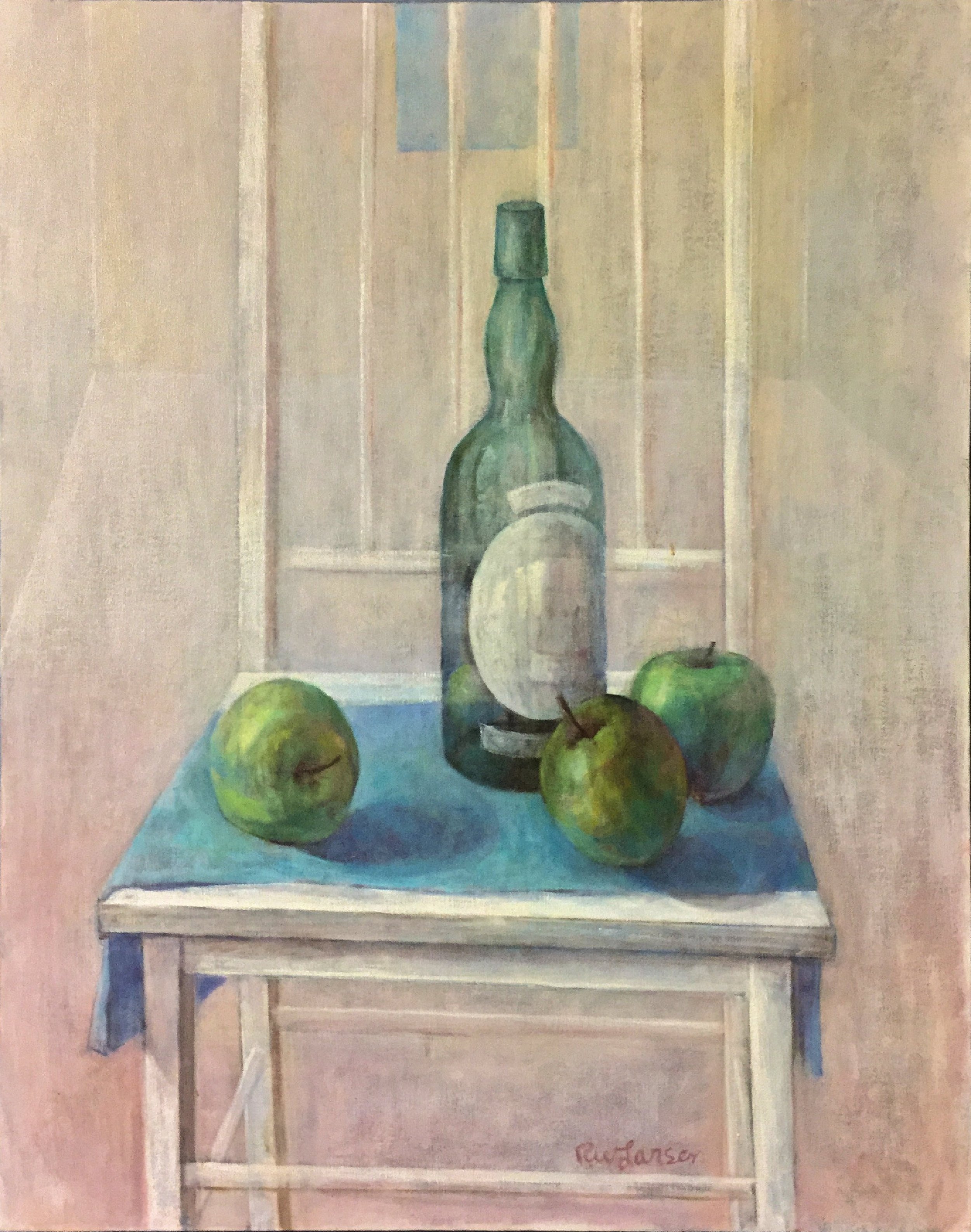
Artwork by Bob Larson
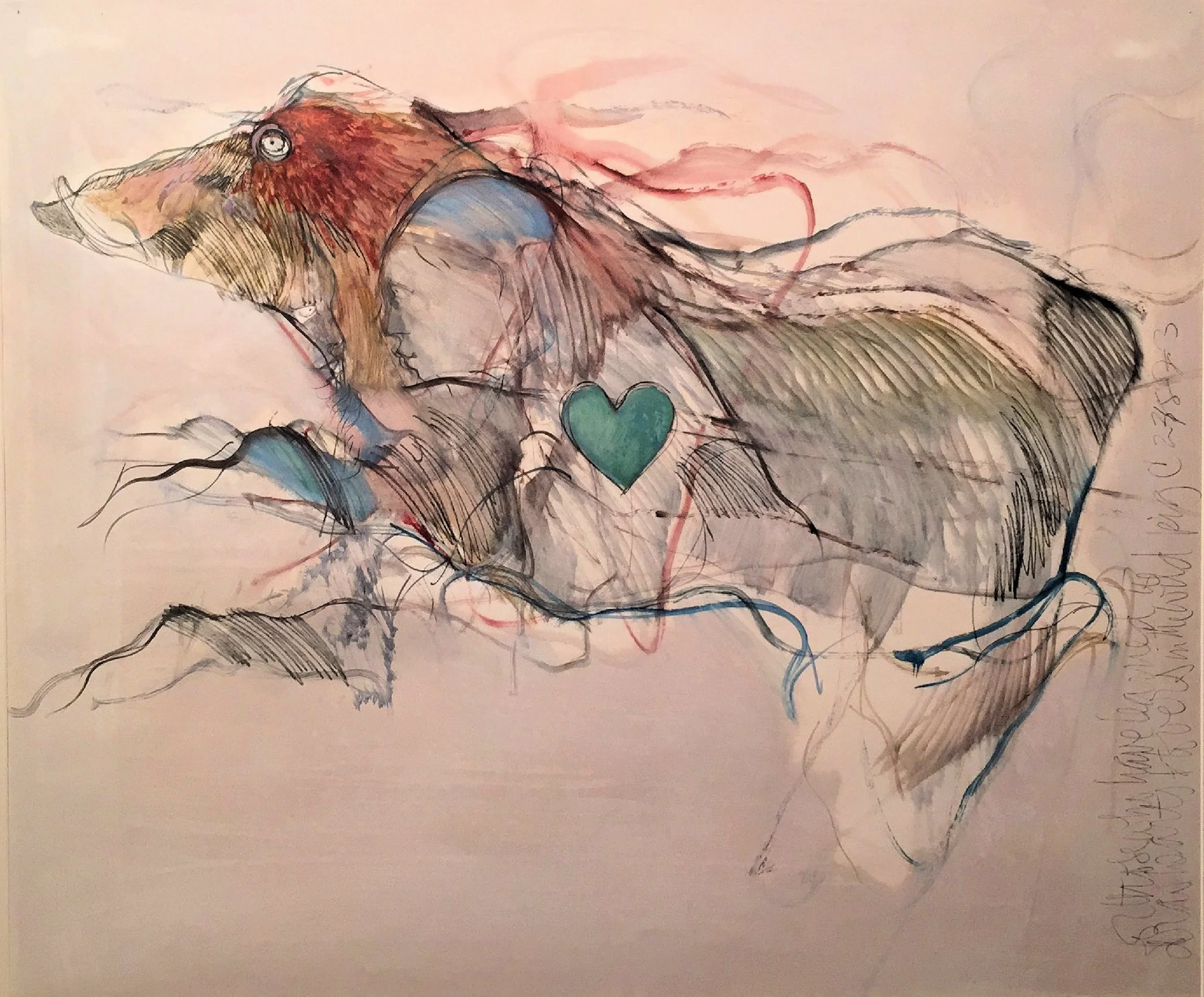
Artwork by Craig Rubadoux
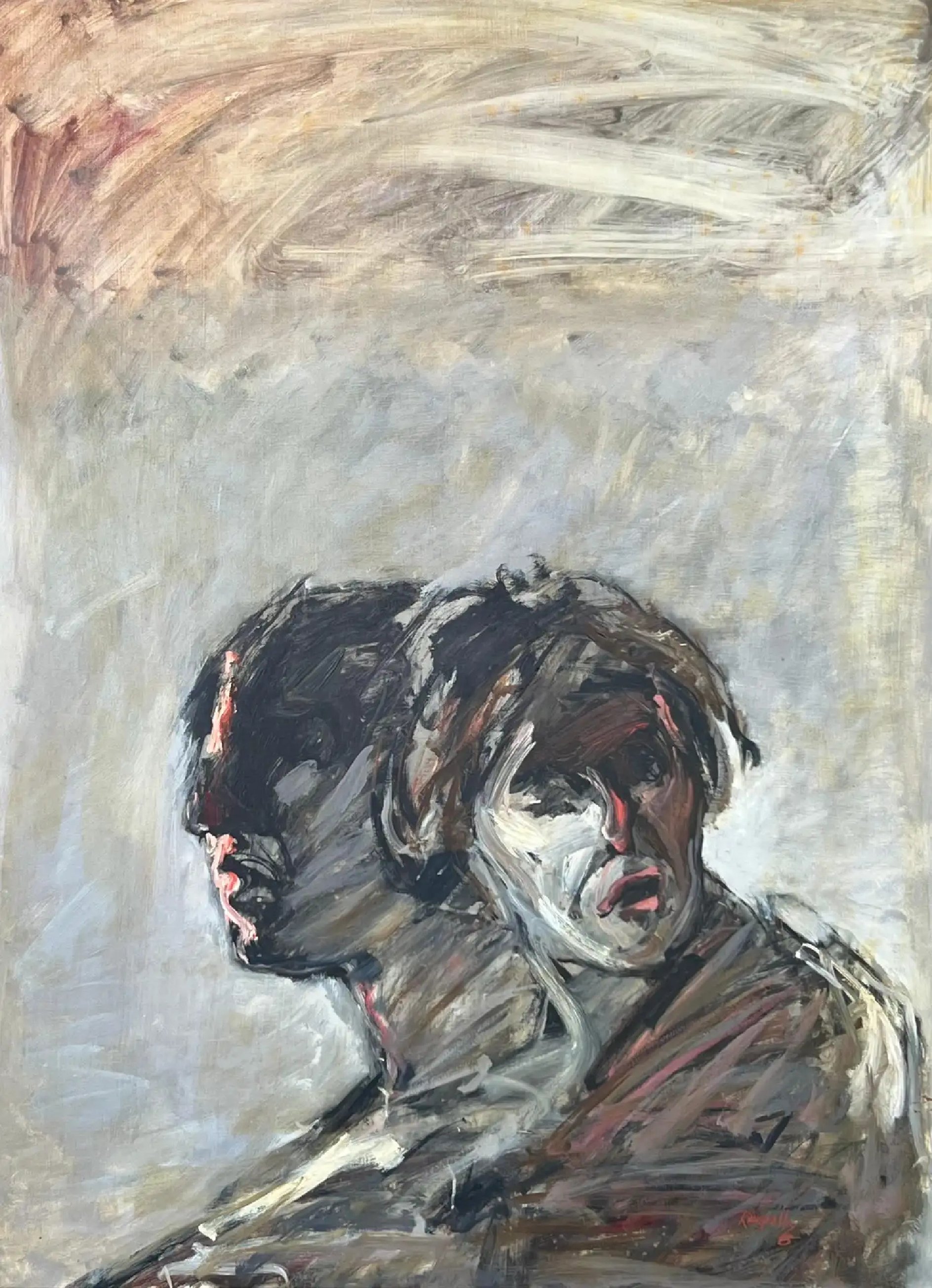
Artwork by Frank Rampolla
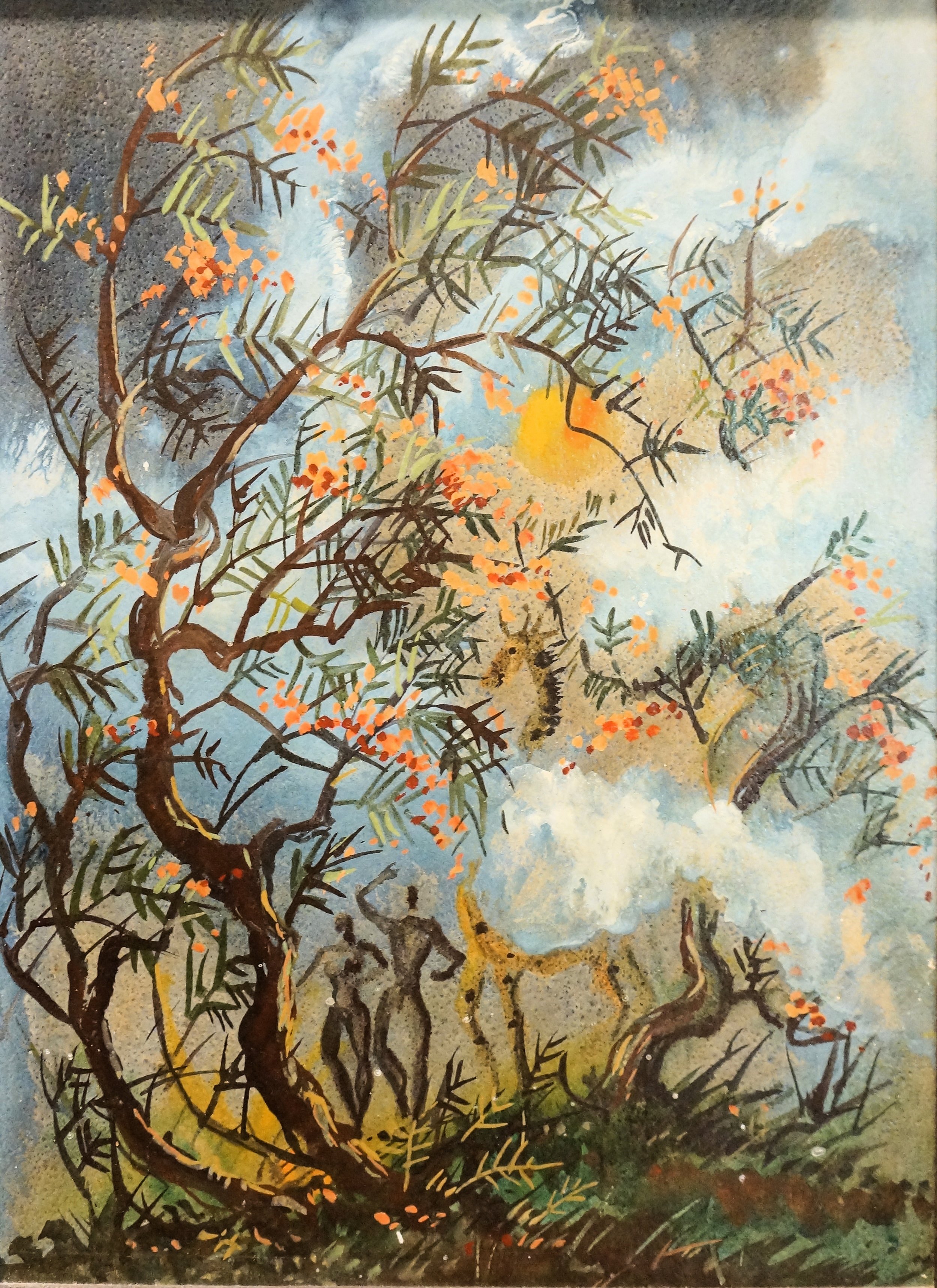
Artwork by Guy Pappy
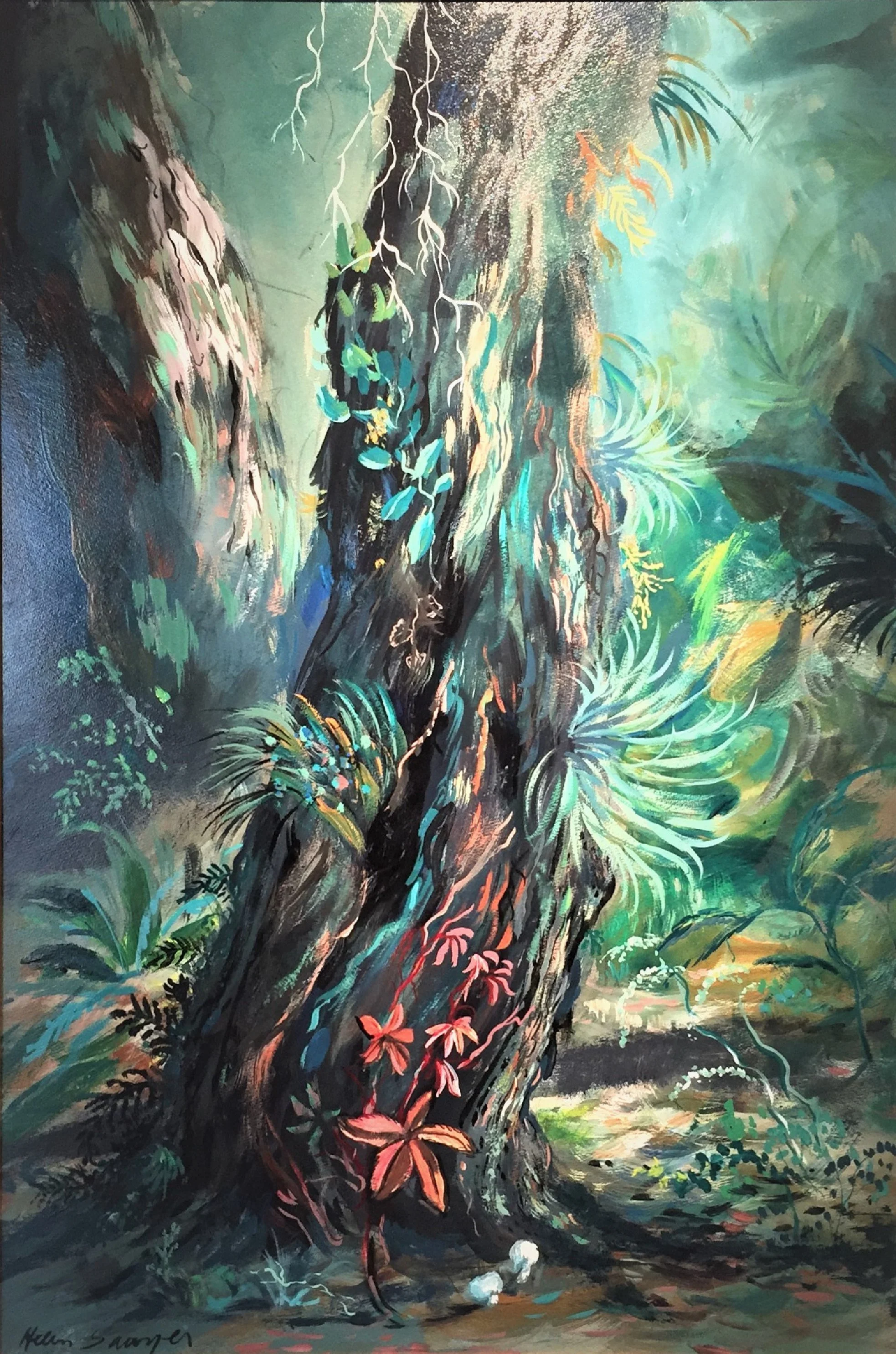
Artwork by Helen Sawyer Farnsworth
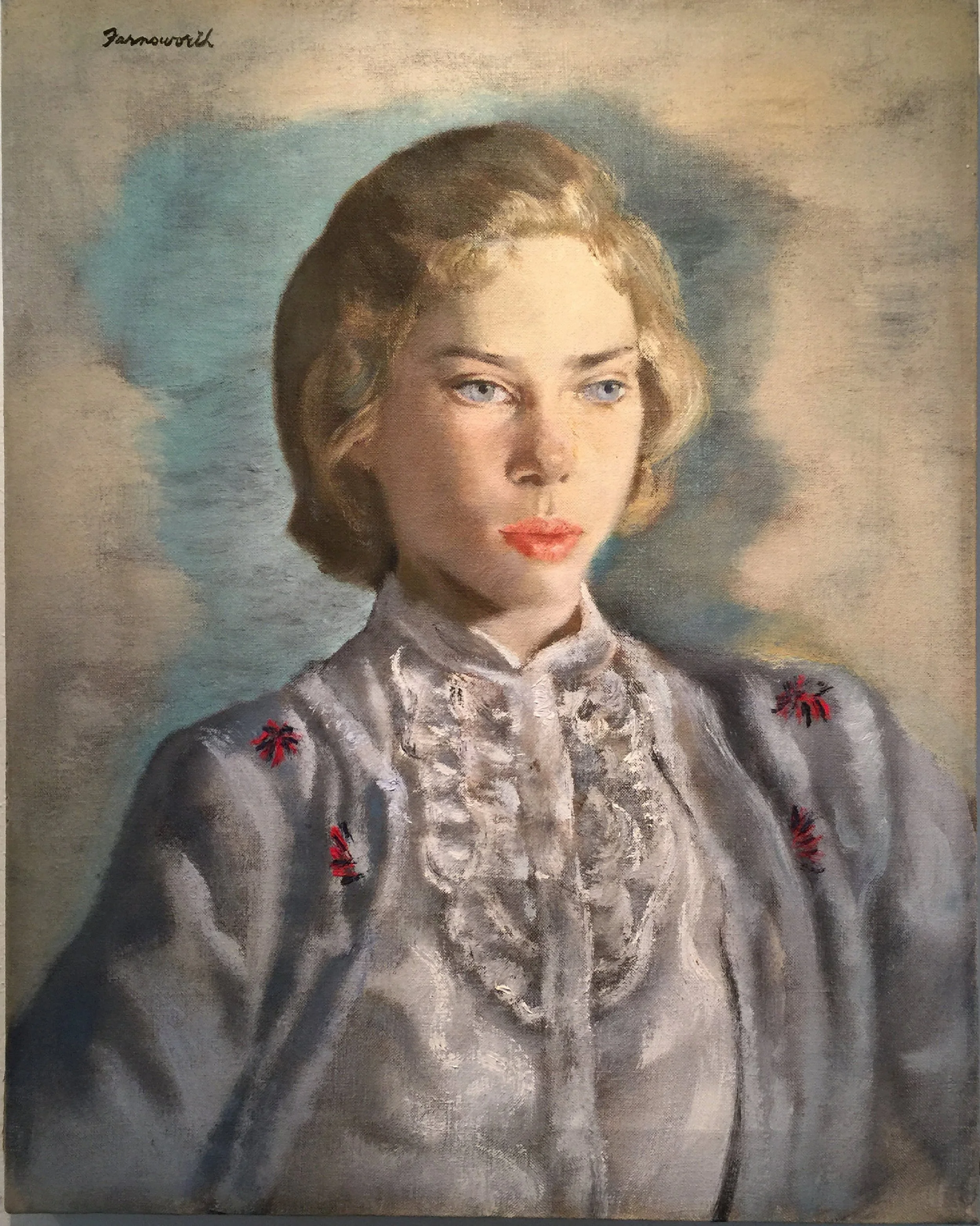
Artwork by Jerry Farnsworth
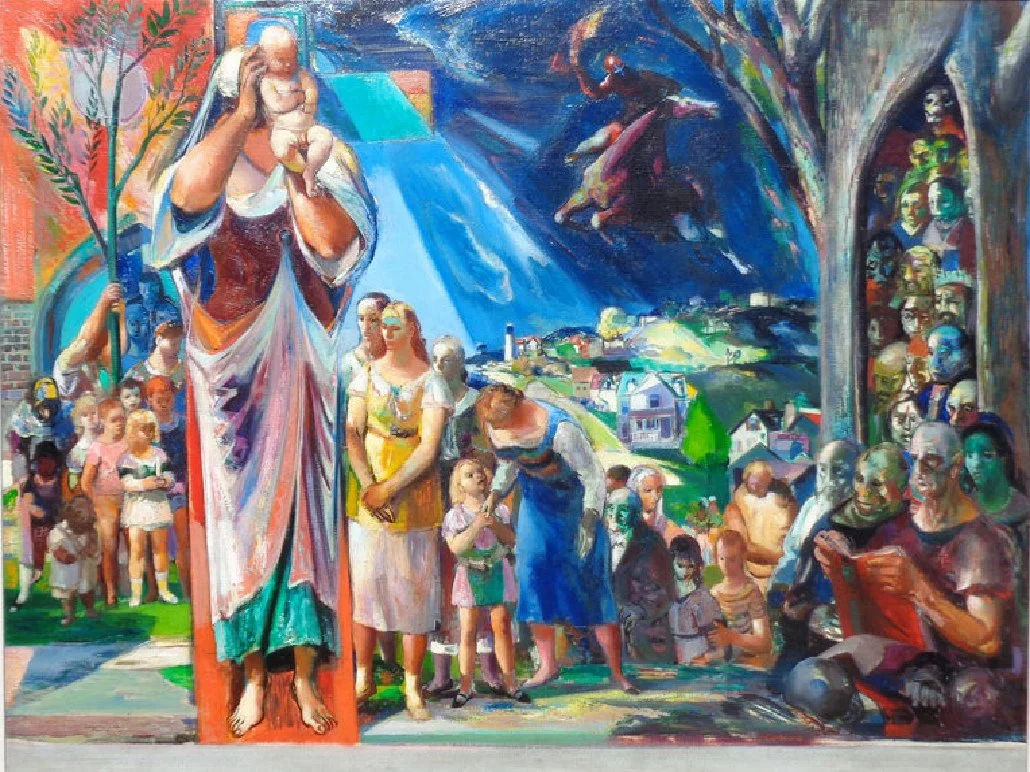
Artwork by Jon Corbino
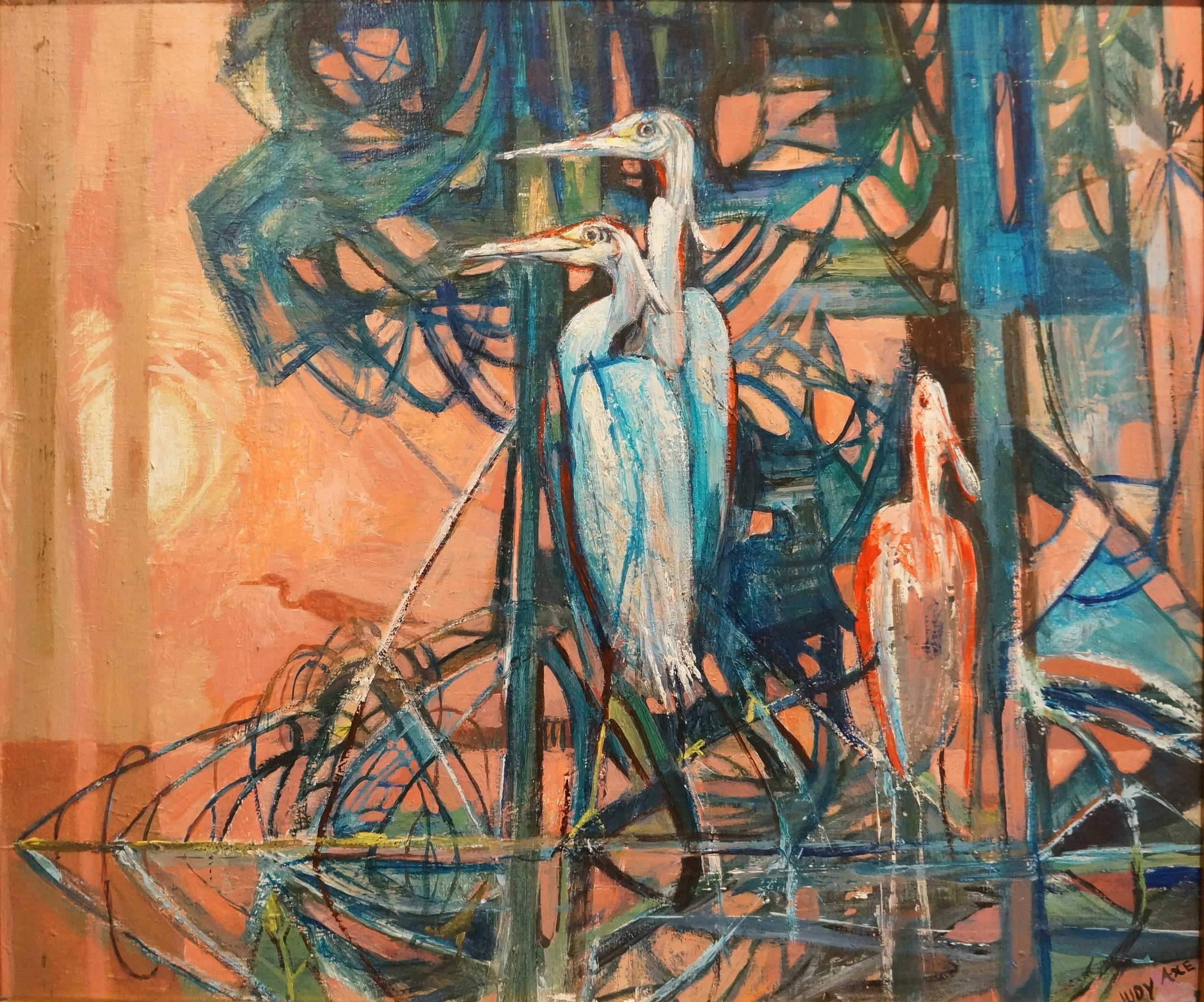
Artwork by Judy Axe
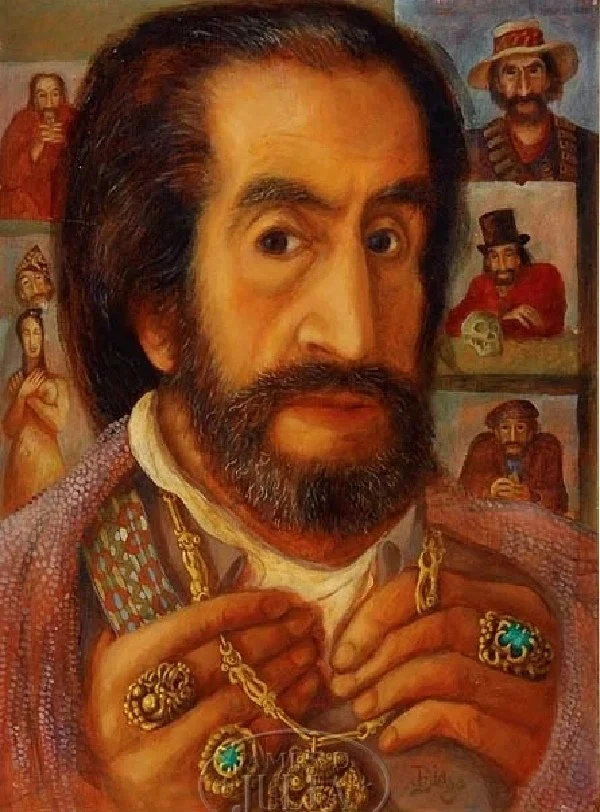
Artwork by Julio DeDiego
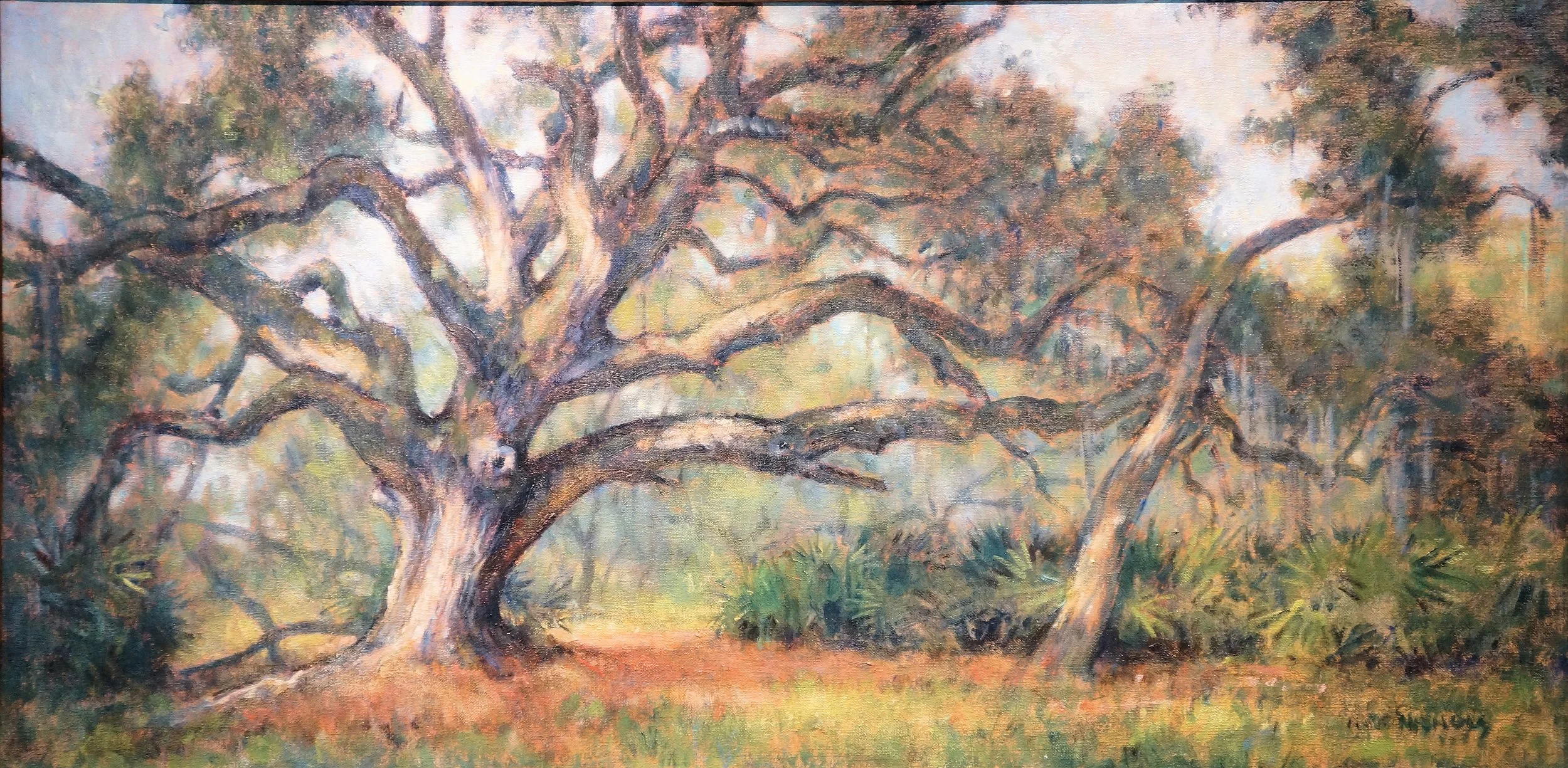
Artwork by Leroy Nichols
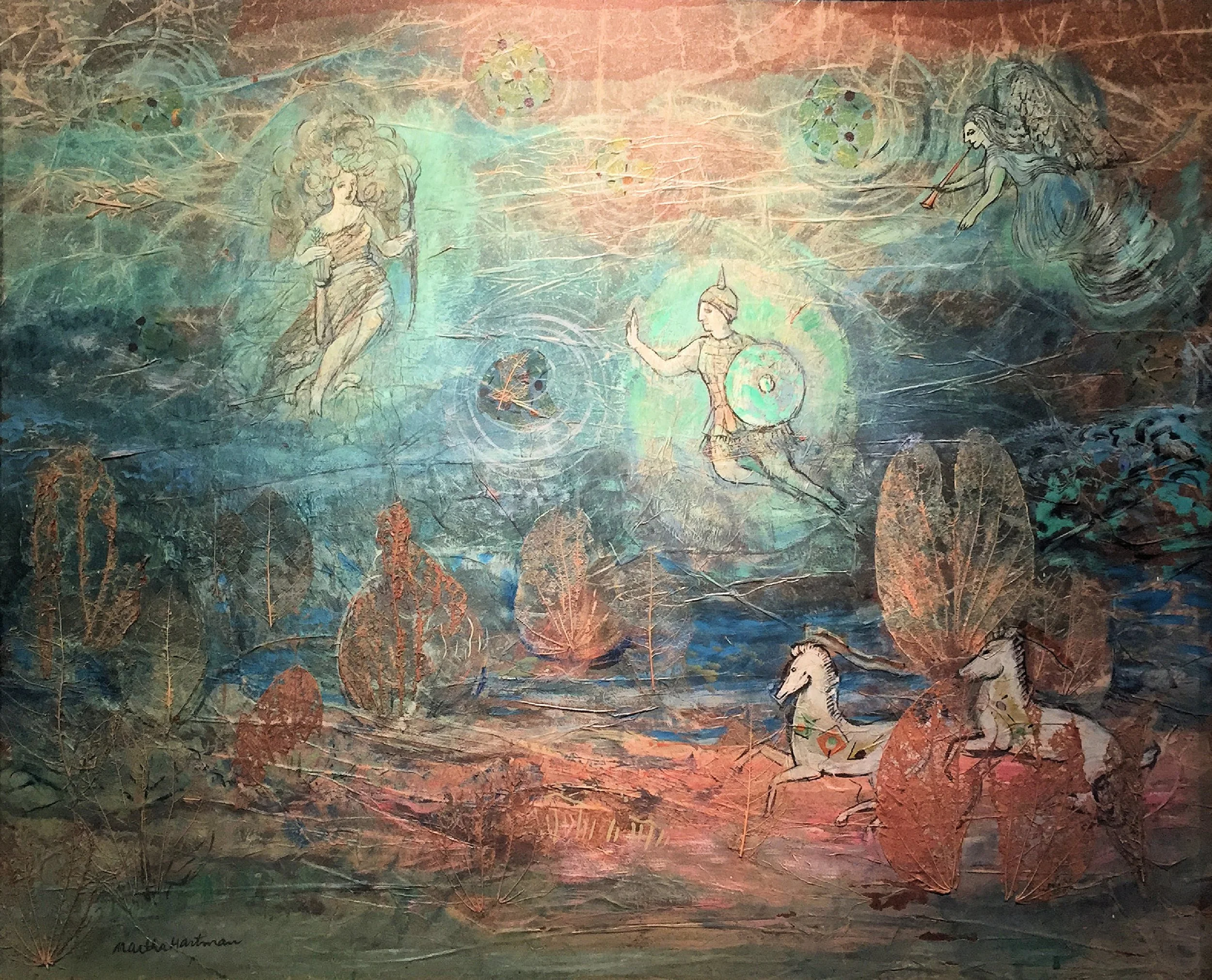
Artwork by Martha Hartman
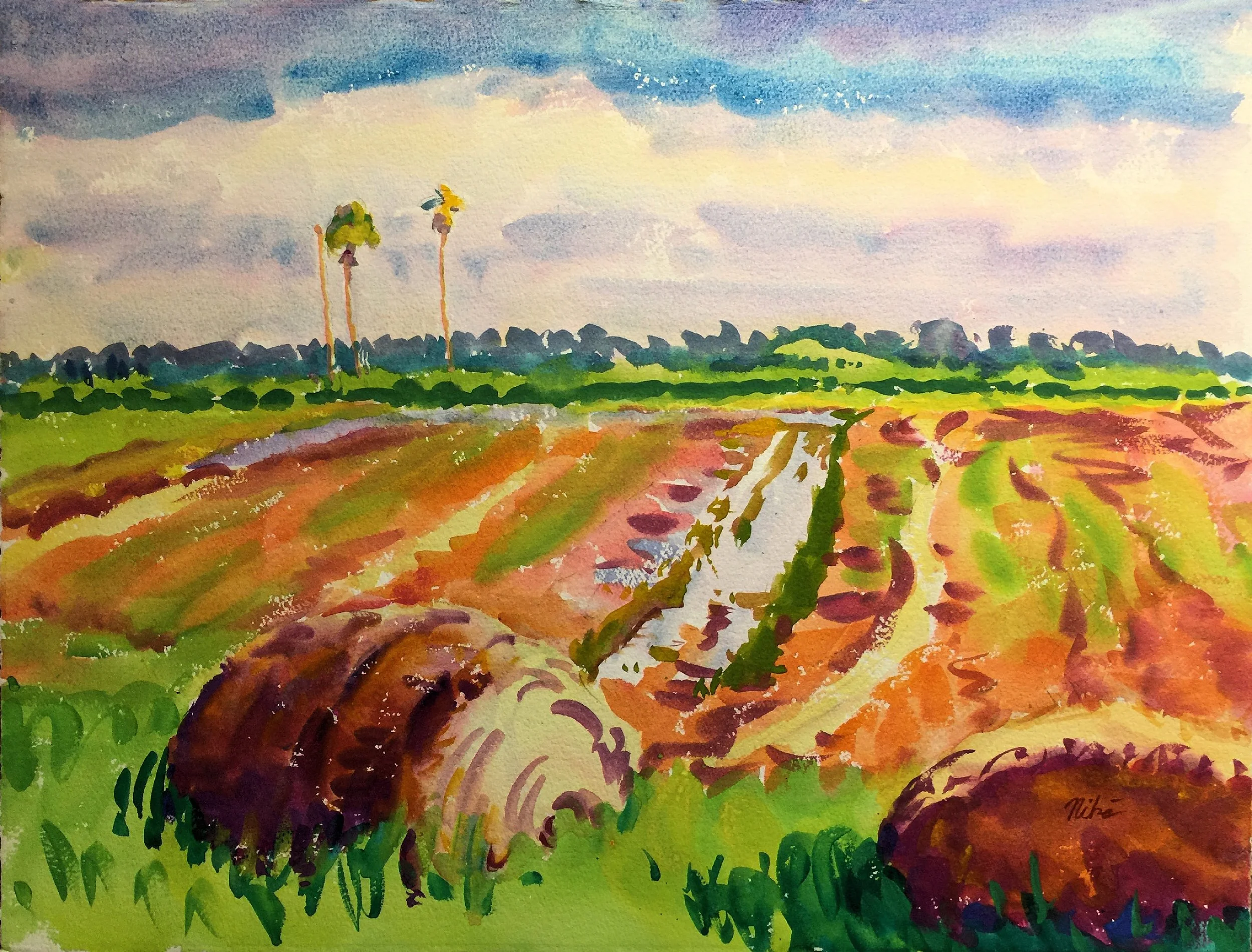
Artwork by Nike Parton
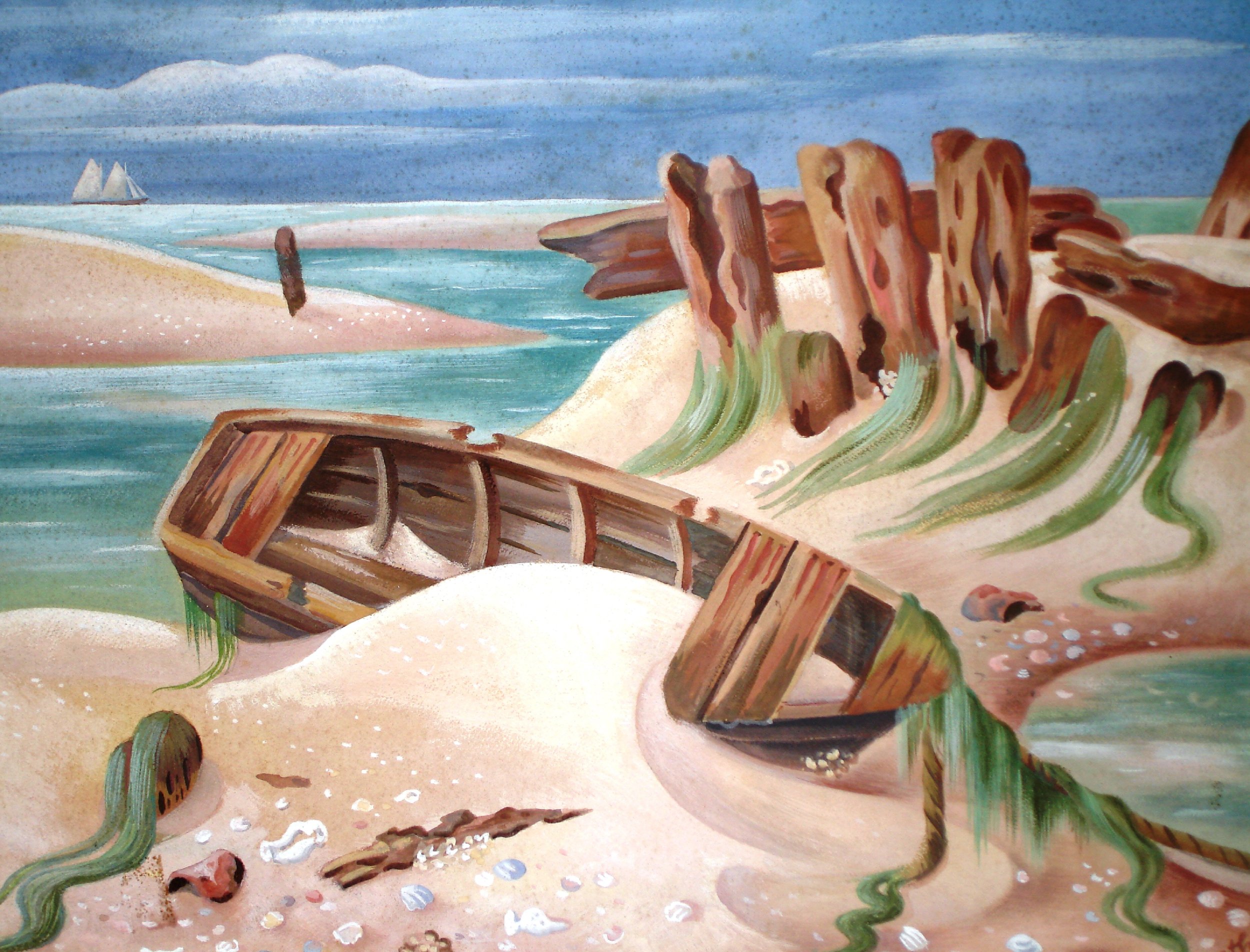
Artwork by Richard Floethe
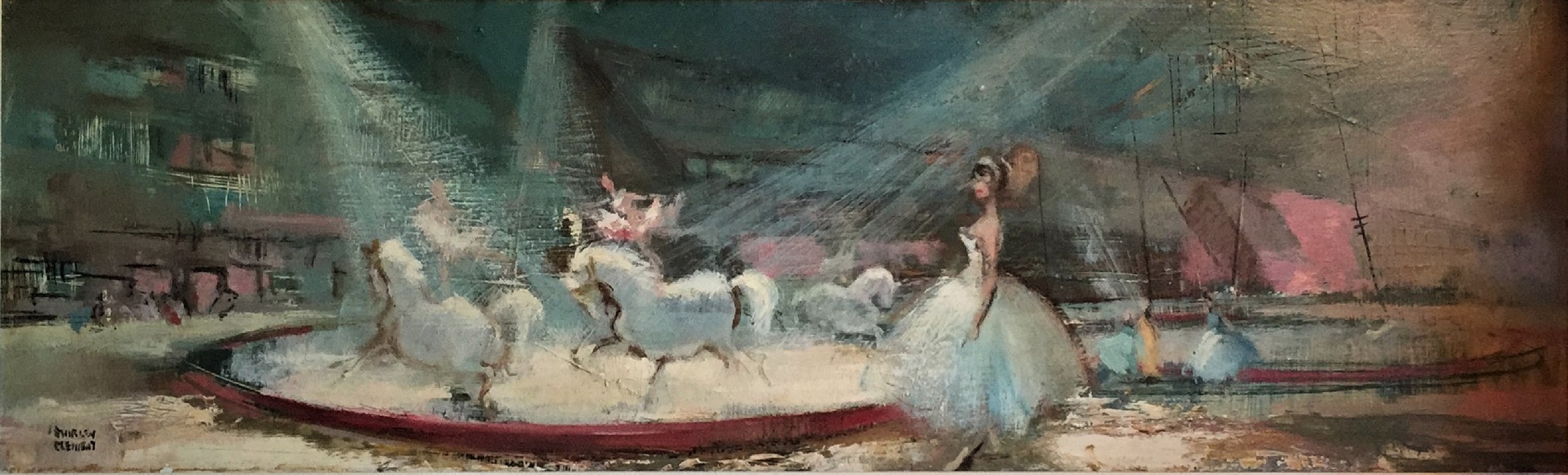
Artwork by Shirley Clement
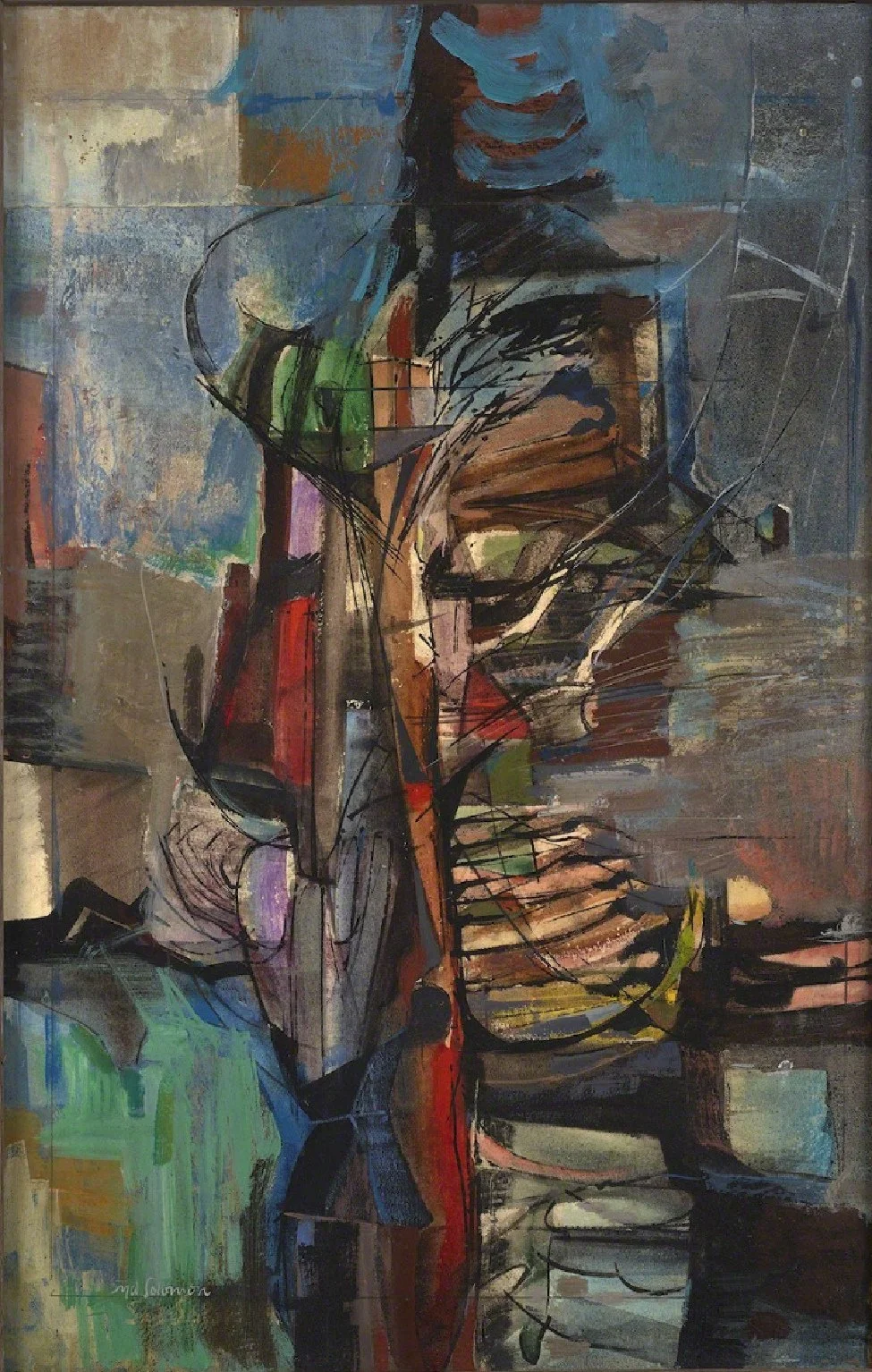
Artwork by Syd Solomon
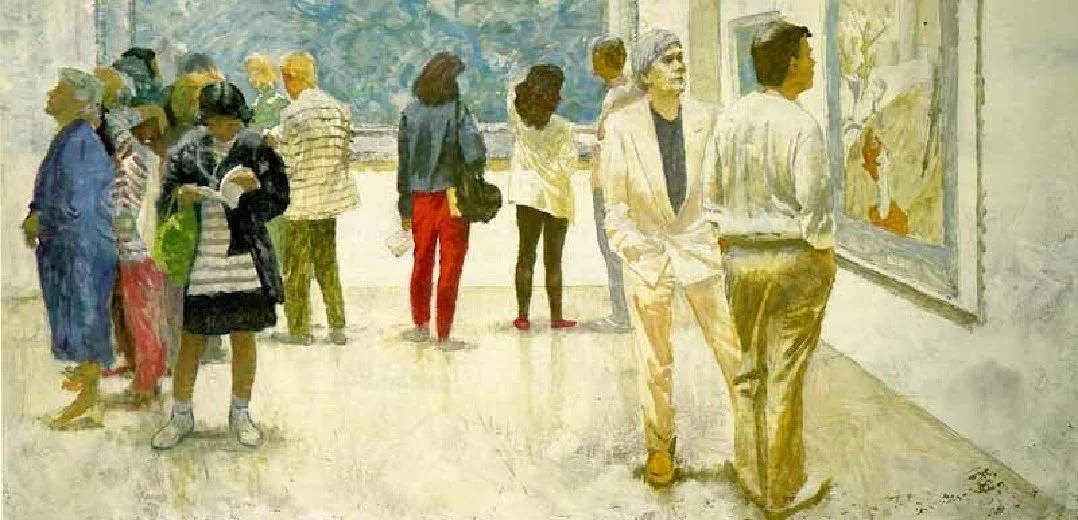
Artwork by Thornton Utz
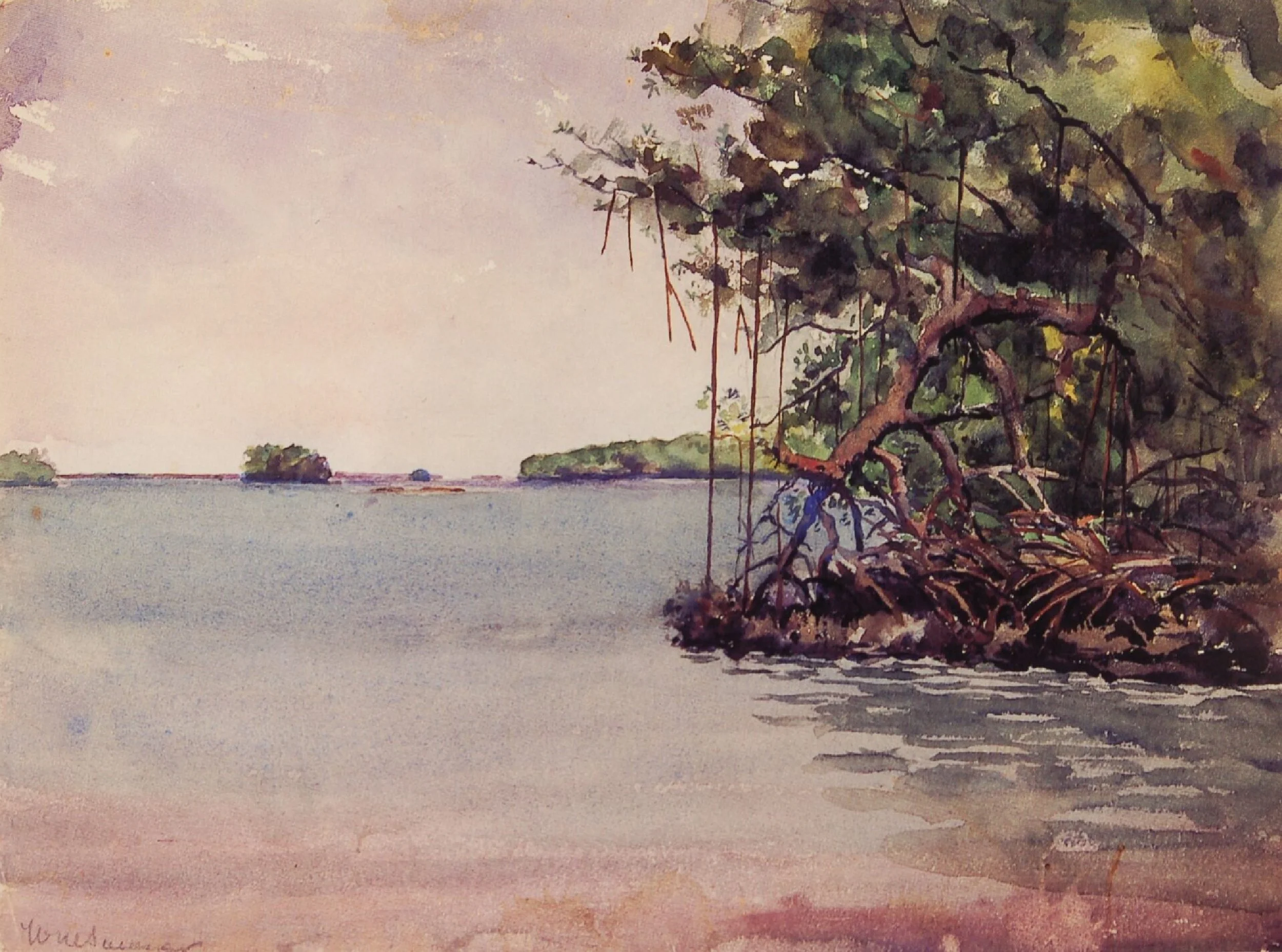
Artwork by Wells Sawyer
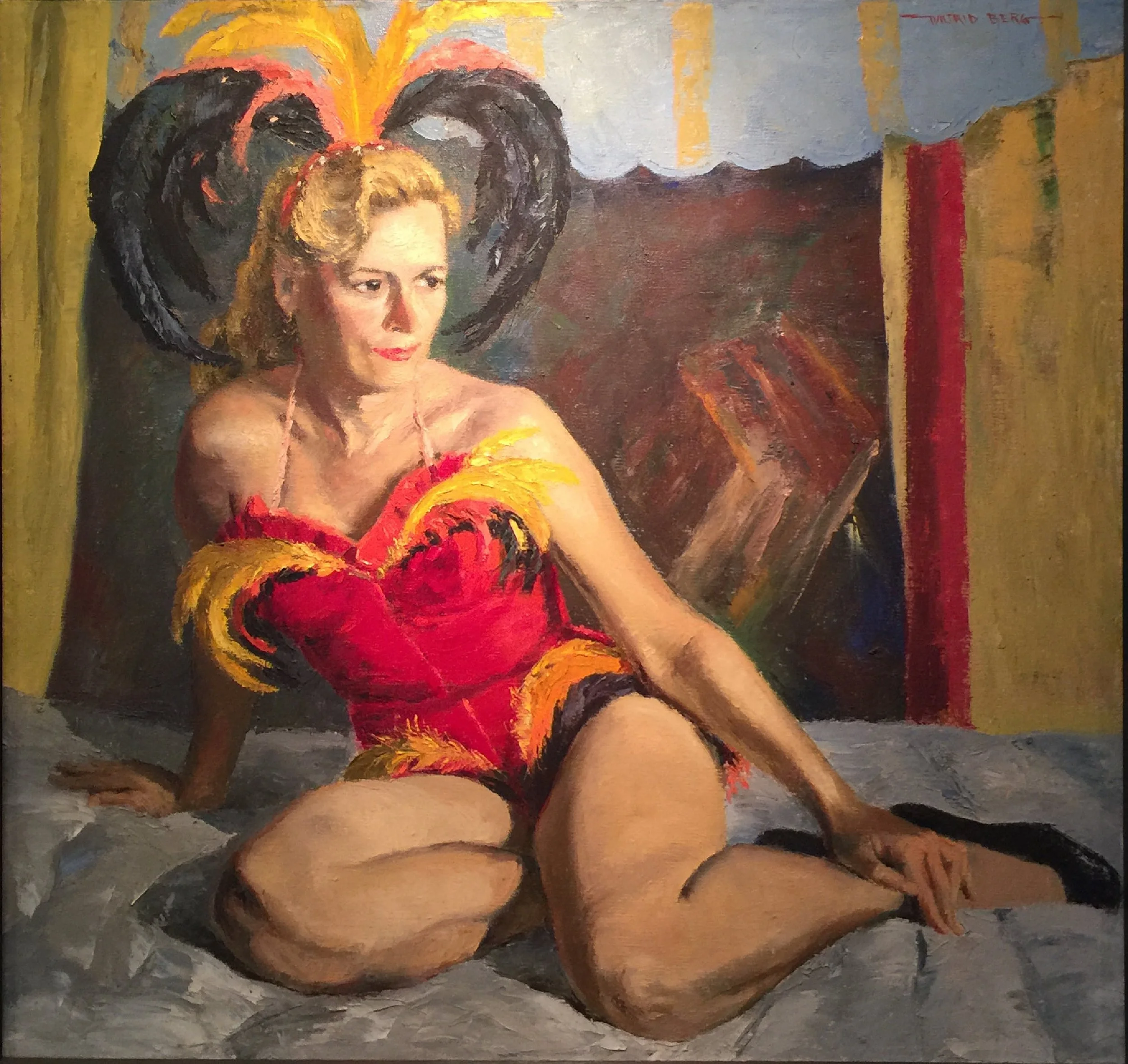
Artwork by Wilfid Berg
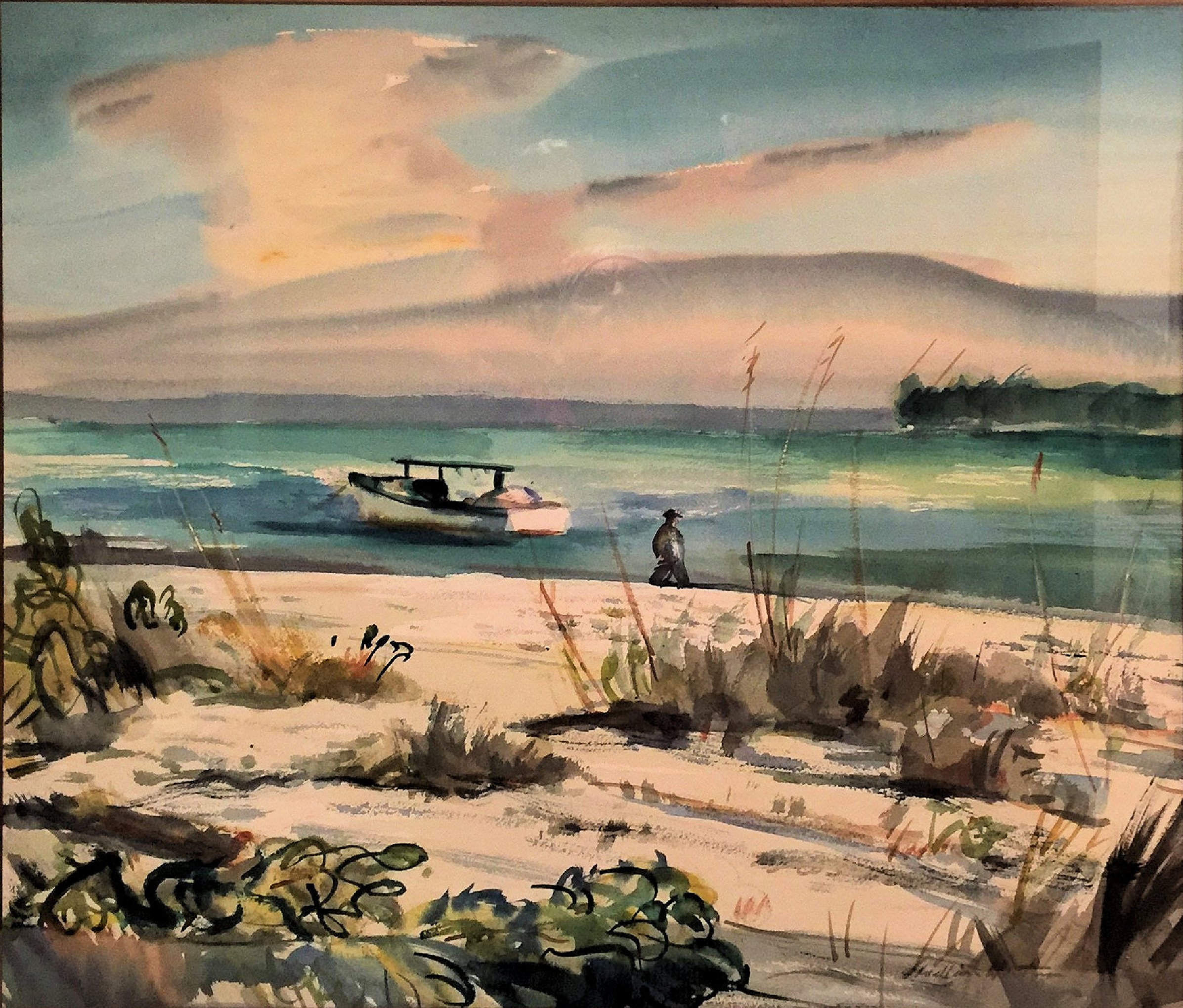
Artwork by William Hartman
Beaux arts ball
late 1940’s-early 1960’s
The Sarasota Beaux Arts Ball was an annual costume gala that became one of the city’s most anticipated social events from the late 1940s into the early 1960s, drawing crowds of artists, patrons, and community members with its spectacular themes and elaborate costumes. It continued in earnest through the early ’60s before fading out later that decade, with occasional revivals in the ’70s and ’80s.
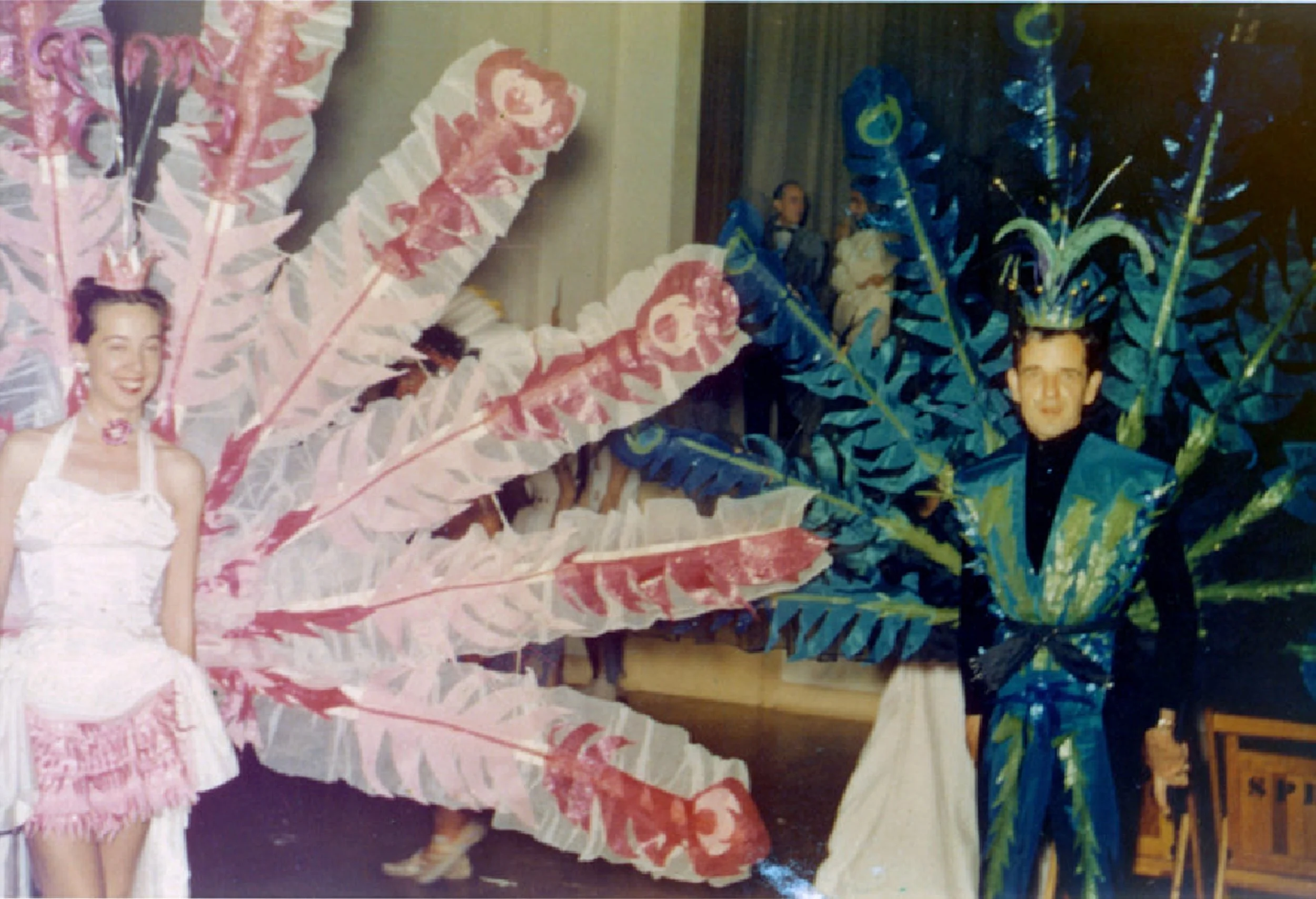
BEAUX ARTS BALL EVENT
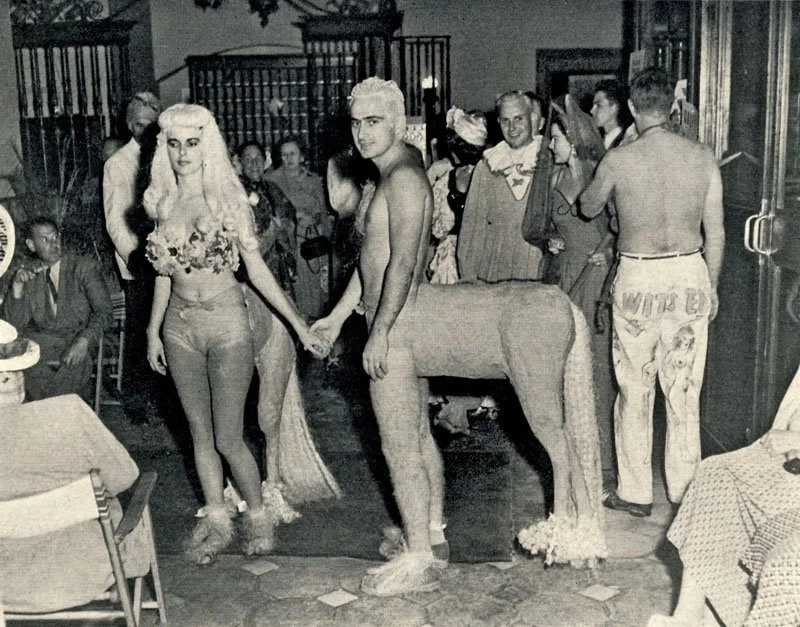
Beaux Arts Ball event
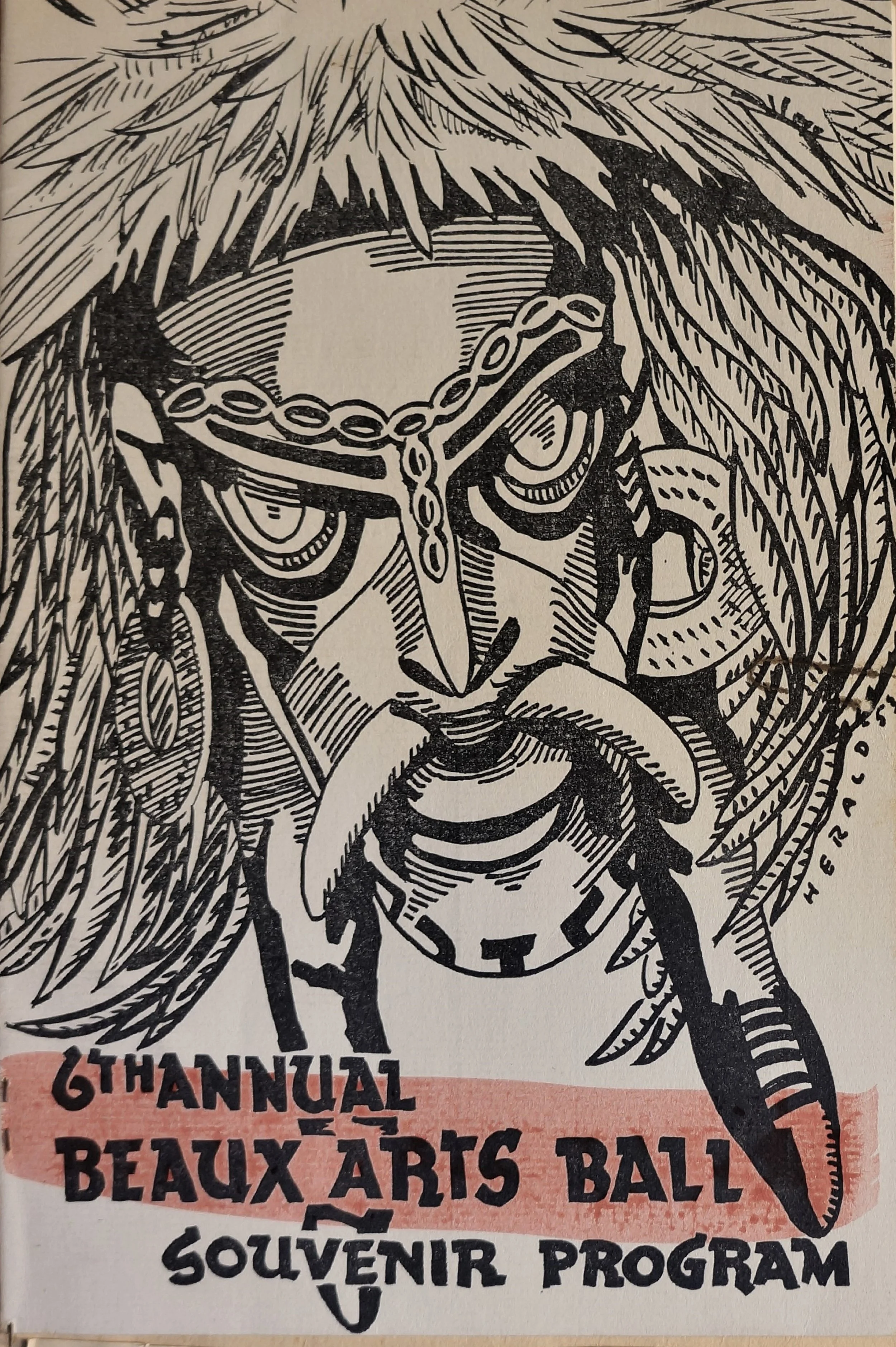
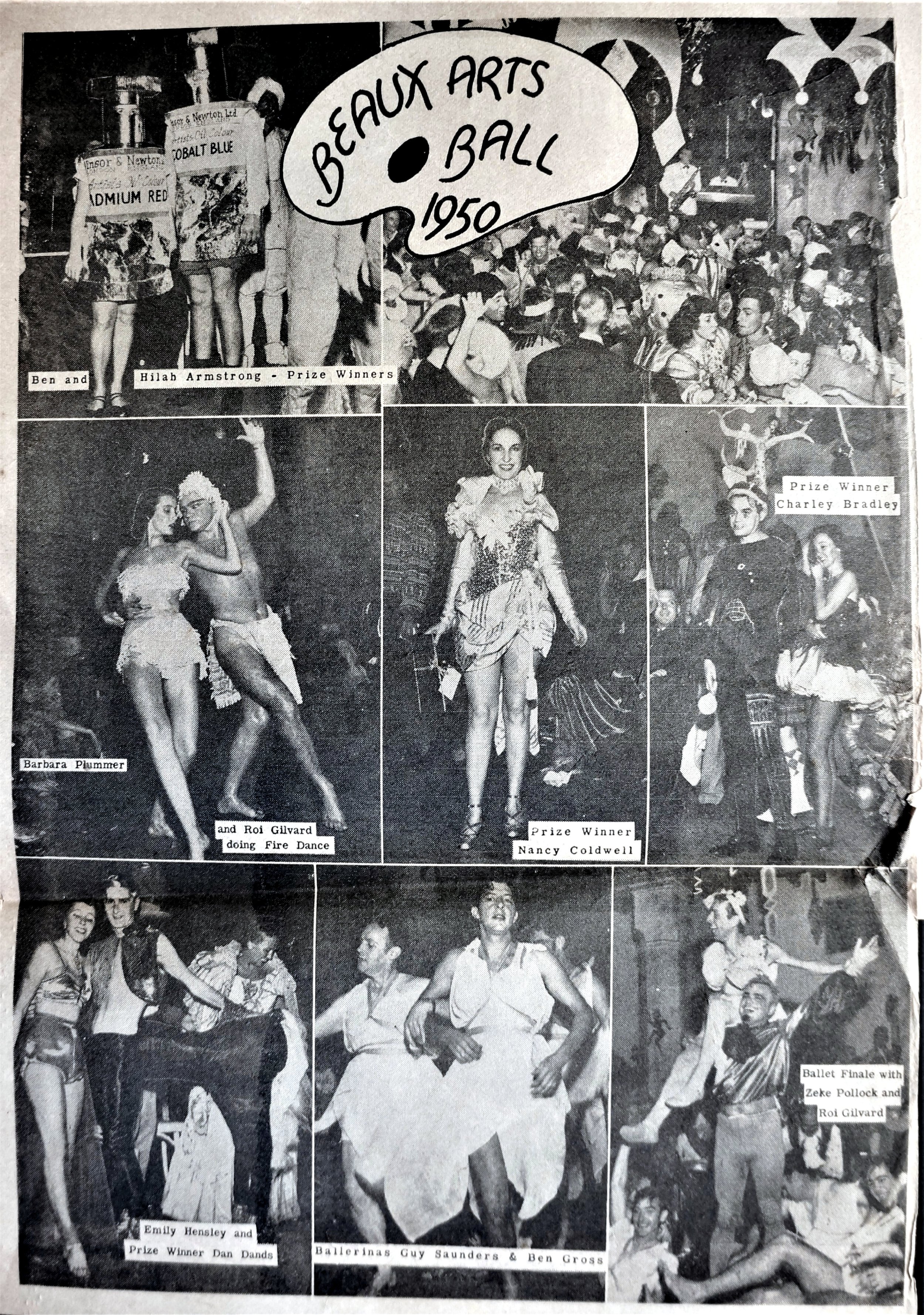
Beaux Arts Ball spread
Beaux Arts Ball poster
1953-active today
the Petticoat Painters
In 1953, artist and gallery owner Marty Hartman, angered because she felt that women artists were being slighted by male paternalism organized a showing of woman artists. The following year she did it again and joined the group which then named itself the Petticoat Painters. The organization is still active and among the oldest women's art cooperatives in the nation.
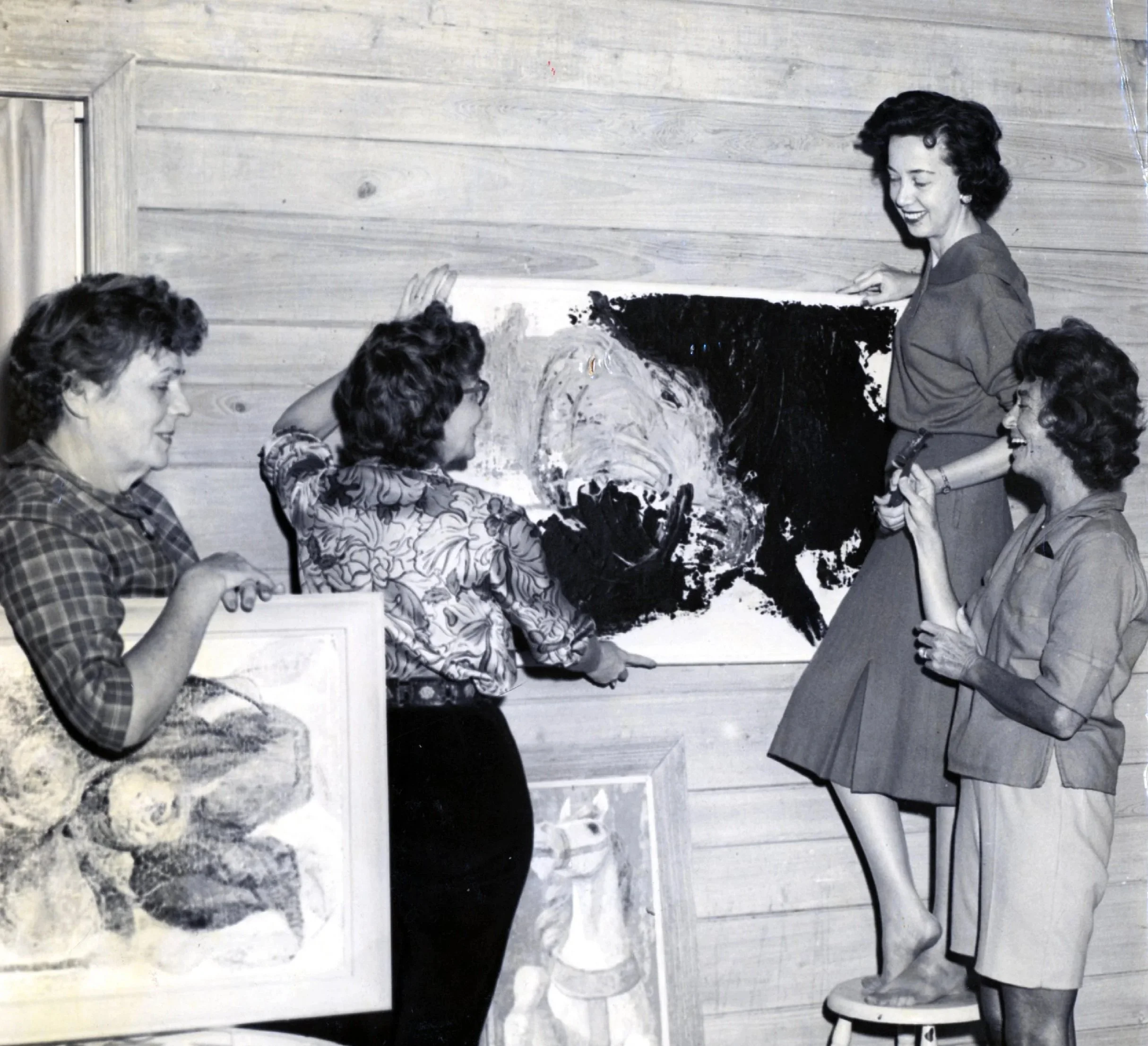
The Petticoat Painters
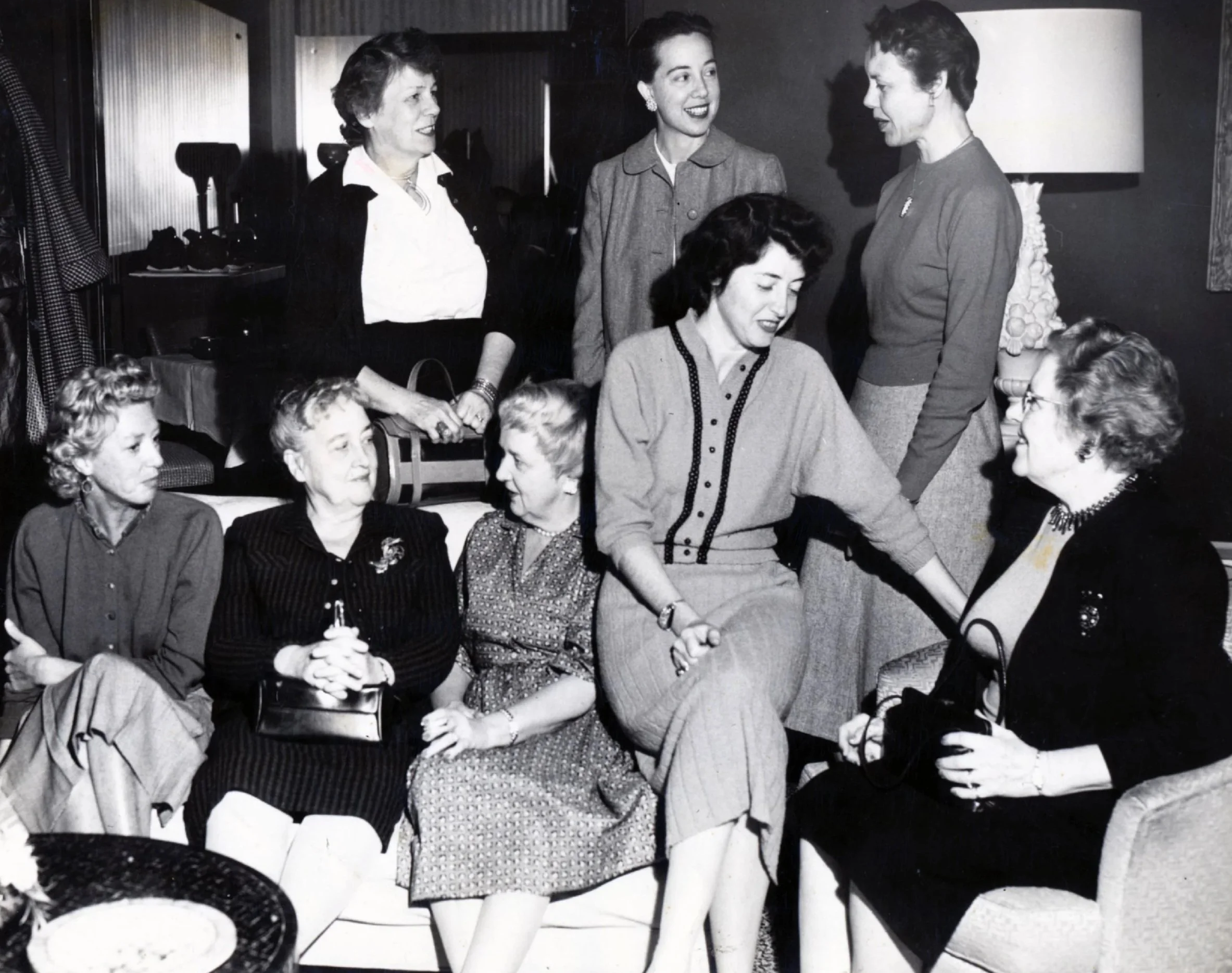
The Petticoat Painters
Artist Christmas Cards
1945-1965
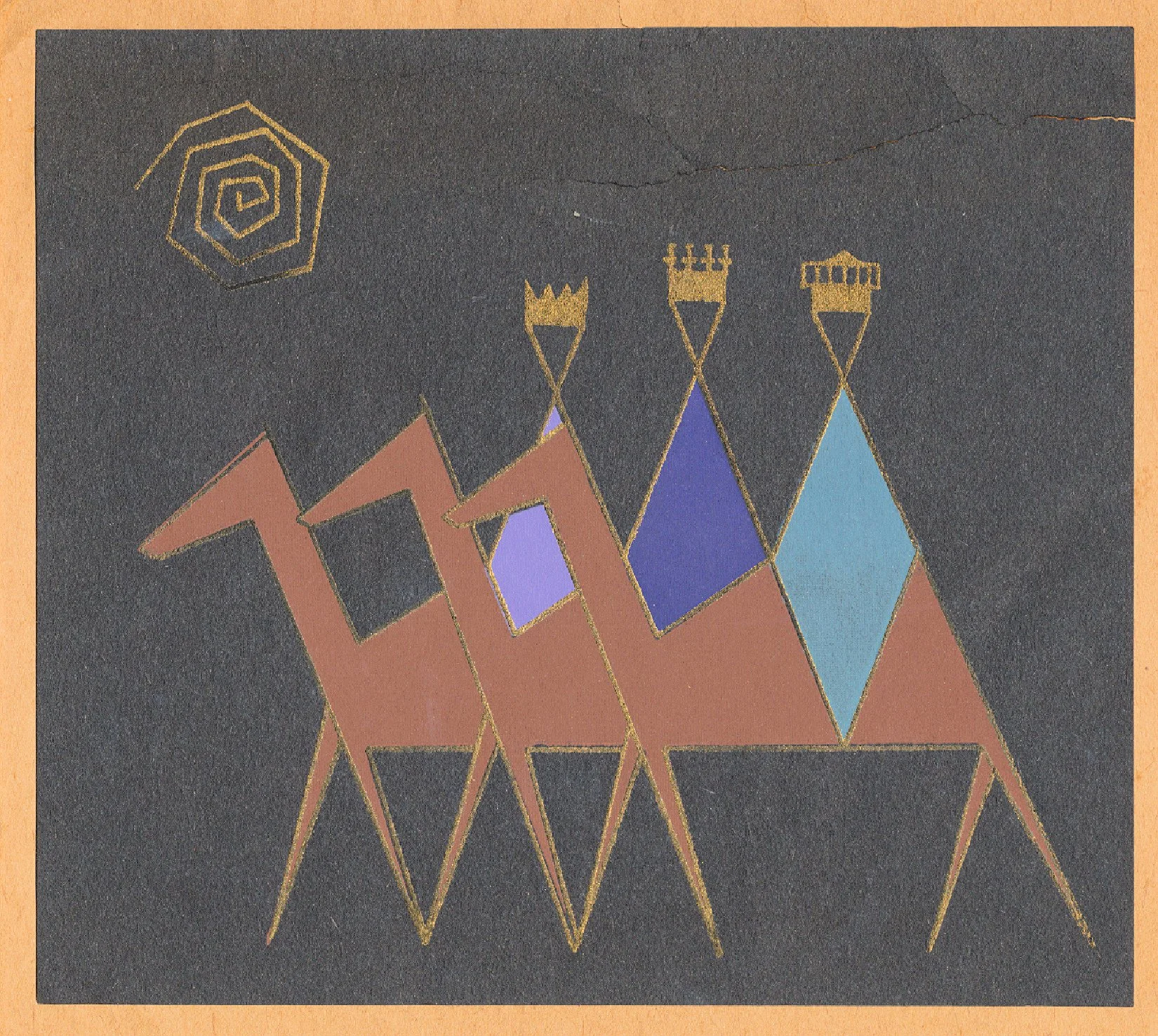
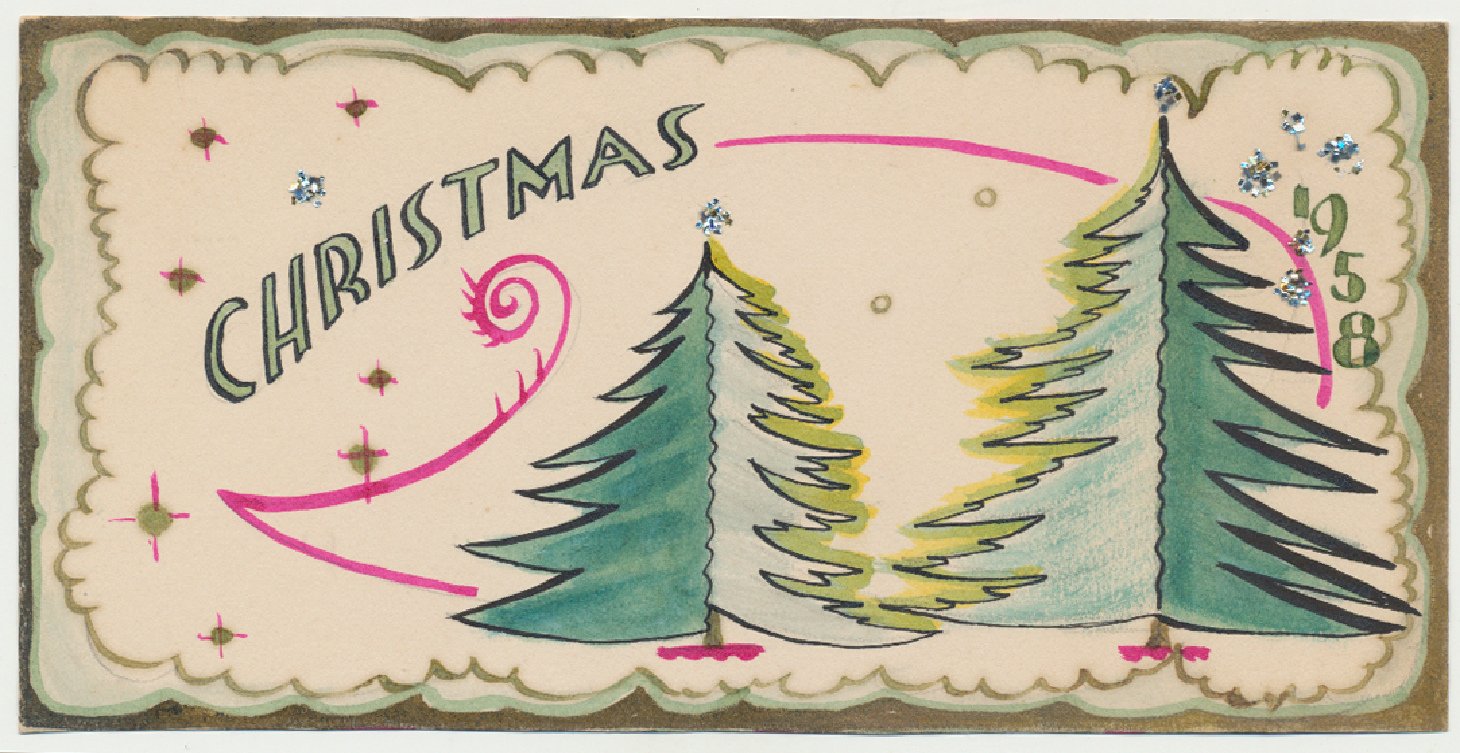
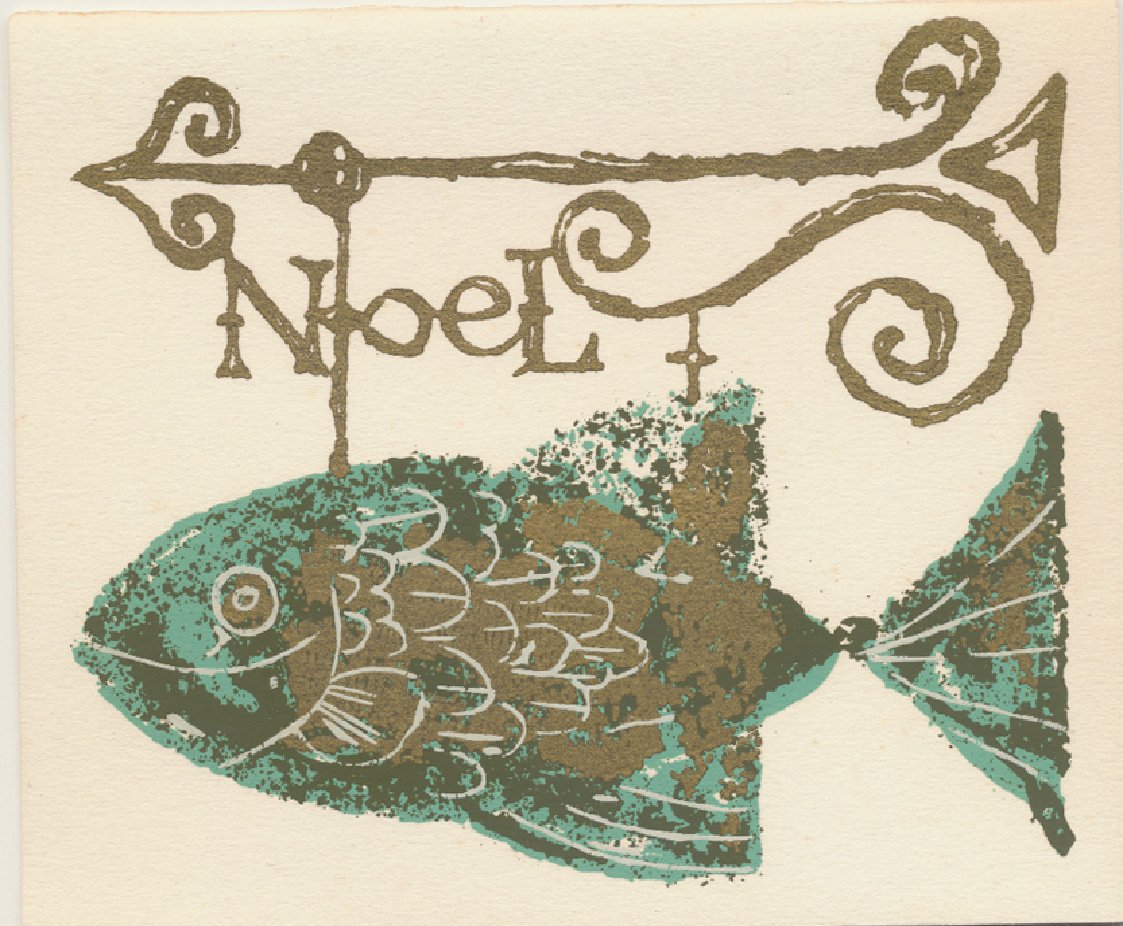
The Sarasota Colony artists from 1945 to 1965 formed a close-knit creative community, bound by both professional and personal relationships. Around the holiday season, many exchanged handmade Christmas cards, treating these small works as intimate extensions of their artistic practice. On view is a selection of these cards, which reveal the time, care, and individuality invested in each one, expressing not only affection among the artists themselves but also a warm regard for one another’s families.
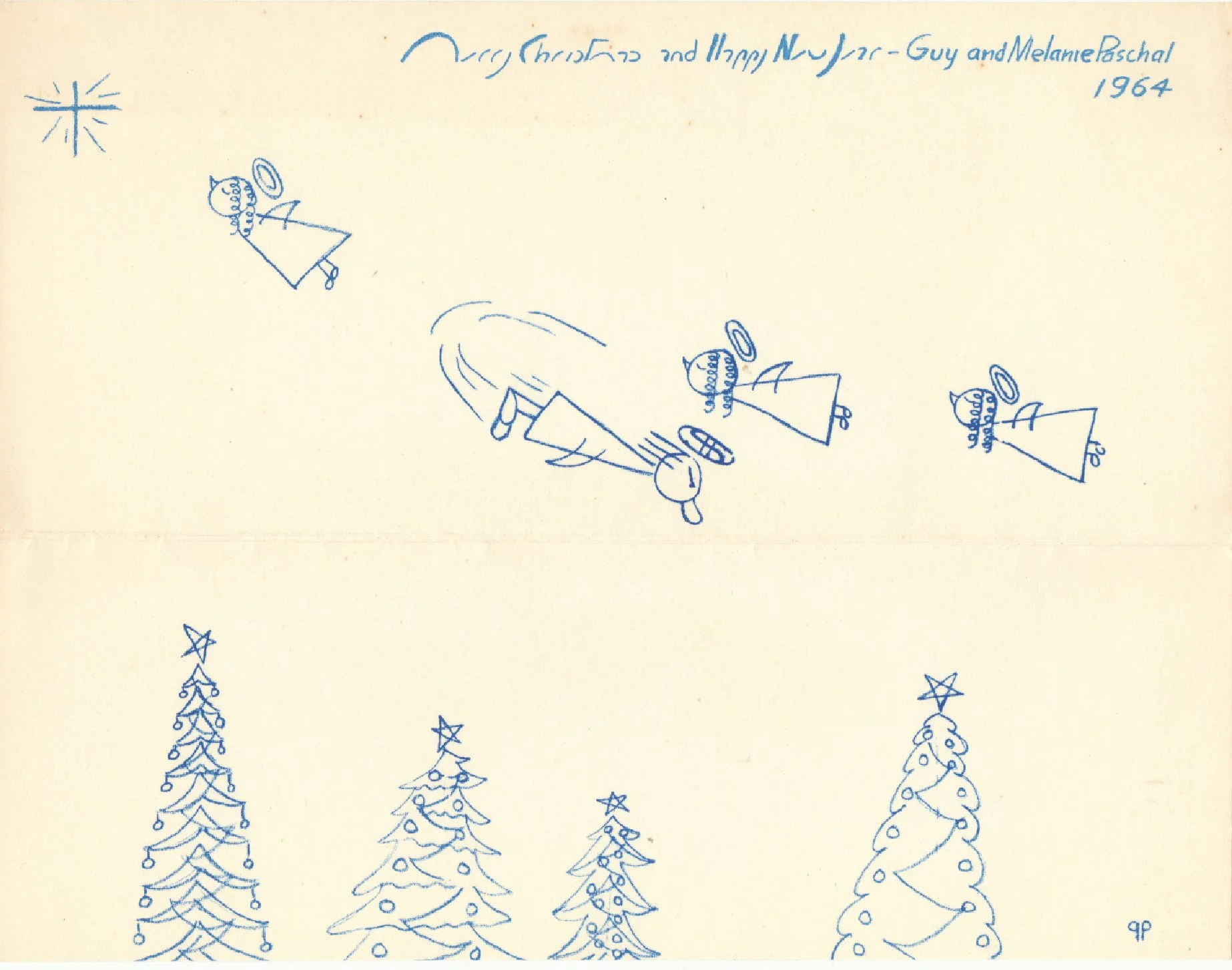
Guy and Melanie Paschal
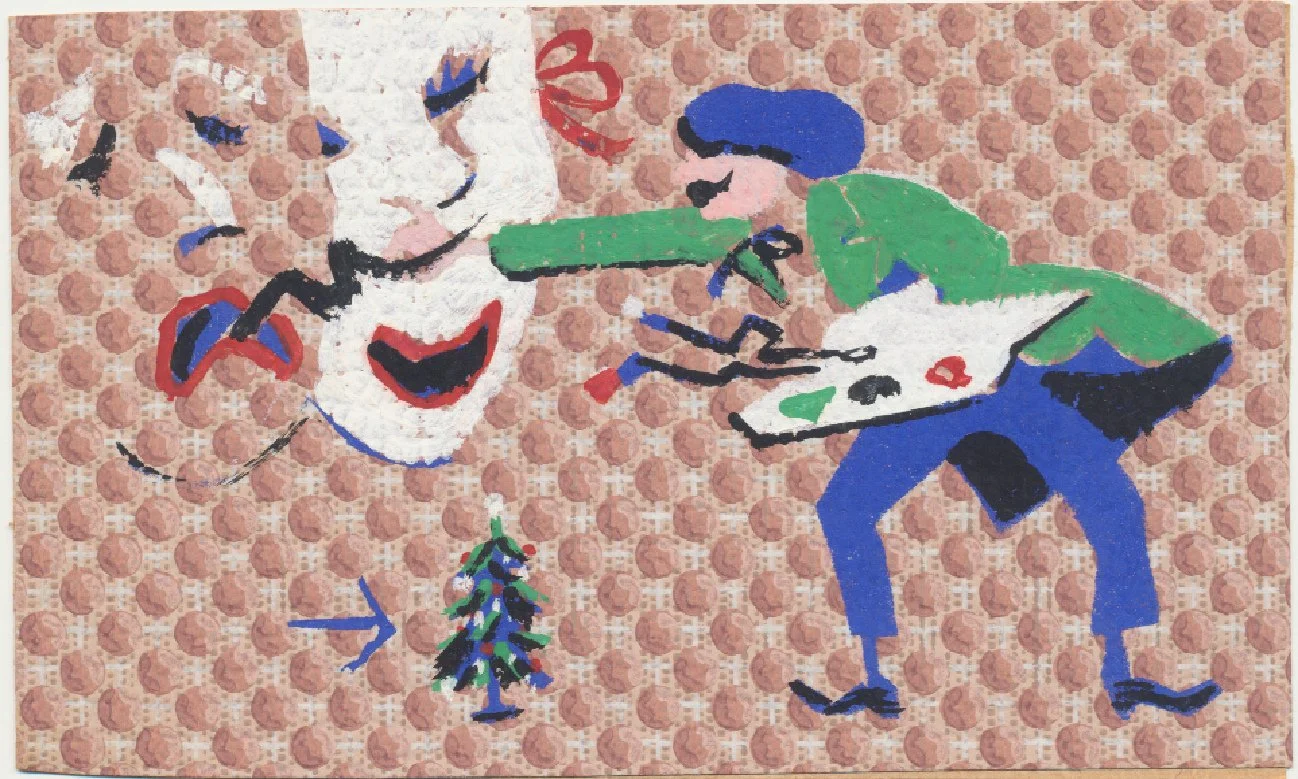
Wilfrid Berg
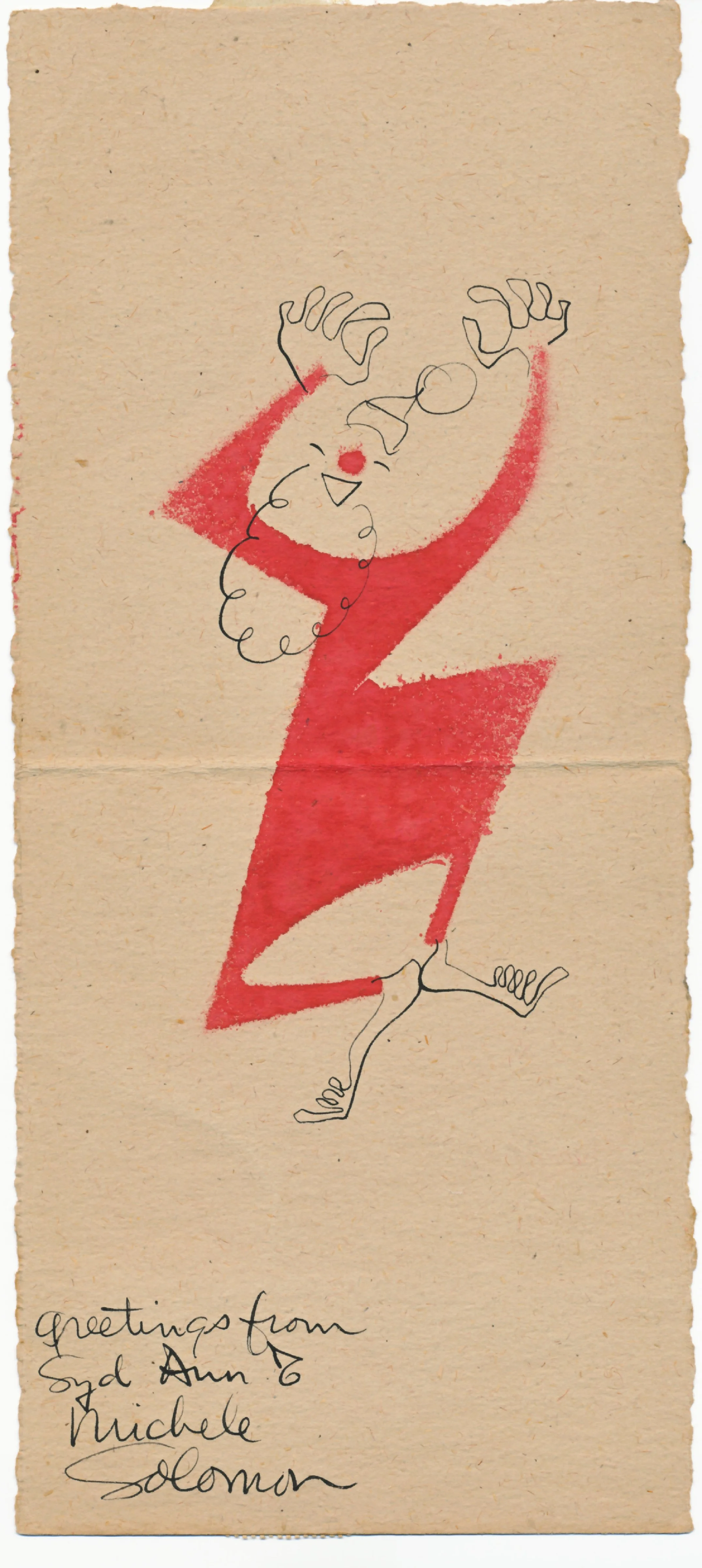
the Solomons
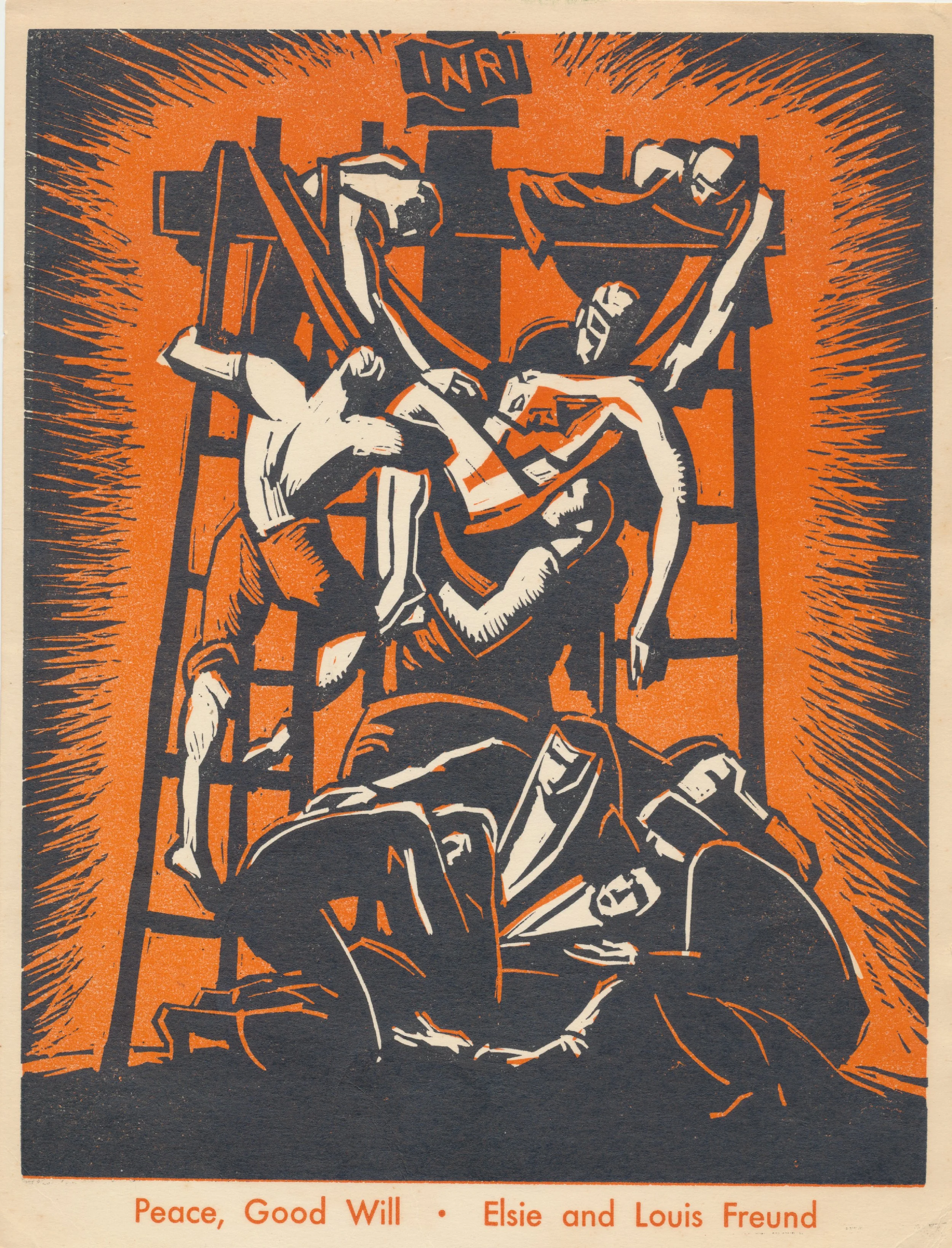
Elsie and Louis Freund
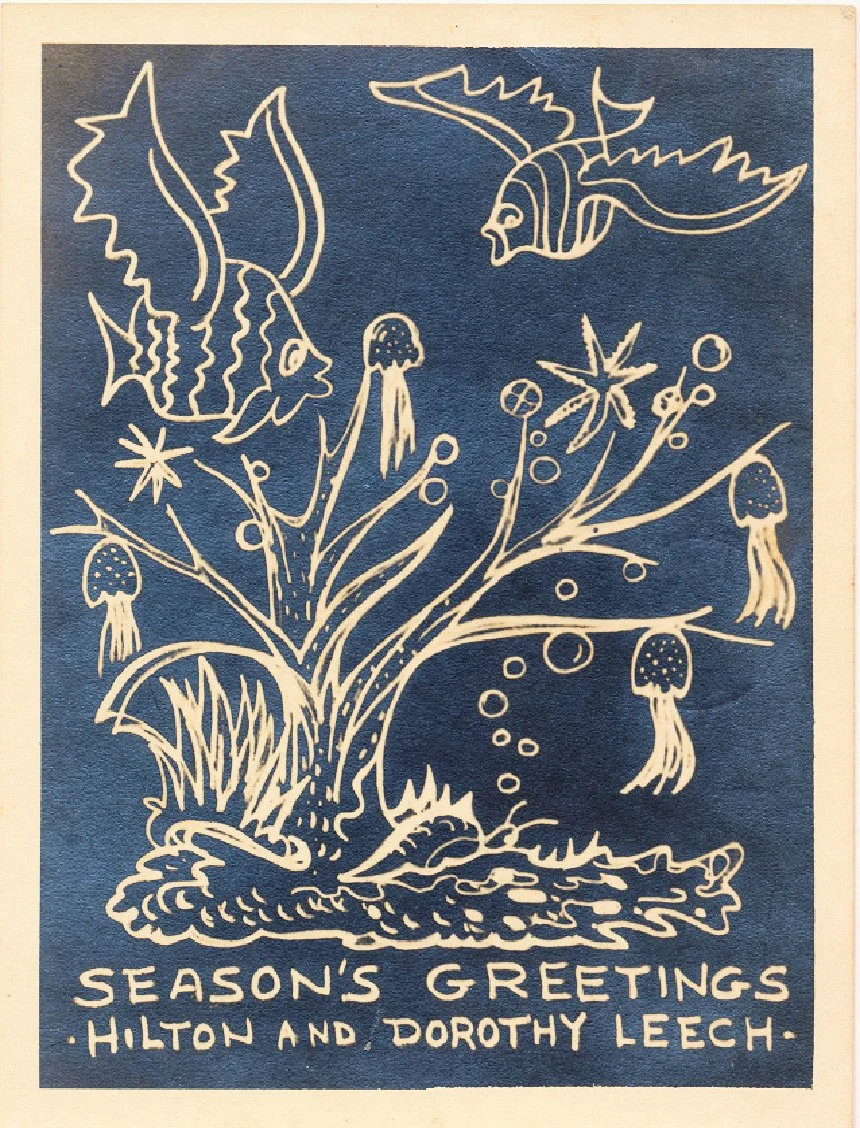
Hilton and Dorothy Leech
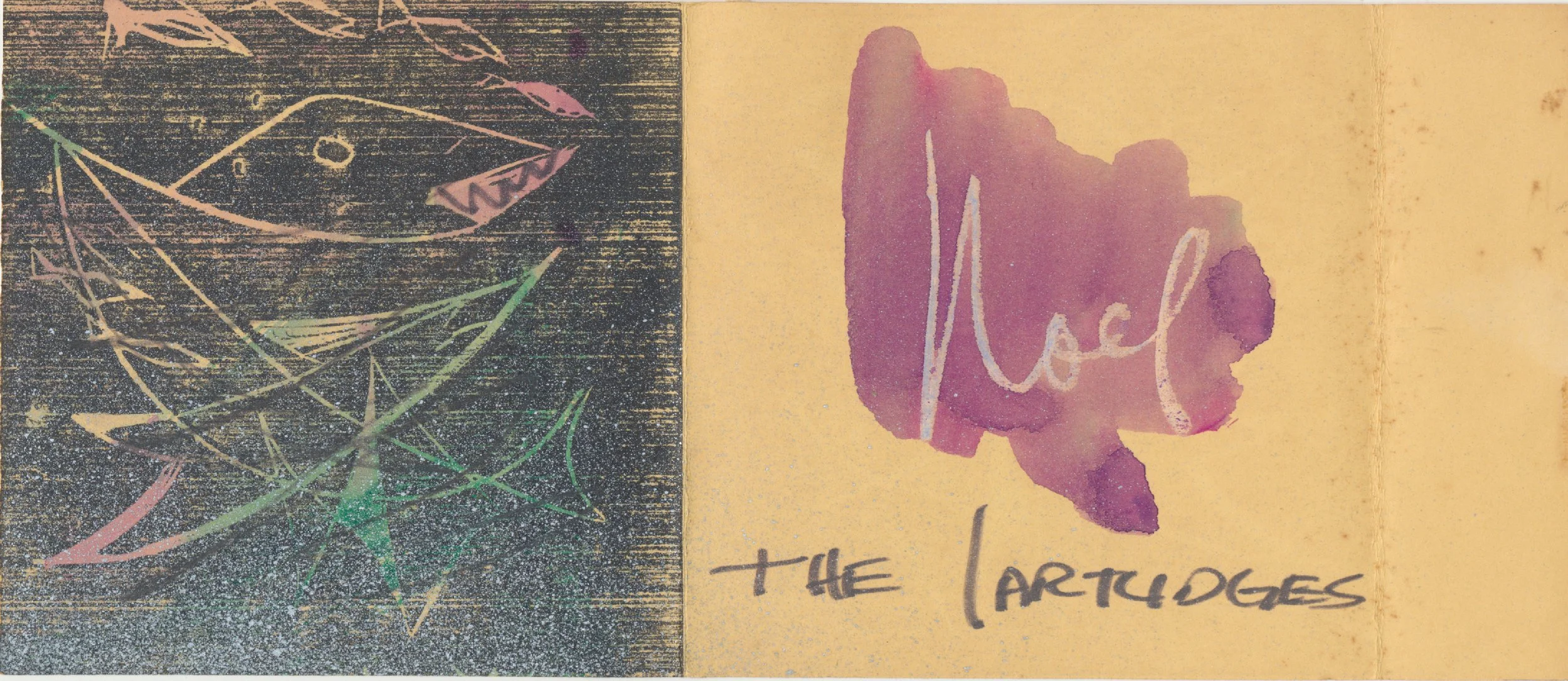
The Cartlidges
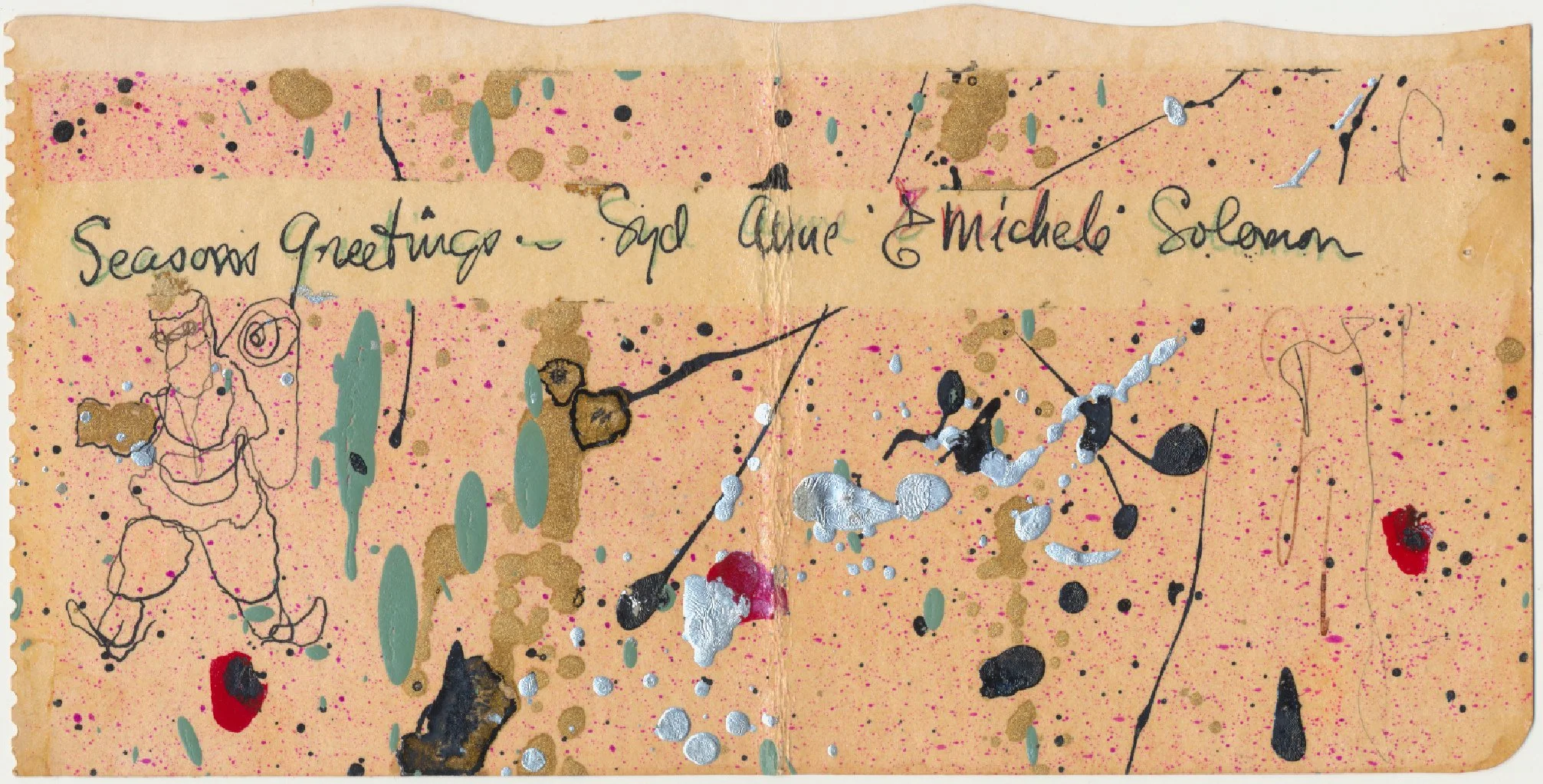
Syd and Annie Solomon
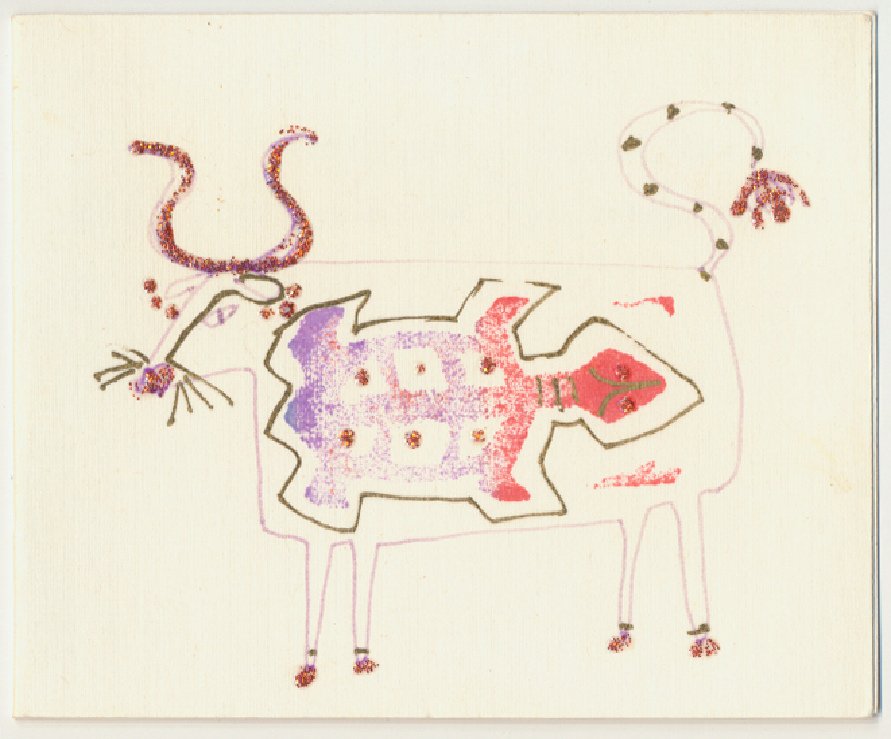
Susann Larson
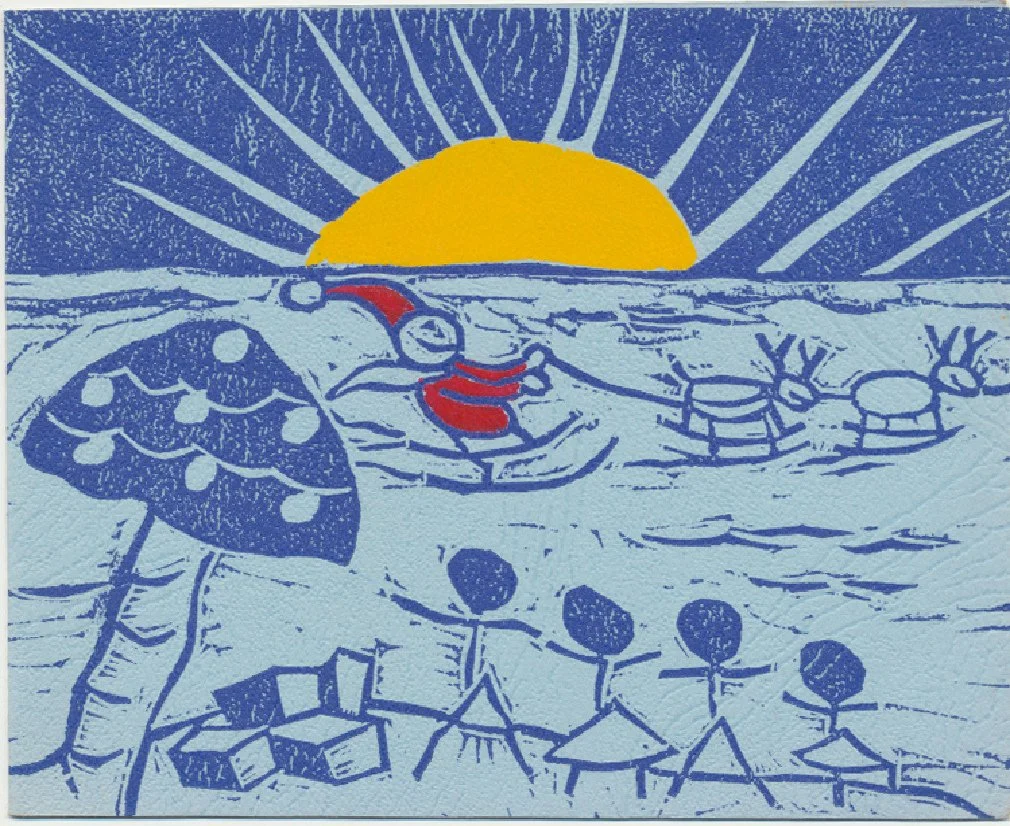
The Yagers
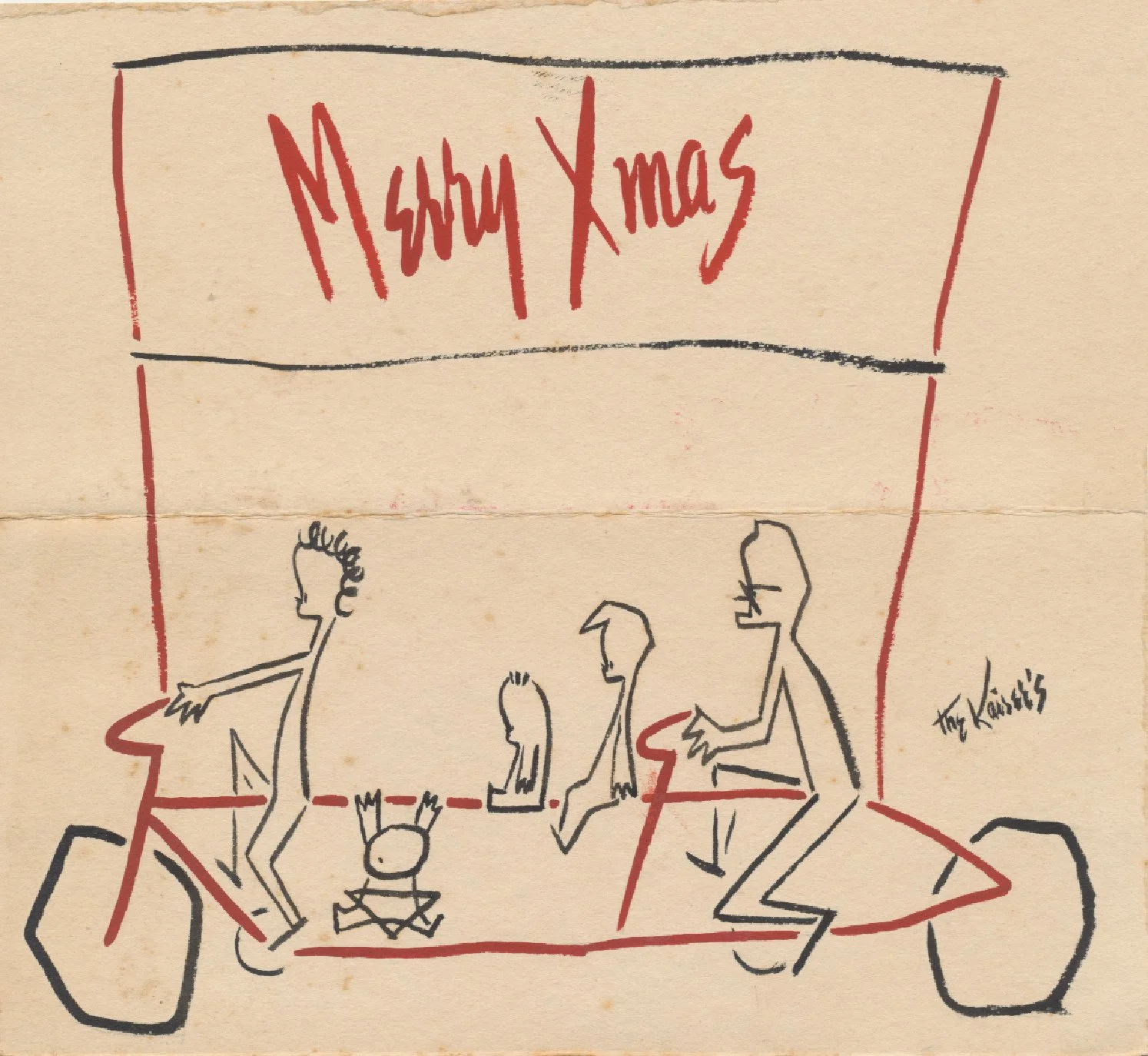
The Kaisers
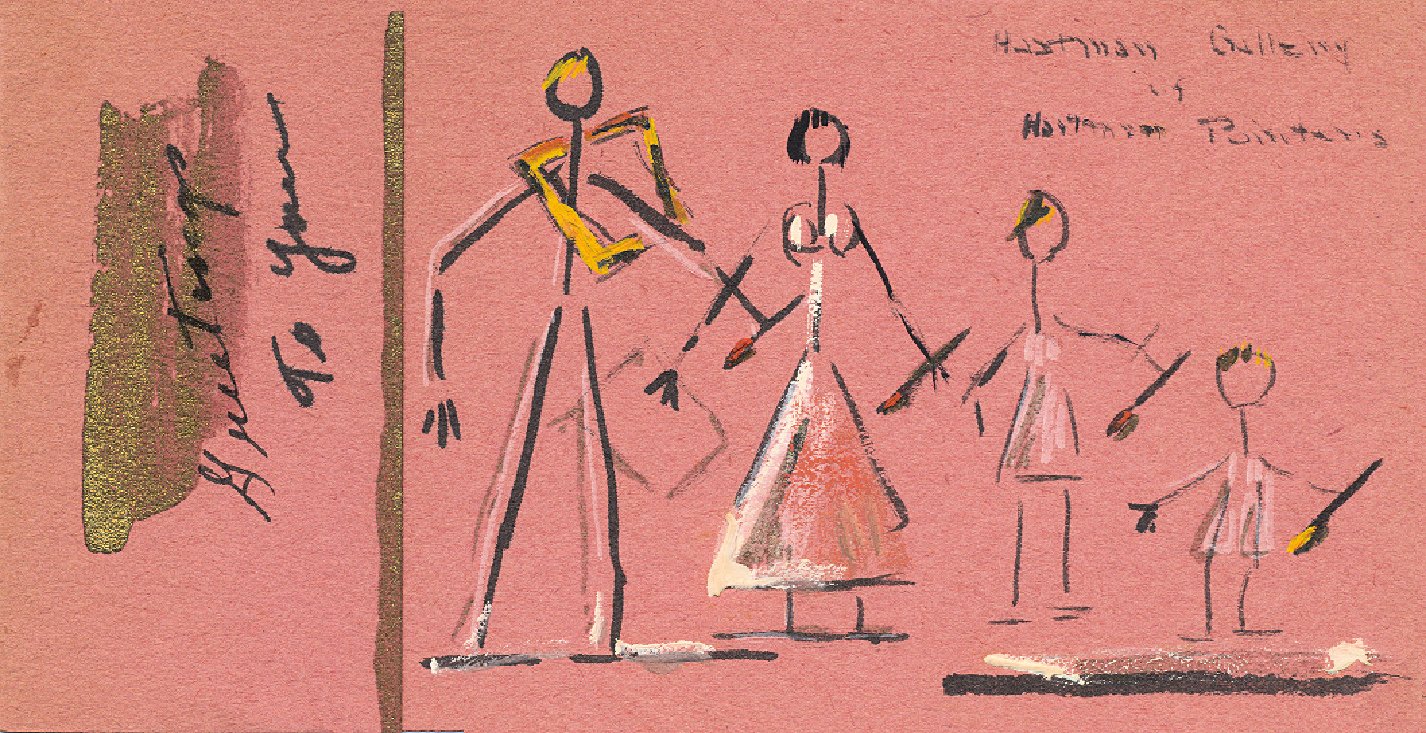
the Hartmans
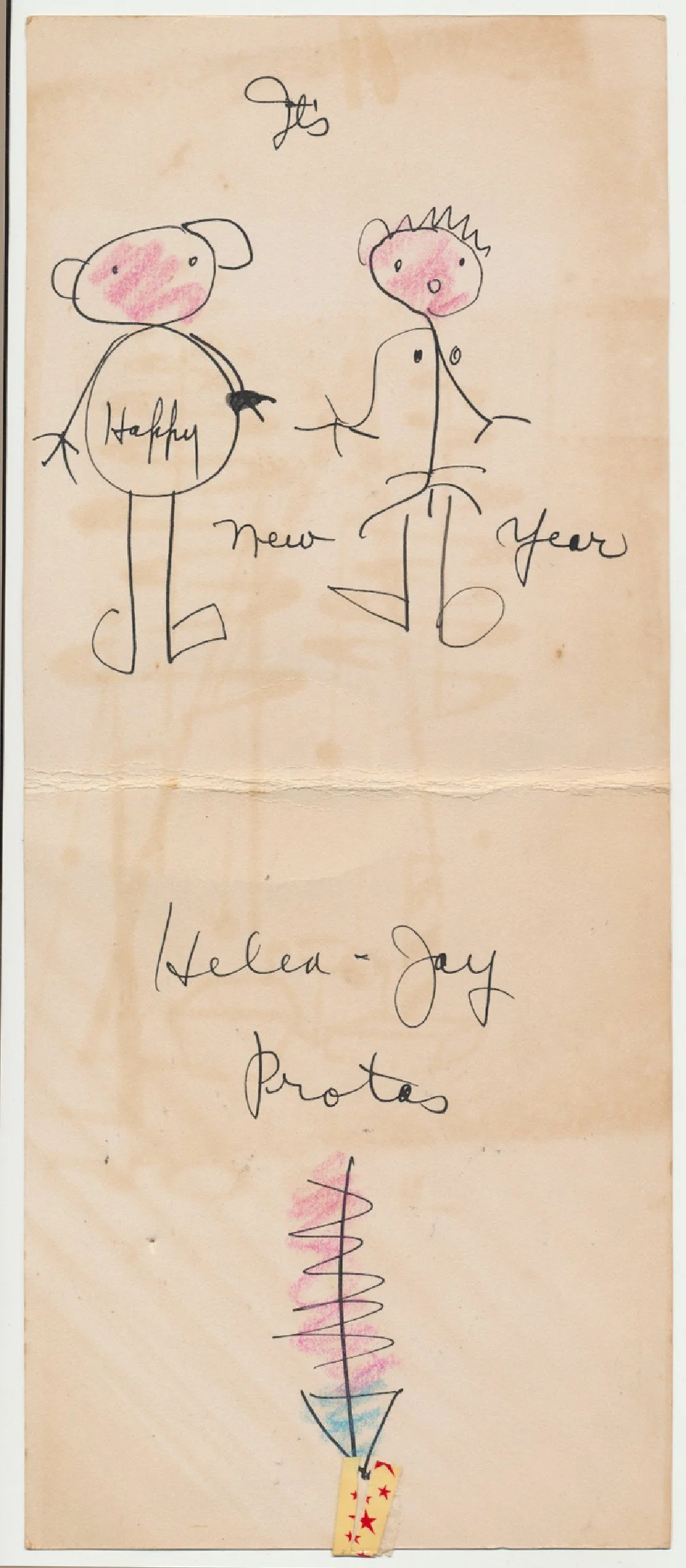
Helen and Jay Protas
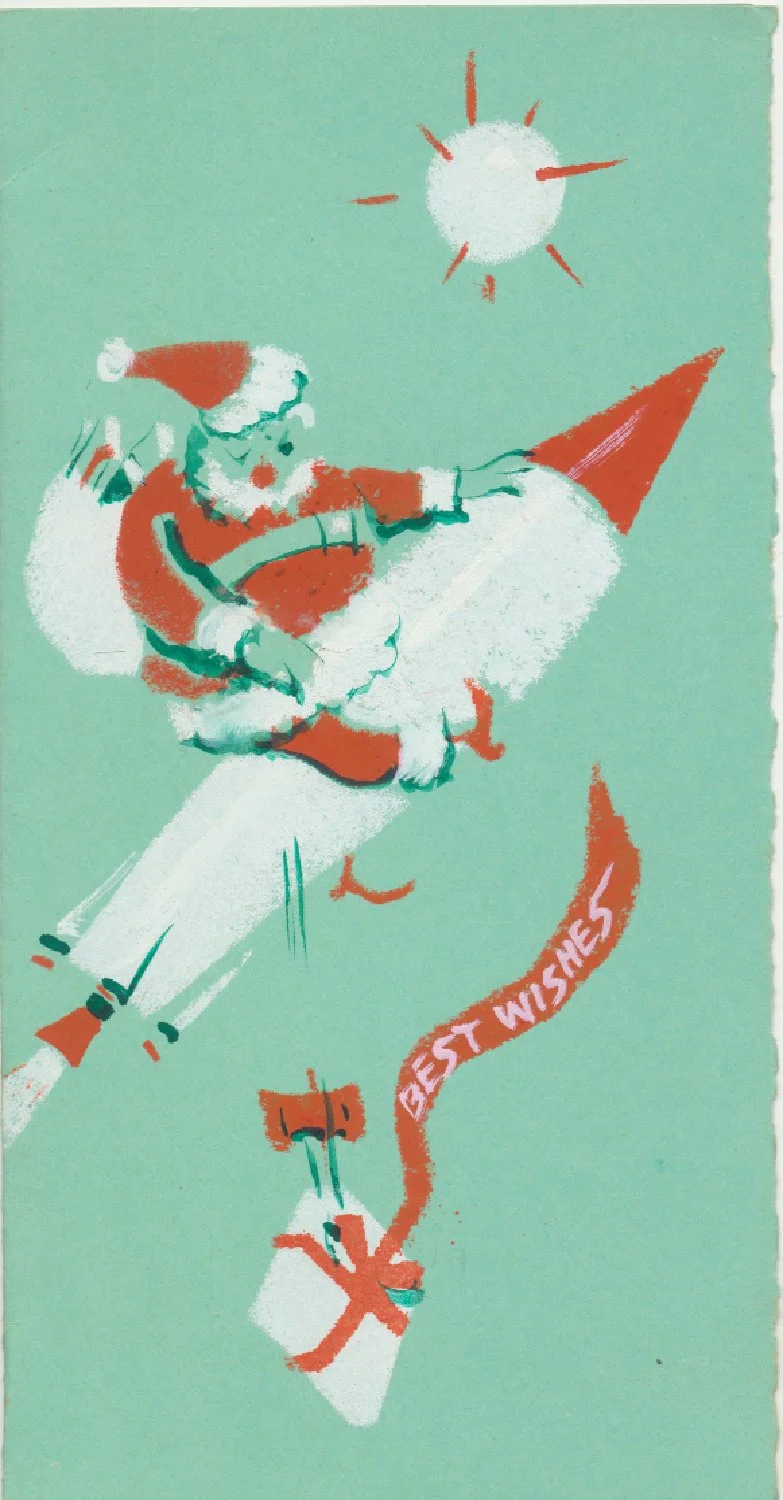
Wilfrid Berg
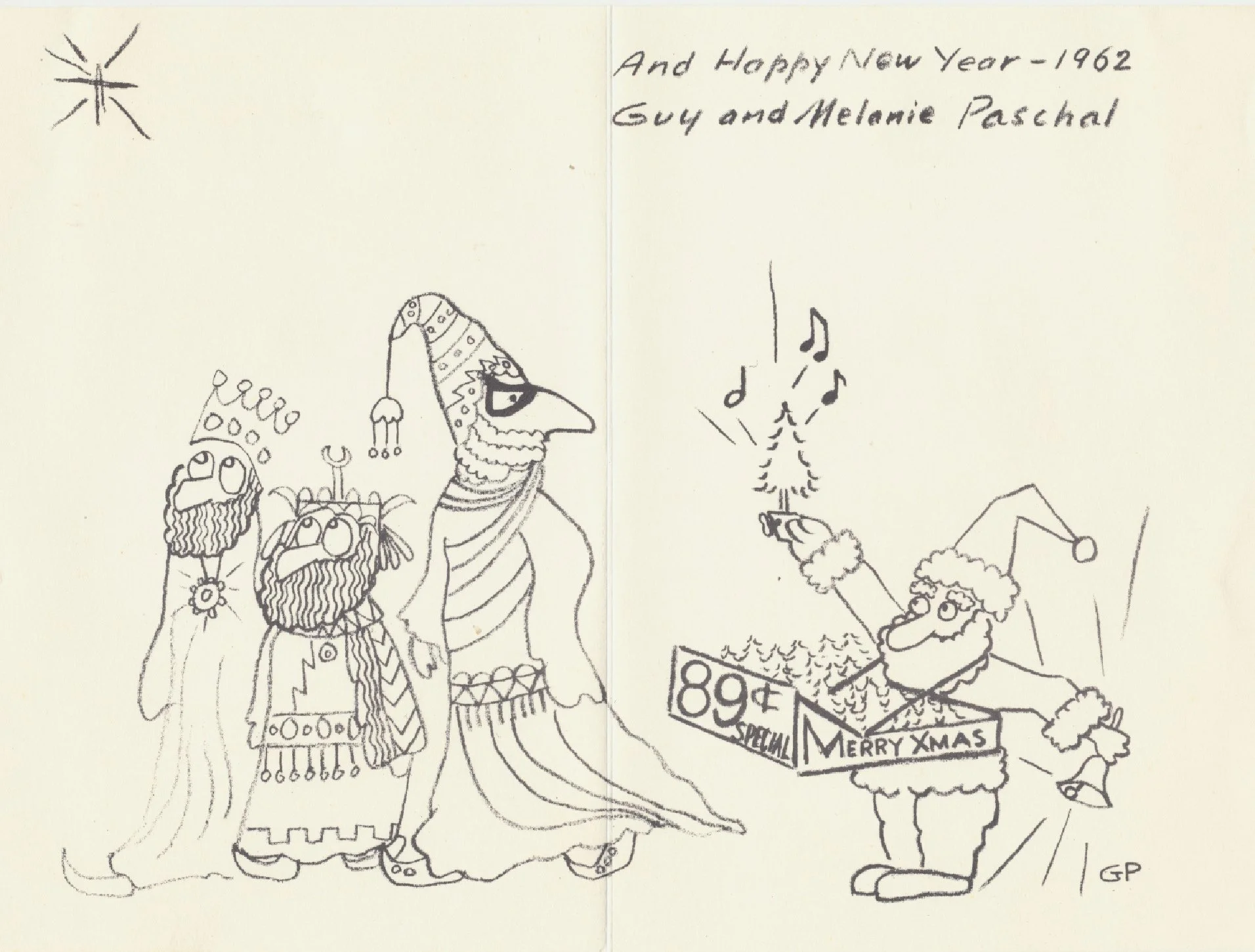
A hand-drawn illustration of three wise men, one in a crown, another in a patterned turban and robe, and the third wearing glasses and a Santa hat, with a Christmas gift box labeled "Merry Xmas" and surrounded by music notes, celebrating the New Year 1962.
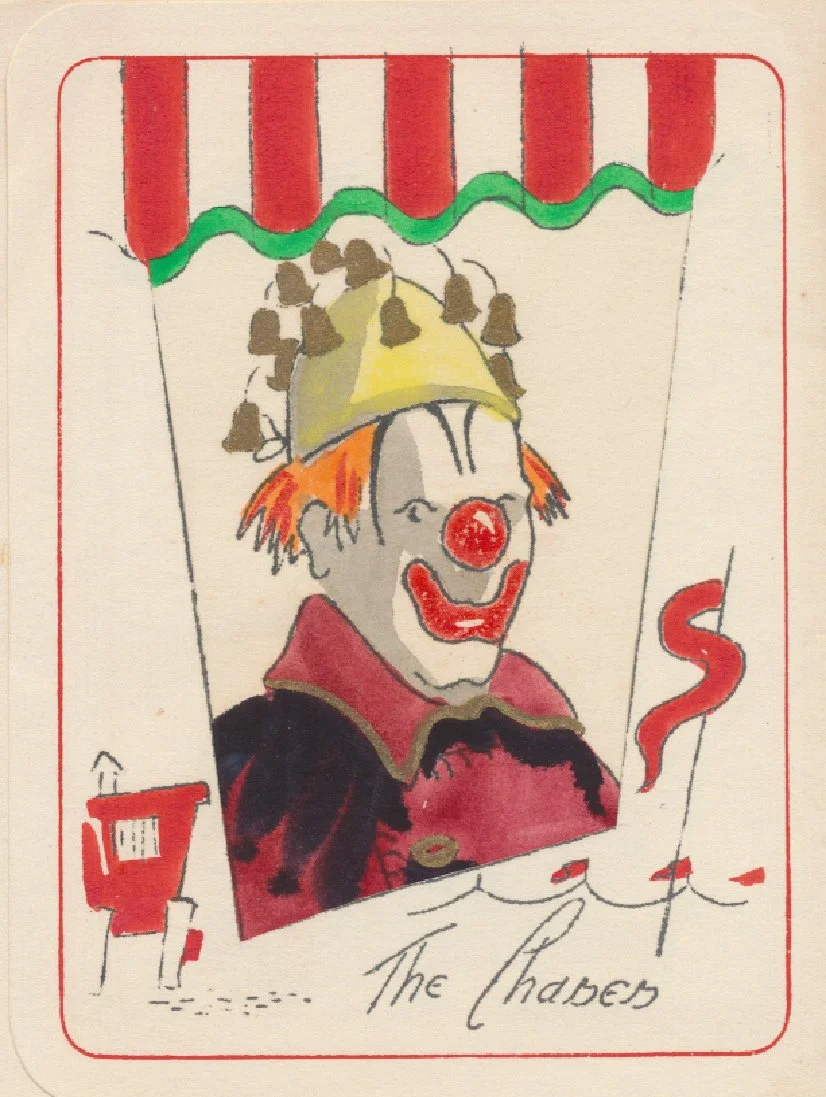
Drawing of a clown with orange hair, red nose, and red lips, wearing a yellow hat, under a red and white striped canopy, with a red box and a red candle with a wavy flame nearby, and the text 'The Shadows' written at the bottom.
???
???
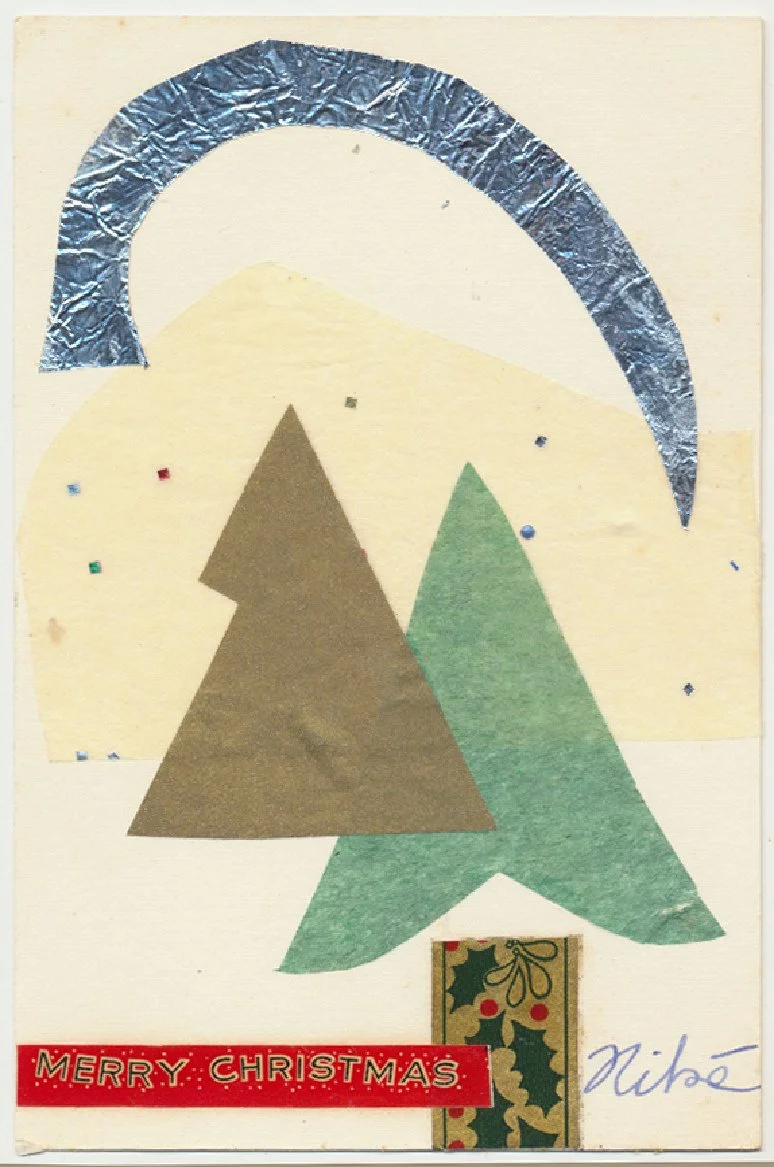
Nike Parton
Andy Sanders